
 0 ITEMS IN CART

LAST CALL FOR OUR NEW YEAR'S PROMO!
01/27/17 — Heydon Hatcher
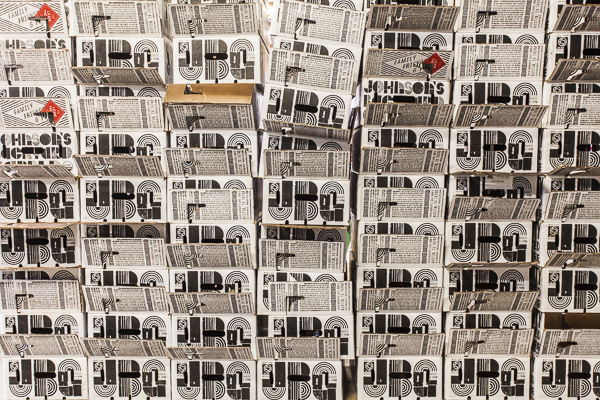
We are approaching the end of January, can you believe it? If you are still searching for ways to ameliorate your overall well-being, consider joining our CSA! In case you hadn't caught it yet, we are serving up an unbeatable promotion right now... If you are a new customer or have been taking a hiatus, sign up now through the end of January and get your first box free! Yep, you heard us right, FREE! It’s a great way to integrate fresh, organic produce into your daily regimen. It’s the perfect nudge you’ve been waiting for, so don’t dally, the offer ends January 31st! To join (or rejoin) the CSA click here and use the promo code: StartFresh or call the farm at 512.386.5273.

If free organic veggies aren’t convincing enough, our CSA community should do the talking. Since they know best, we reached out to some of our most loyal and enduring CSA customers for their opinions on what JBG Community Supported Agriculture means to them. Check out the testimonials here. Getting to know this inimitable and awesome group of folks from all walks of life is indubitably one of the biggest perks of joining the farm. At our many community events, we can gather and connect with fellow Central Texans, oftentimes out in the fields where we grow our produce. Speaking of gatherings, we have a handful of exciting events queued up for Spring:
- The best Transplant Sale yet during the first three weekends in March.
- A gardening workshop with our Greenhouse Manager, Brandon in March.
- Our Spring Potluck and Garden Gallop on April 1!
- And so much more! Stay tuned for a complete listing of upcoming events in the weeks to come, we are fine-tuning all the details.
We pride ourselves on persistently innovating and challenging ourselves with new ideas at JBG. We want each year to be better than the last, especially with regard to our crop offerings. We try to offer a varied and vast menu of fruits, veggies, and herbs for you to experiment with in the kitchen, and boy, do we have some exciting new surprises for your plates this year! We can't wait to share.
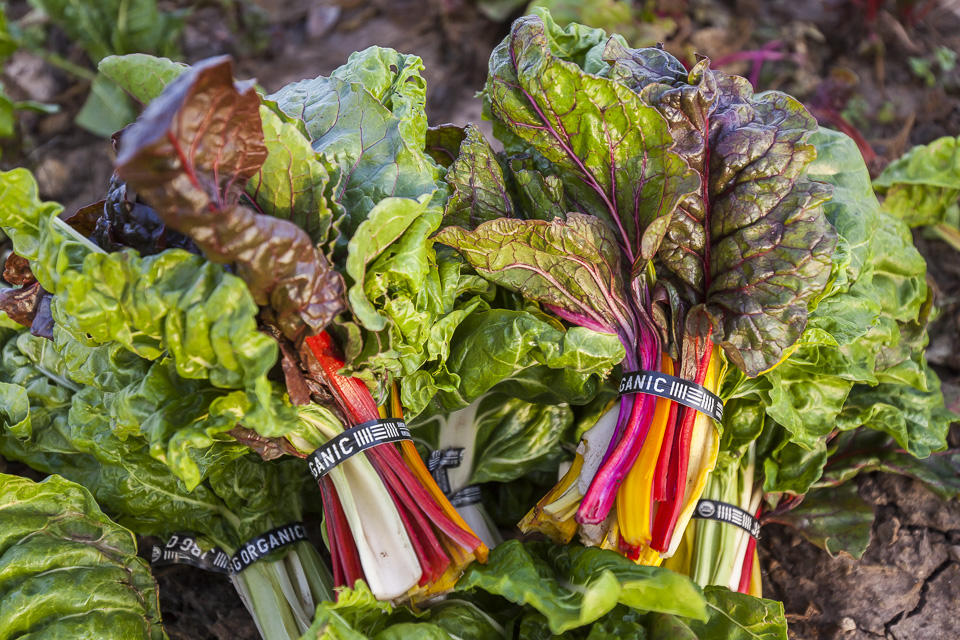 Rainbow. Photo by Scott David Gordon.
WEEK 4 IN PHOTOS
01/27/17 — Heydon Hatcher
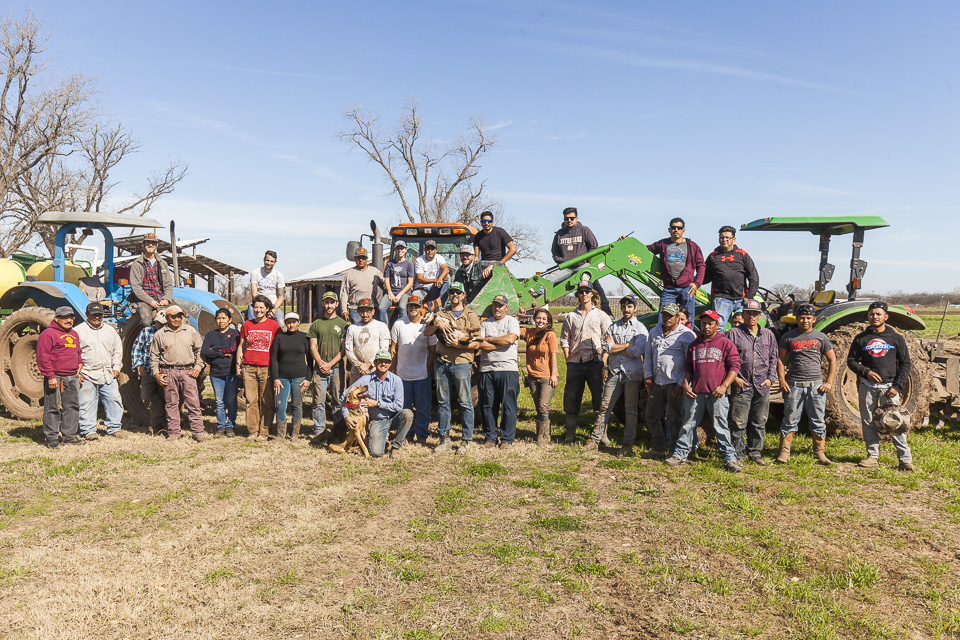
Spring planting is underway! Collards, curly kale, carrots, beets, broccoli, cauliflower, turnips, cabbage, onions, cilantro, bok choy, lettuce, pea tendrils and various other greens are all going in (hopefully) this week. As you can see above, we finally took an updated group photo of the farm crew! Yahoo!
We're potting up a few thousand fig, lemongrass, grape and pomegranate transplants, and Brandon, our greenhouse manager, seeded close to 50 heirloom and specialty tomato, 20 different herbs, and numerous pepper varieties for the spring transplant sale. Get excited! It is sure to be our best transplant sale yet.
Thanks to Scott David Gordon for another week of show-stopping farm captures.
 Farm views. Photo by Scott David Gordon.
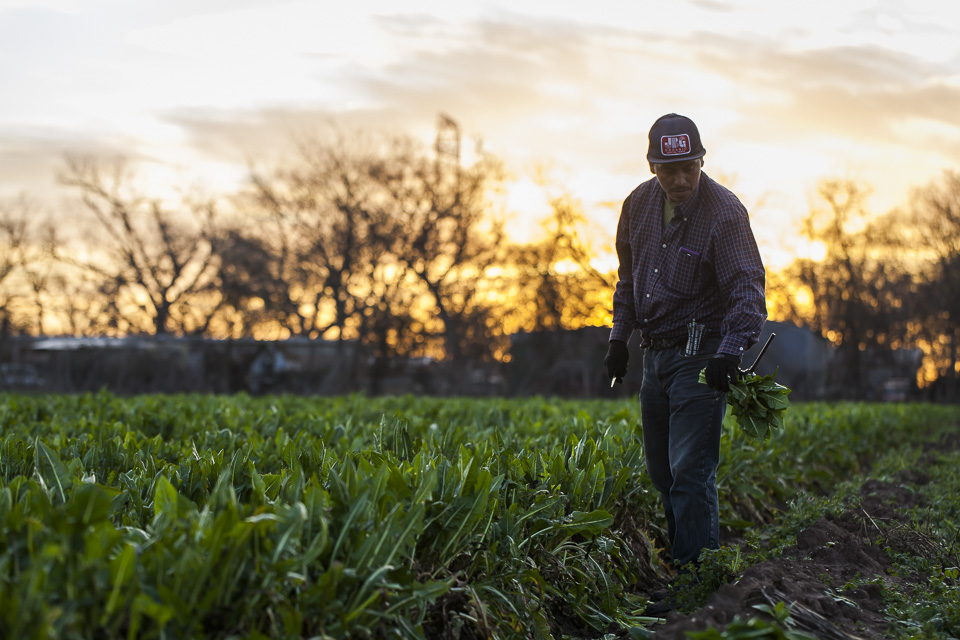 Dandelion green harvest. Photo by Scott David Gordon.
Rainbow. Photo by Scott David Gordon.
Dandelion green harvest. Photo by Scott David Gordon.
Rainbow. Photo by Scott David Gordon.
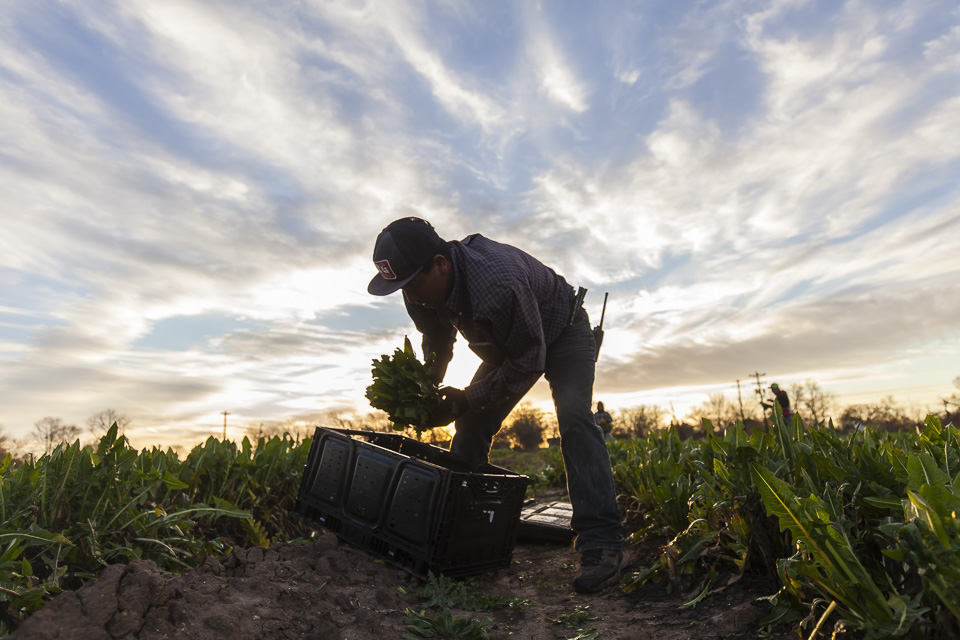 Harvest silhouette. Photo by Scott David Gordon.
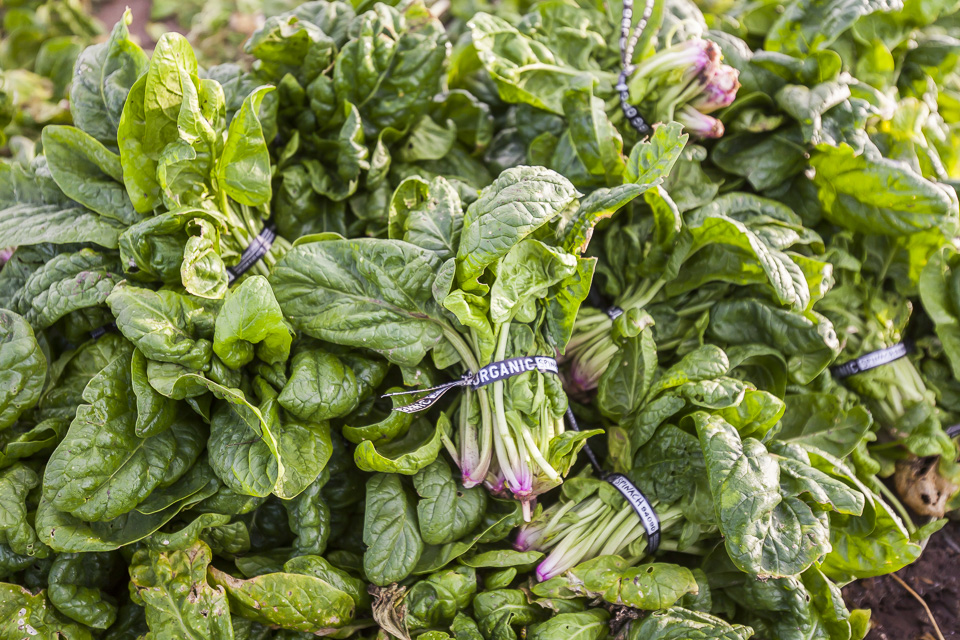 Popeye fuel. Photo by Scott David Gordon.
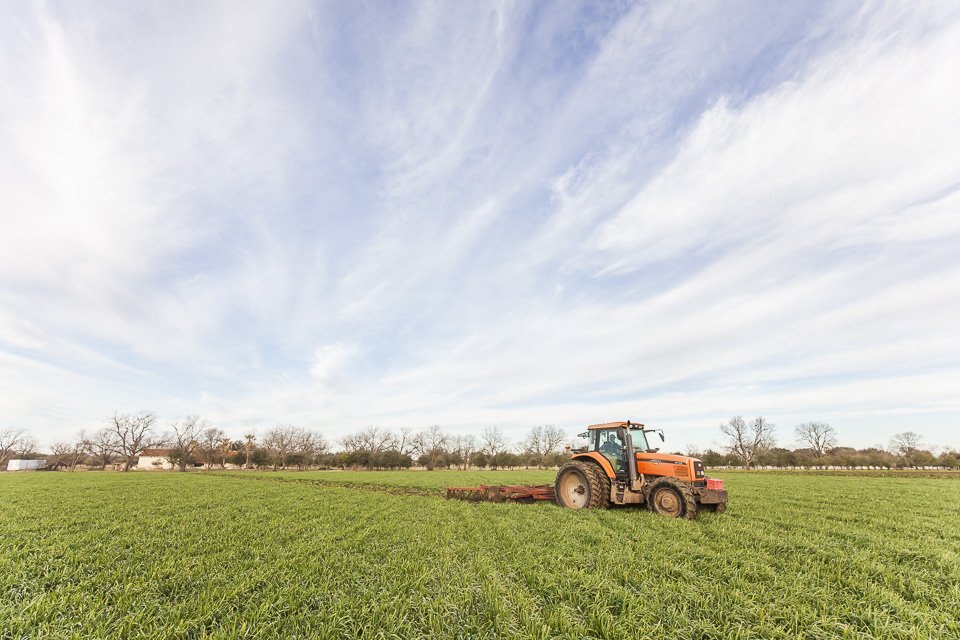 Tilling the cover crops. Photo by Scott David Gordon.
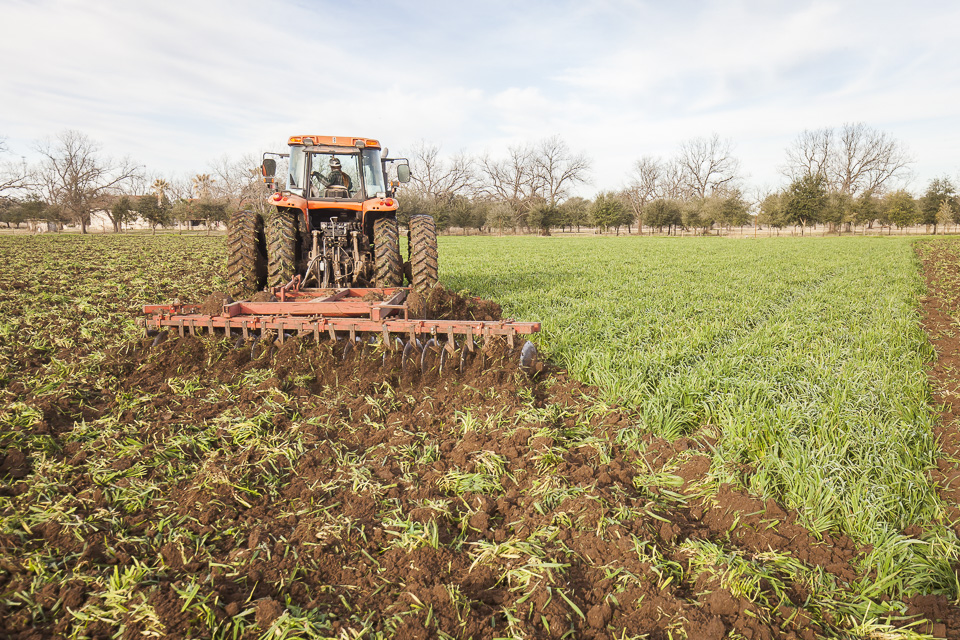 Tilling the cover crops. Photo by Scott David Gordon.
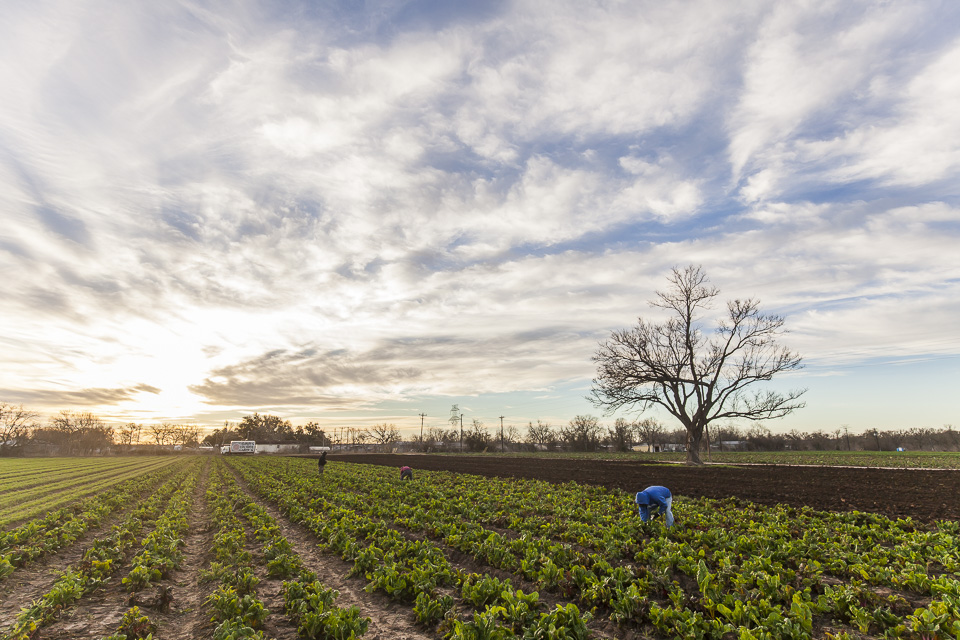 Stunning farm mornings. Photo by Scott David Gordon.
 Boot party. Photo by Scott David Gordon.
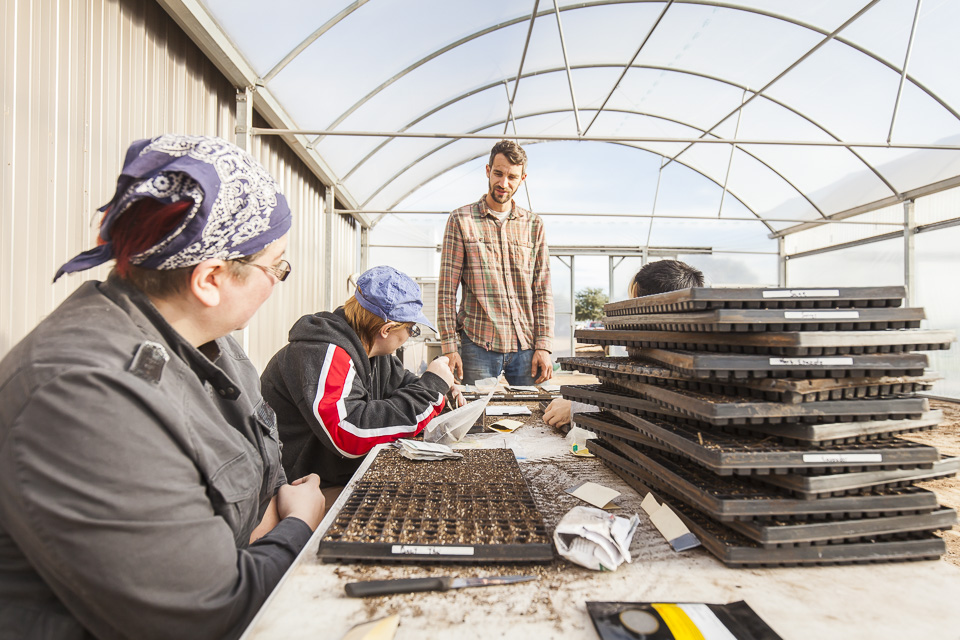 Brandon callin' the shots. Photo by Scott David Gordon.
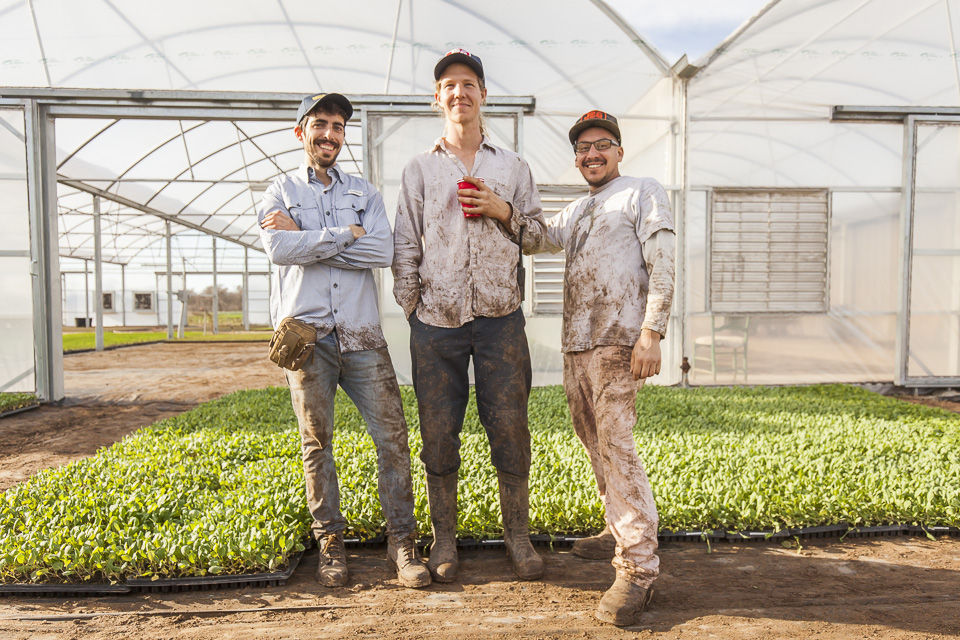 Farm hang. Photo by Scott David Gordon.
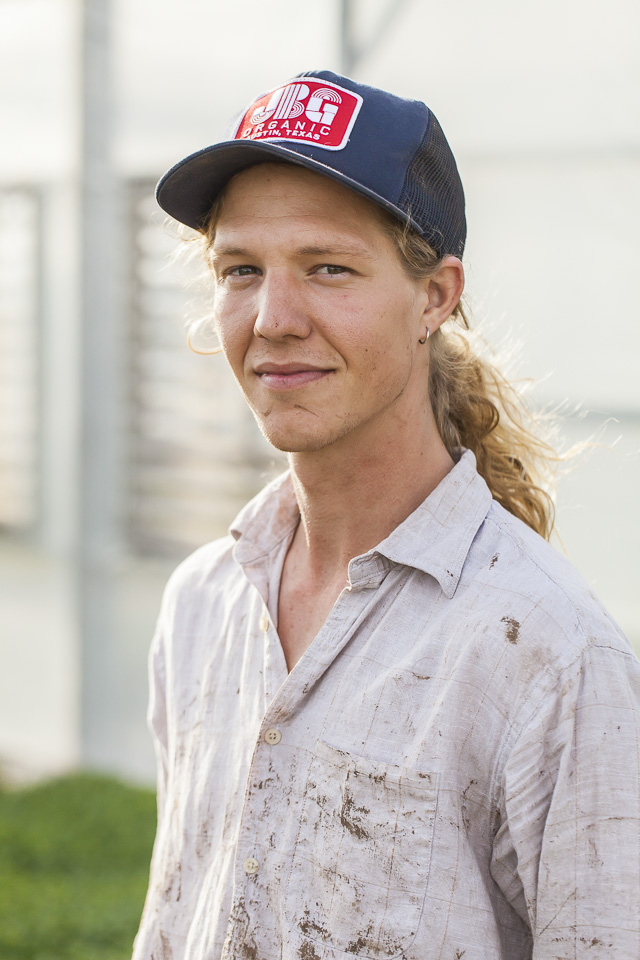 Cody close-up. Photo by Scott David Gordon.
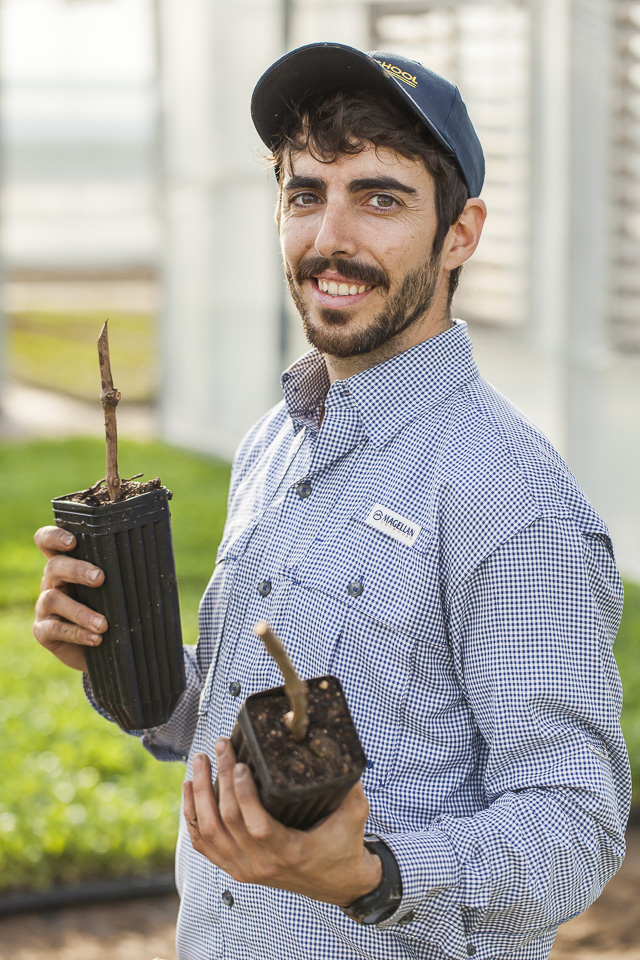 Javier with grape transplants, come get 'em at our transplant sale in March! Photo by Scott David Gordon.
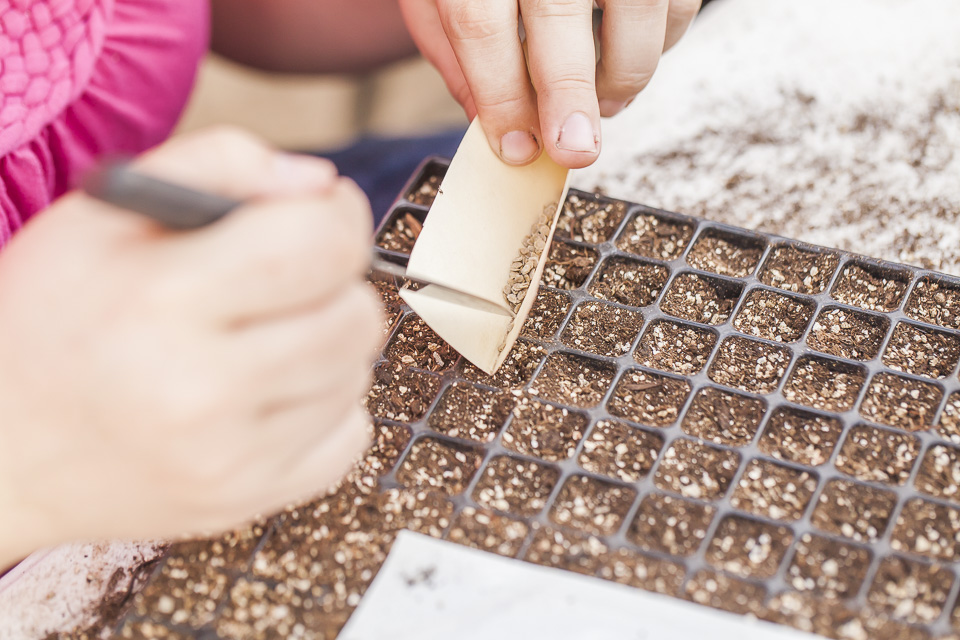 Seeding. Photo by Scott David Gordon.
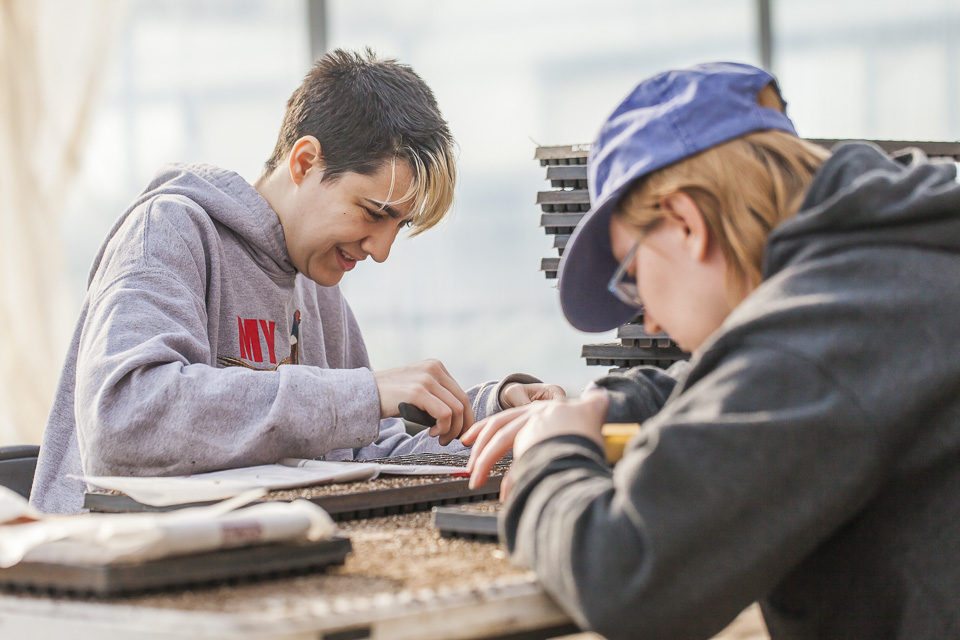 Seeding. Photo by Scott David Gordon.
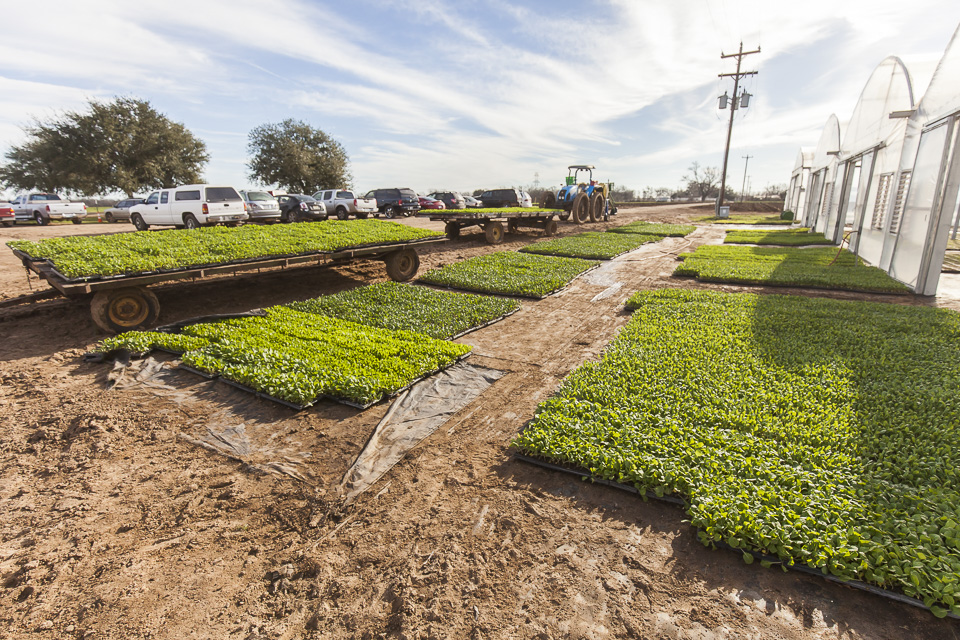 Transplants ready to go in the ground. Photo by Scott David Gordon.
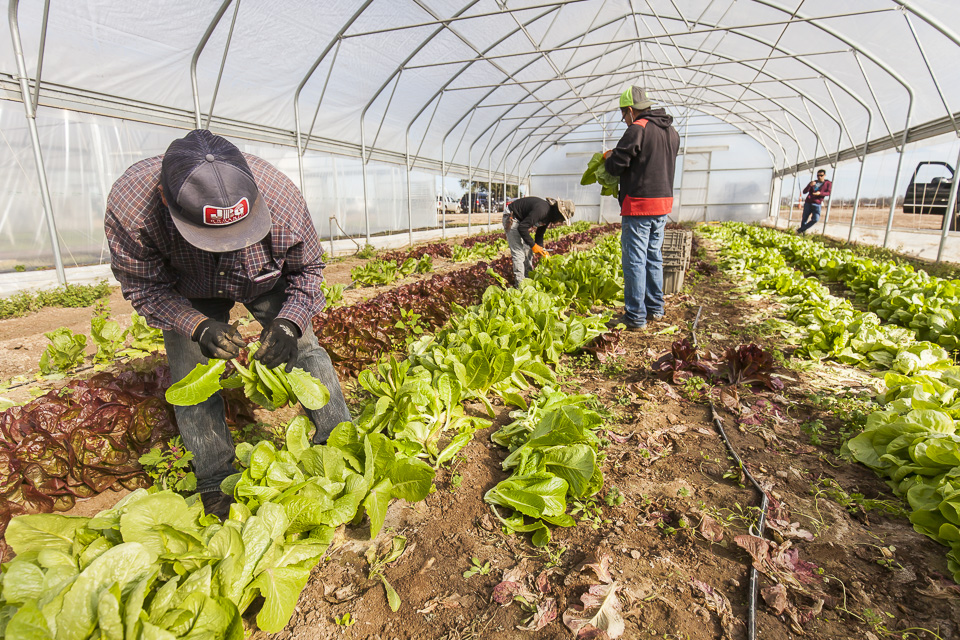 Lettuce harvest. Photo by Scott David Gordon.
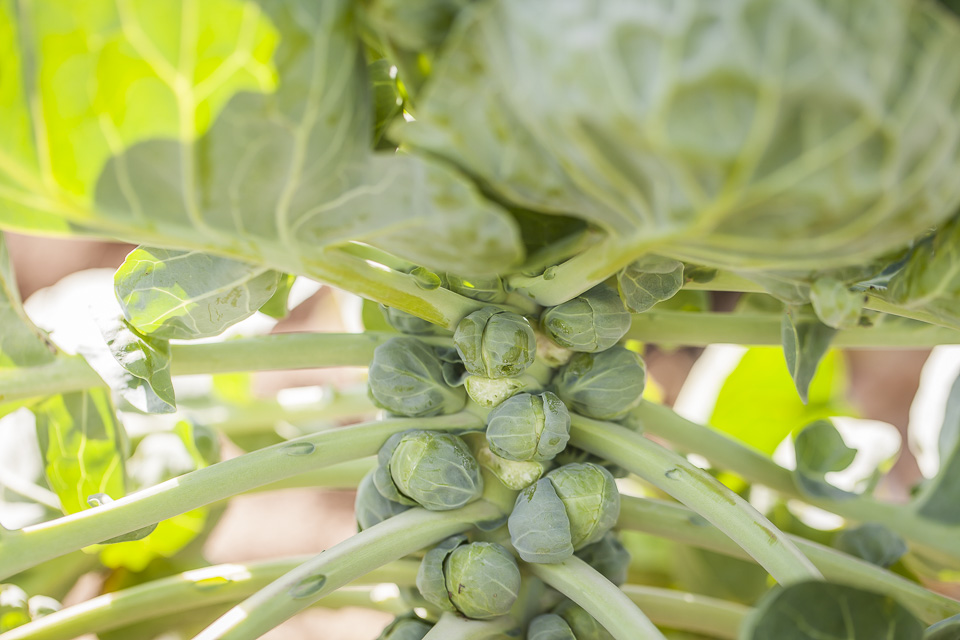 Brussel sprouts! Photo by Scott David Gordon.
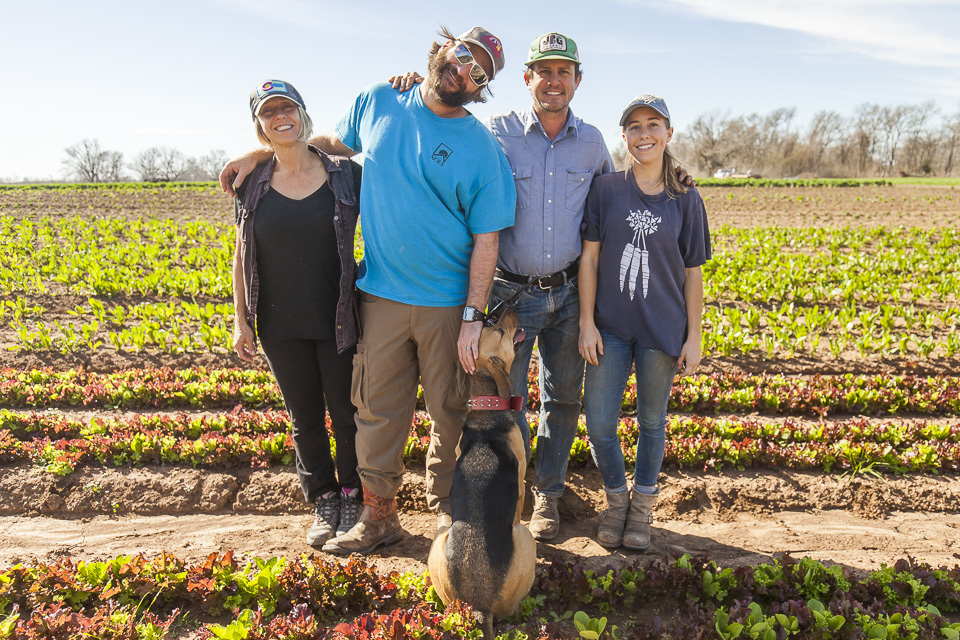 Farm tour with Fagan Family Farms folks. Photo by Scott David Gordon.
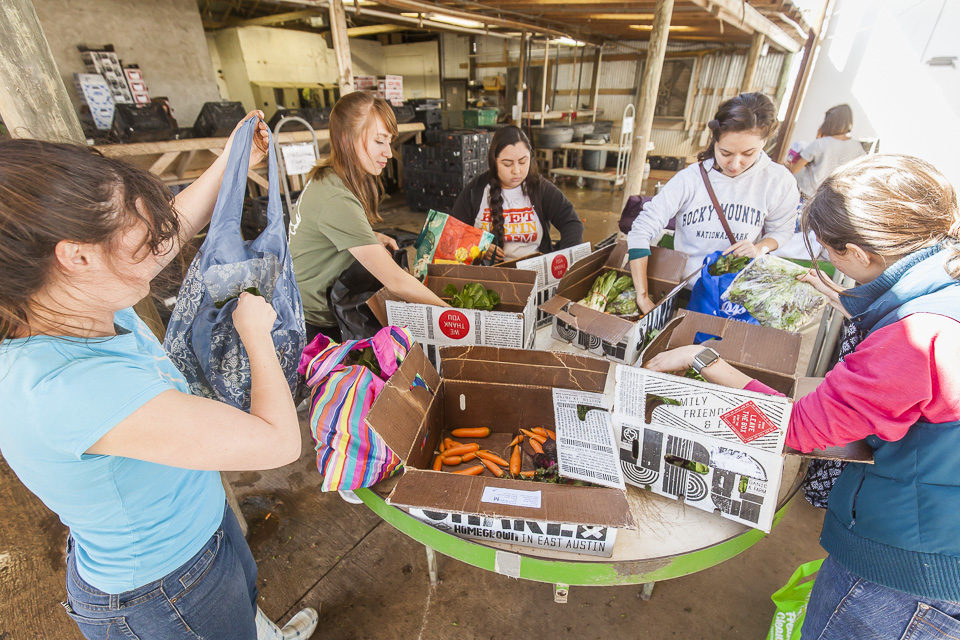 Volunteers, after a long day, stocking up on veggies. Photo by Scott David Gordon.
CARROT-TOP PESTO WITH DILL & PECAN
01/25/17 — Heydon Hatcher
By Mackenzie Smith
Pesto is my go-to solution for greens that won’t go straight into a salad, so carrot-tops fit the bill here just right. Our CSA box had a big handful of dill last week, so I threw some in at the last minute and learned about what happens when dill, carrot-tops and pecans come together: sweet, sharp and earthy, with a nice tang from the dill.
Swap out parsley for anything else you might have on hand here-- I imagine mint and cilantro would take this paste to a whole new place. If you don’t have a food processor, chopping everything by hand works just fine.
Carrot-top Pesto with Dill & Pecan![Photo by Mackenzie Smith.]() Photo by Mackenzie Smith.
Photo by Mackenzie Smith.
Pulse everything but the salt, pepper and lemon juice in a food processor, adding more olive oil as you need to. Season with salt, pepper and lemon juice to taste.
Traditional pesto calls for Parmesan, but I never seem to have the right amount when I set out to make pesto. Nuts, herbs, garlic and olive oil and salt are ever-present in my kitchen and I have found that is really all you need to make a flavorful green paste to spread on sandwiches or quesadillas, toss with pasta, roasted vegetables, dip raw veggies, etc.
![Photo by Mackenzie Smith.]() Photo by Mackenzie Smith.
Photo by Mackenzie Smith.
Last week I enjoyed:
Pesto is my go-to solution for greens that won’t go straight into a salad, so carrot-tops fit the bill here just right. Our CSA box had a big handful of dill last week, so I threw some in at the last minute and learned about what happens when dill, carrot-tops and pecans come together: sweet, sharp and earthy, with a nice tang from the dill.
Swap out parsley for anything else you might have on hand here-- I imagine mint and cilantro would take this paste to a whole new place. If you don’t have a food processor, chopping everything by hand works just fine.
Carrot-top Pesto with Dill & Pecan
- 2 cups carrot-tops, washed, dried and roughly chopped
- ½ cup parsley
- ⅓ cup dill, roughly chopped
- ½ cup pecans, roughly chopped
- 1 clove garlic
- 3/4 cup extra virgin olive oil
- A squeeze or two of lemon juice
- Salt and pepper to taste
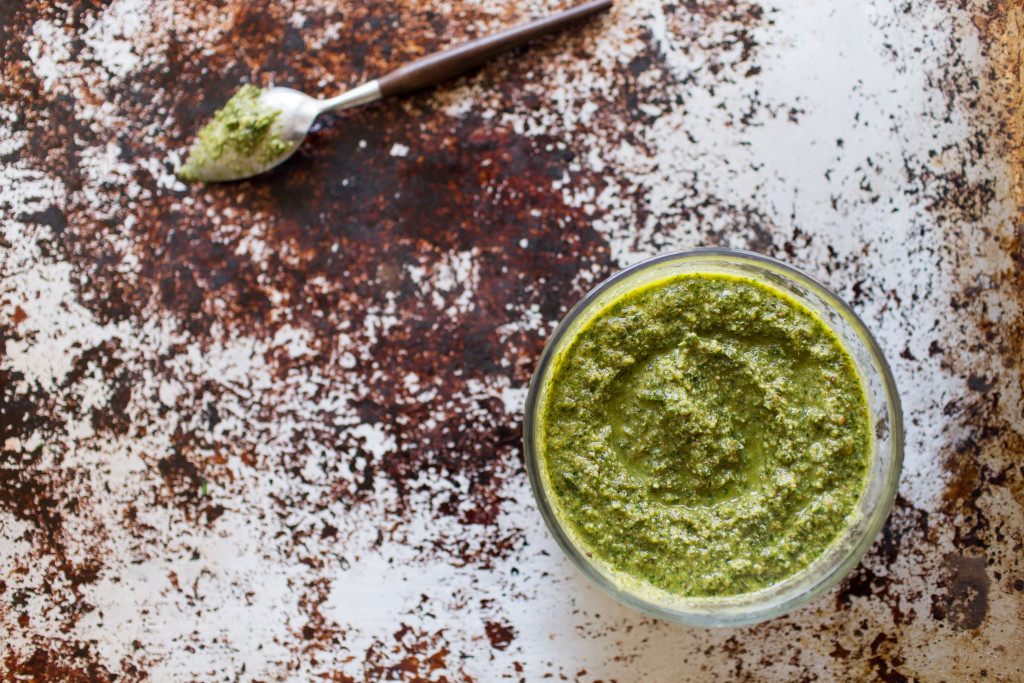 Photo by Mackenzie Smith.
Pulse everything but the salt, pepper and lemon juice in a food processor, adding more olive oil as you need to. Season with salt, pepper and lemon juice to taste.
Traditional pesto calls for Parmesan, but I never seem to have the right amount when I set out to make pesto. Nuts, herbs, garlic and olive oil and salt are ever-present in my kitchen and I have found that is really all you need to make a flavorful green paste to spread on sandwiches or quesadillas, toss with pasta, roasted vegetables, dip raw veggies, etc.
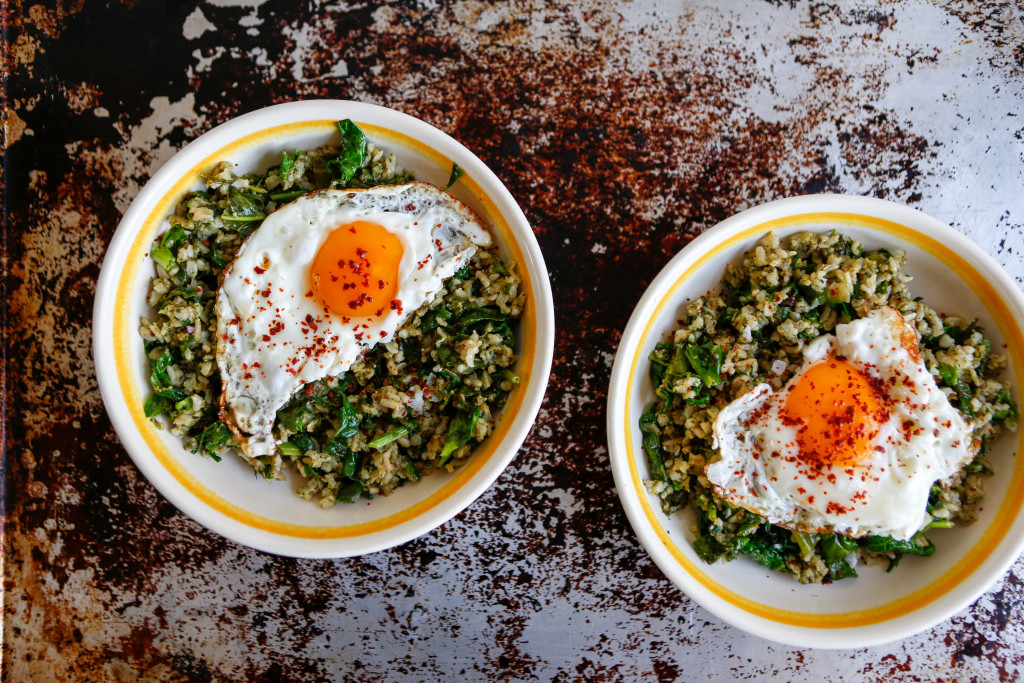 Photo by Mackenzie Smith.
Last week I enjoyed:
- Sourdough sandwiches with roasted carrots, spinach, sharp cheddar and pesto
- Brown rice with carrot-top pesto, wilted spinach
- Grilled cheese with havarti & pesto
- Fried eggs with pesto toast
CSA BOX CONTENTS WEEK OF JAN 23RD
01/24/17 — Scott
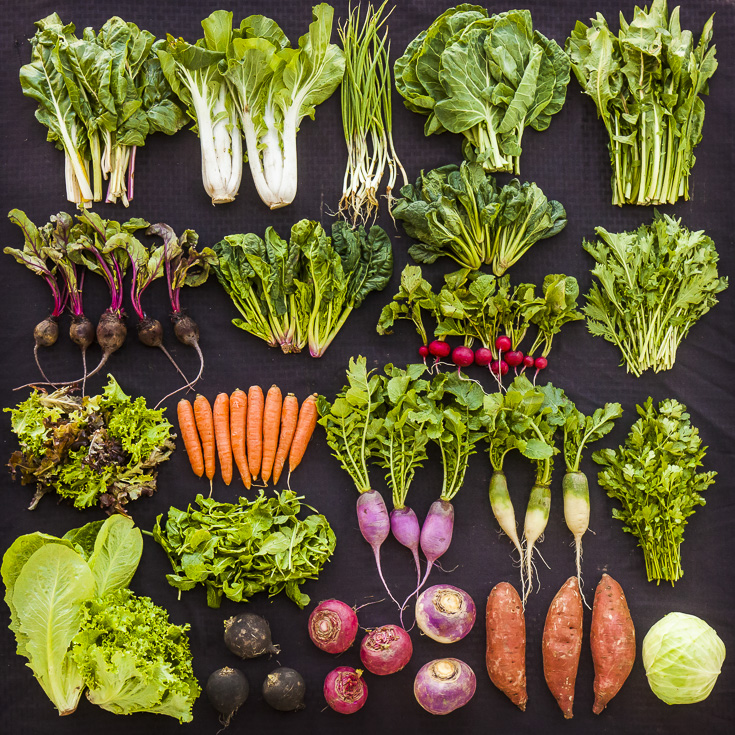 CSA Box Contents Week of Jan 23rd
Large Box
Beet, Red
Bok Choy
Brussels Greens
Brussels Sprouts
Cabbage, Green
Carrot, Orange
Greens, Chard, Rainbow
Greens, Spinach
Herb, Cilantro
Lettuce, Mixed head bag
Onion, Green
Potato, Sweet
Radish, Purple Daikon
Turnip, Scarlett
Beet, Red
Bok Choy
Brussels Greens
Brussels Sprouts
Cabbage, Green
Carrot, Orange
Greens, Chard, Rainbow
Greens, Spinach
Herb, Cilantro
Lettuce, Mixed head bag
Onion, Green
Potato, Sweet
Radish, Purple Daikon
Turnip, Scarlett
Medium Box
Beet, Red
Cabbage, Green
Carrot, Orange
Greens, Collards
Greens, Dandelion
Greens, Spinach
Herb, Cilantro
Lettuce, Mixed head bag
Onion, Green
Radish, Purple Daikon
Turnip, Purple Top
Beet, Red
Cabbage, Green
Carrot, Orange
Greens, Collards
Greens, Dandelion
Greens, Spinach
Herb, Cilantro
Lettuce, Mixed head bag
Onion, Green
Radish, Purple Daikon
Turnip, Purple Top
Small Box
Beet, Red
Cabbage, Green
Carrot, Orange
Greens, Arugula
Greens, Mustard
Greens, Spinach
Potato, Sweet
Turnip, Scarlett
Beet, Red
Cabbage, Green
Carrot, Orange
Greens, Arugula
Greens, Mustard
Greens, Spinach
Potato, Sweet
Turnip, Scarlett
Individual Box
Brussels Greens
Cabbage, Green
Carrot, Orange
Greens, Salad Mix
Potato, Sweet
Radish, Purple Daikon
Brussels Greens
Cabbage, Green
Carrot, Orange
Greens, Salad Mix
Potato, Sweet
Radish, Purple Daikon
A GRAPE UPDATE!
01/20/17 — Heydon Hatcher
This week, we’ve got grapes on the mind in a big way. In case you didn’t know, we are in our third season of growing grapes! Last year’s yield was miniscule in comparison (fingers crossed) to what this year’s will be… our first bona fide FULL harvest. The harvest window is very short (two to three weeks max), but oh, how sweet it is! We are expecting this succulent crop to arrive in all it’s glory in the depths of summertime, around June and early July.
![Grapes! Photo by Scott David Gordon.]() Grapes! Photo by Scott David Gordon.
Grapes! Photo by Scott David Gordon.
Not only are we growing these to fruit, but we are also propagating them for our upcoming transplant sale! Along with persimmons, pomegranates, figs, grapefruits, lemons, limes, mandarins, and twenty different herbs, we will be selling grape plants to you, our lovely farm community! This very exciting transplant sale will be taking place three Saturdays in a row in March. That’s three opportunities for you to visit the farm and stock up on all the starters you need for your Spring Garden. On top of that, our greenhouse manager, Brandon, will be conducting a gardening workshop and dispensing master green-thumb intel with the assistance of none other than the head honcho, Brenton Johnson! Exact date TBD.
![Gardening workshop past. Photo by Scott David Gordon.]() Gardening workshop past. Photo by Scott David Gordon.
Gardening workshop past. Photo by Scott David Gordon.
When it rains at the farm, we’re always challenged to find work for our many employees - muddy conditions are not ideal for planting or harvesting. With the gargantuan amount of rainfall earlier this week, we turned to our grapes to put our staff to work. Most of the grape trellising is done in the first year, but a little needed to be done this week. On the third year of grape production, there is a lot of pruning and tying that needs to be done. For this undertaking, we called upon our grape-whisperer comrade, David, to pop by Garfield and teach us his expert ways. David lives next to our Hergotz packing shed and has been growing grapes in his backyard for years. In his tenure of tending to his grapes, he has cultivated a vast and invaluable knowledge of the fruit, specifically how to grow them in the sometimes tricky Central Texas climate. He gladly took time out of his schedule to come out and demonstrate to our crew the sometimes tricky procedure of pruning and tying grapevines.
![170119_SDG309794]()
When our grape plants first arrive to the farm, they are around one foot tall, and since the trellis training wire is about four feet tall, the baby grape plants need a training stake to reach the training wire. We had a fleet of bamboo stakes installed for the job (fun fact: bamboo doesn’t rot!). After three years of doing their thing, our grape plants have finally grown tall enough to reach the training wire. After removing these bamboo stakes, it was time for us to get busy pruning. Each grape plant had grown up to five or six different offshoots, so we needed to choose two vines on each plant that we deemed in the best shape, then tied them to the training wire. We had a grand ol’ time lopping off the unwanted vines with an electric reciprocating saw and tossed them into the middle of the row to collect later. The way in which you tie the vine to the wire is immensely important, you don’t want the vines resting on the wire, but you do want the weight of the vine pulling away from the wire. After this was done, we rearranged some of the roots, as some of them had fallen on their side. We used cedar blocks to brace those that had fallen and secure them in an upright position, enabling them to re-root.
![170119_SDG309800]() Tying the vines. Photo by Scott David Gordon.
Tying the vines. Photo by Scott David Gordon.
![Pruned and tied vines. Photo by Scott David Gordon.]() Pruned and tied vines. Photo by Scott David Gordon.
Pruned and tied vines. Photo by Scott David Gordon.
![Gathering the cut offshoot vines. Photo by Scott David Gordon.]() Gathering the cut offshoot vines. Photo by Scott David Gordon.
Gathering the cut offshoot vines. Photo by Scott David Gordon.
Our grapes are grown on grafted rootstock, meaning that the roots of the grapes are different from the fruiting part of the plant. The rootstock that we use absorbs nutrients more effectively from our soil than the original rootstock. Using different rootstock that is more suited to the Central Texas climate and soil circumvents the plants from succumbing to disease and pests, like phylloxera, a pesky microscopic insect that can wreak havoc on grapes (just look up the Great French Wine Blight and you’ll get a taste of their capabilities! Similar to the boll weevil’s effect on cotton plantations in the ‘20s). The rootstock and propagated grape plant, known as the scion, have a rooting chamber. After a couple of years if they have grown together successfully, it’s hard to find the site of the graft if everything is done properly. Pretty cool, right?
We also had to tension the trellises this week, which was quite an interesting experience since we don’t know much about the process, and also, don’t have the correct tools for it. Thank goodness for Charlotte, our assistant farm manager, who figured out a makeshift way to re-adjust the tension of the trellises using advice doled out by an old powerpoint that she unearthed online. She proclaimed it a “classic physics problem” and set out to deduce the tension of the wire. She had to hang a bucket off the training wire in the middle of two stakes and dictated the weight by adding sand and rocks. Depending on how far the bucket hung down, she gleaned the deflection of the wire. Based on how much the bucket weighs, the distance between the poles, and the gauge/strength/length of the wire (we had to call the wire manufacturer and see what the maximum weight it could bear… FYI it’s 1100 lbs!), that’s how you figure the tension! Charlotte went out with the field crew and they tensioned the wires correctly to 900 lbs. They will eventually need to be altered in the summertime, as the change in temperature will cause the wires to shrink and expand, but for now, our trellises are good to go.
![Photo by Scott David Gordon.]() Photo by Scott David Gordon.
Photo by Scott David Gordon.
Finally, we are training the canopies! The type of canopy that we collectively decided would yield the tastiest, fullest, and most voluminous harvest is the Geneva Double Curtain. This type of canopy allows grapes grow in the shade of their own leaves, and the leaves are exposed to the most sun and air. Trust us, these are going to be so tasty! We have two different varieties of grapes growing currently: Victoria Red, a super sweet and delicious table grape bred specifically for Texas soil and climate, and Blanc du Bois, a hardy variety with an exquisite taste. Yum!
![Photo by Scott David Gordon.]() Photo by Scott David Gordon.
Photo by Scott David Gordon.
We are trying our darnedest to get a more expansive offering of fruits for the CSA. It’s a constant struggle to find fruits that will grow successfully in our climate, but we know that people love more fruits than just tomatoes! On top of our grape venture, we are growing figs, two varieties of pomegranates, two kinds of loquats, pears, and planting citrus this year, too! So keep a look out, we have some really exciting produce headed your way. 'Til next time!
![Satsumas in the summertime. Photo by Scott David Gordon.]() Satsumas in the summertime. Photo by Scott David Gordon.
Satsumas in the summertime. Photo by Scott David Gordon.
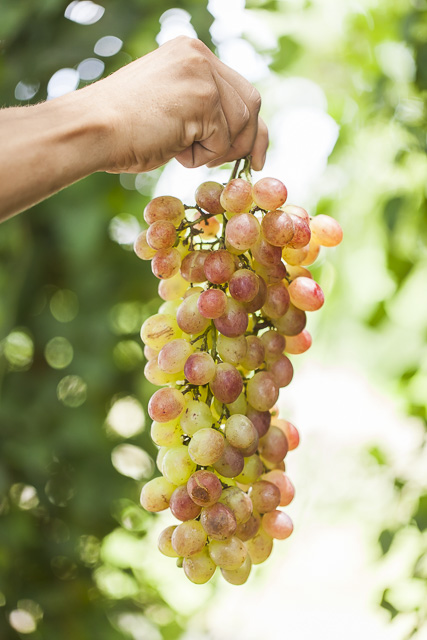 Grapes! Photo by Scott David Gordon.
Not only are we growing these to fruit, but we are also propagating them for our upcoming transplant sale! Along with persimmons, pomegranates, figs, grapefruits, lemons, limes, mandarins, and twenty different herbs, we will be selling grape plants to you, our lovely farm community! This very exciting transplant sale will be taking place three Saturdays in a row in March. That’s three opportunities for you to visit the farm and stock up on all the starters you need for your Spring Garden. On top of that, our greenhouse manager, Brandon, will be conducting a gardening workshop and dispensing master green-thumb intel with the assistance of none other than the head honcho, Brenton Johnson! Exact date TBD.
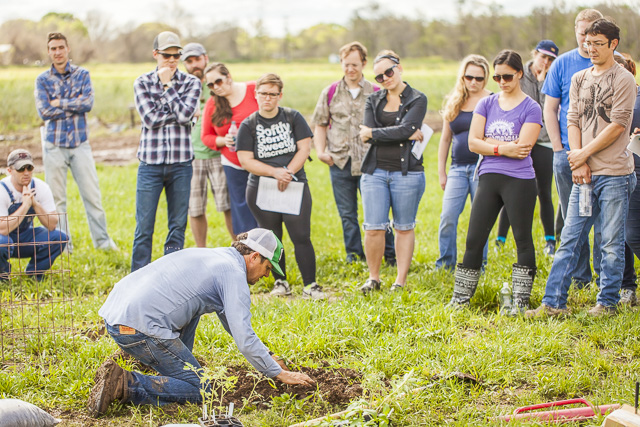 Gardening workshop past. Photo by Scott David Gordon.
When it rains at the farm, we’re always challenged to find work for our many employees - muddy conditions are not ideal for planting or harvesting. With the gargantuan amount of rainfall earlier this week, we turned to our grapes to put our staff to work. Most of the grape trellising is done in the first year, but a little needed to be done this week. On the third year of grape production, there is a lot of pruning and tying that needs to be done. For this undertaking, we called upon our grape-whisperer comrade, David, to pop by Garfield and teach us his expert ways. David lives next to our Hergotz packing shed and has been growing grapes in his backyard for years. In his tenure of tending to his grapes, he has cultivated a vast and invaluable knowledge of the fruit, specifically how to grow them in the sometimes tricky Central Texas climate. He gladly took time out of his schedule to come out and demonstrate to our crew the sometimes tricky procedure of pruning and tying grapevines.
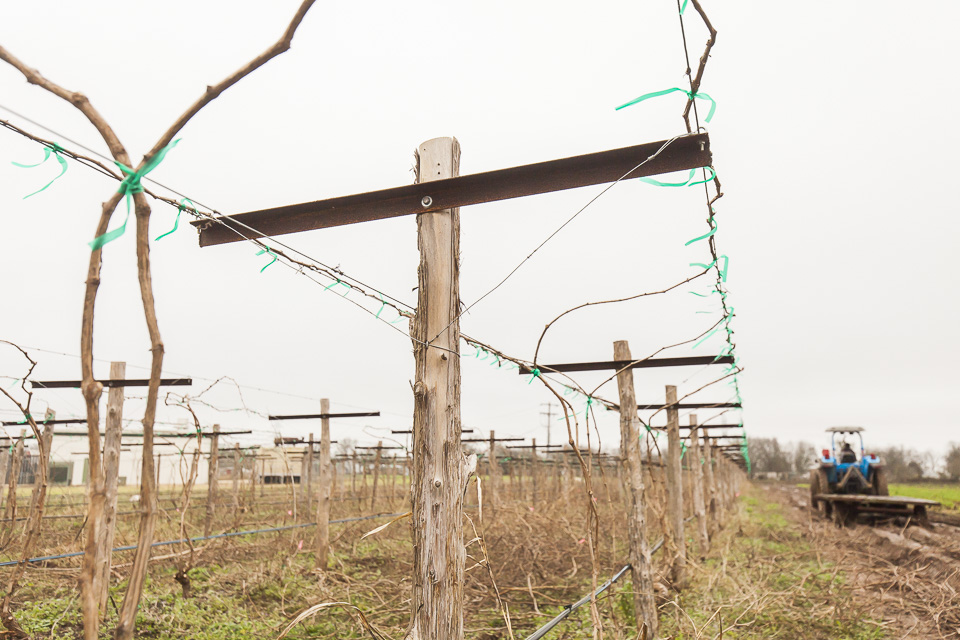
When our grape plants first arrive to the farm, they are around one foot tall, and since the trellis training wire is about four feet tall, the baby grape plants need a training stake to reach the training wire. We had a fleet of bamboo stakes installed for the job (fun fact: bamboo doesn’t rot!). After three years of doing their thing, our grape plants have finally grown tall enough to reach the training wire. After removing these bamboo stakes, it was time for us to get busy pruning. Each grape plant had grown up to five or six different offshoots, so we needed to choose two vines on each plant that we deemed in the best shape, then tied them to the training wire. We had a grand ol’ time lopping off the unwanted vines with an electric reciprocating saw and tossed them into the middle of the row to collect later. The way in which you tie the vine to the wire is immensely important, you don’t want the vines resting on the wire, but you do want the weight of the vine pulling away from the wire. After this was done, we rearranged some of the roots, as some of them had fallen on their side. We used cedar blocks to brace those that had fallen and secure them in an upright position, enabling them to re-root.
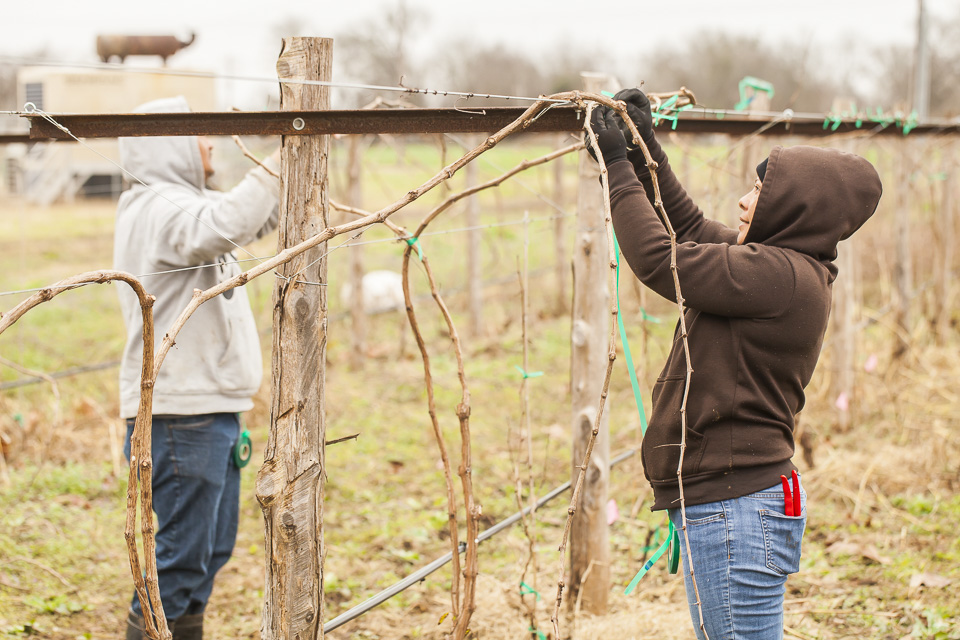 Tying the vines. Photo by Scott David Gordon.
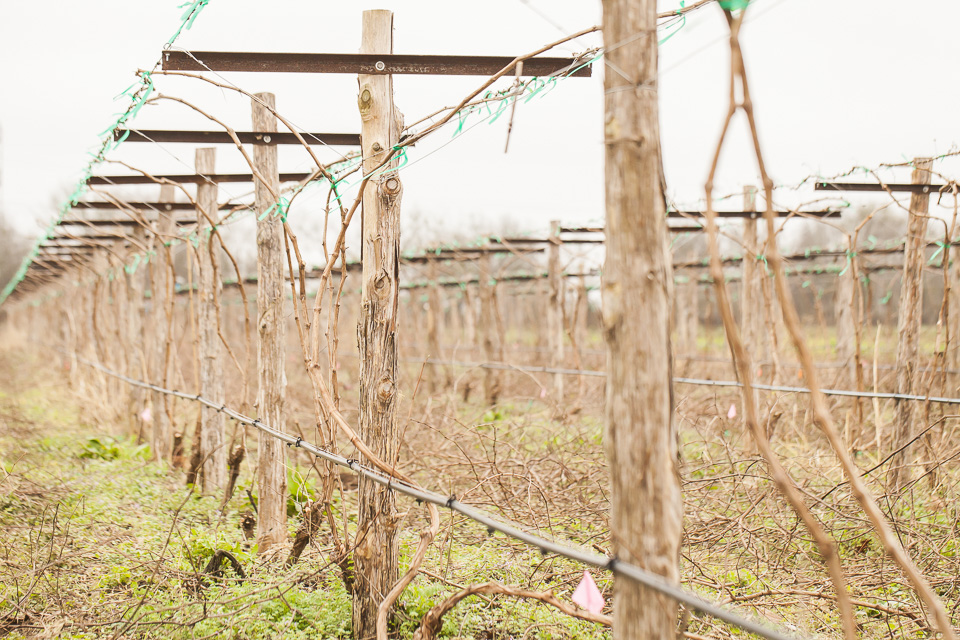 Pruned and tied vines. Photo by Scott David Gordon.
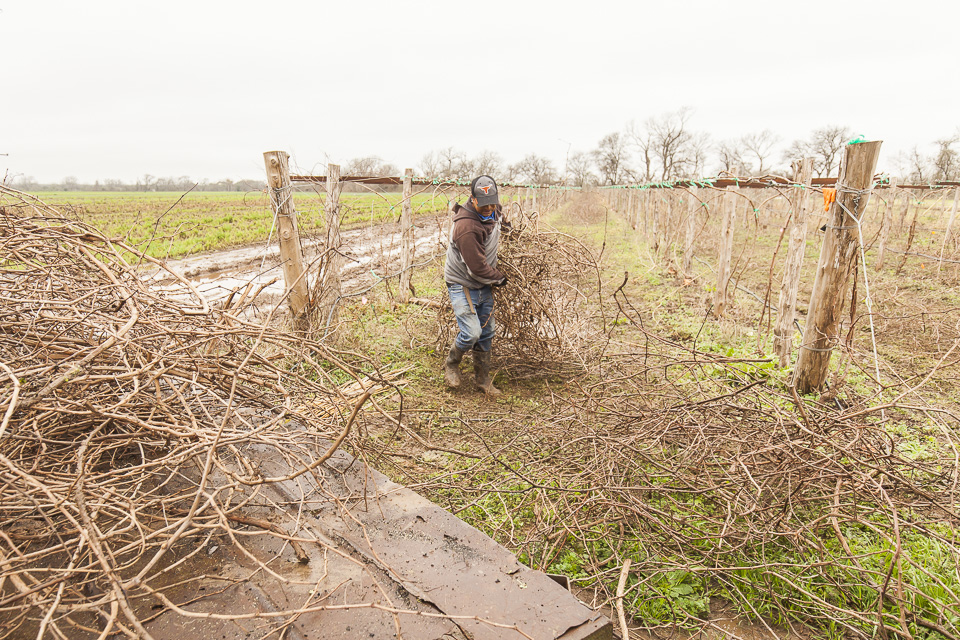 Gathering the cut offshoot vines. Photo by Scott David Gordon.
Our grapes are grown on grafted rootstock, meaning that the roots of the grapes are different from the fruiting part of the plant. The rootstock that we use absorbs nutrients more effectively from our soil than the original rootstock. Using different rootstock that is more suited to the Central Texas climate and soil circumvents the plants from succumbing to disease and pests, like phylloxera, a pesky microscopic insect that can wreak havoc on grapes (just look up the Great French Wine Blight and you’ll get a taste of their capabilities! Similar to the boll weevil’s effect on cotton plantations in the ‘20s). The rootstock and propagated grape plant, known as the scion, have a rooting chamber. After a couple of years if they have grown together successfully, it’s hard to find the site of the graft if everything is done properly. Pretty cool, right?
We also had to tension the trellises this week, which was quite an interesting experience since we don’t know much about the process, and also, don’t have the correct tools for it. Thank goodness for Charlotte, our assistant farm manager, who figured out a makeshift way to re-adjust the tension of the trellises using advice doled out by an old powerpoint that she unearthed online. She proclaimed it a “classic physics problem” and set out to deduce the tension of the wire. She had to hang a bucket off the training wire in the middle of two stakes and dictated the weight by adding sand and rocks. Depending on how far the bucket hung down, she gleaned the deflection of the wire. Based on how much the bucket weighs, the distance between the poles, and the gauge/strength/length of the wire (we had to call the wire manufacturer and see what the maximum weight it could bear… FYI it’s 1100 lbs!), that’s how you figure the tension! Charlotte went out with the field crew and they tensioned the wires correctly to 900 lbs. They will eventually need to be altered in the summertime, as the change in temperature will cause the wires to shrink and expand, but for now, our trellises are good to go.
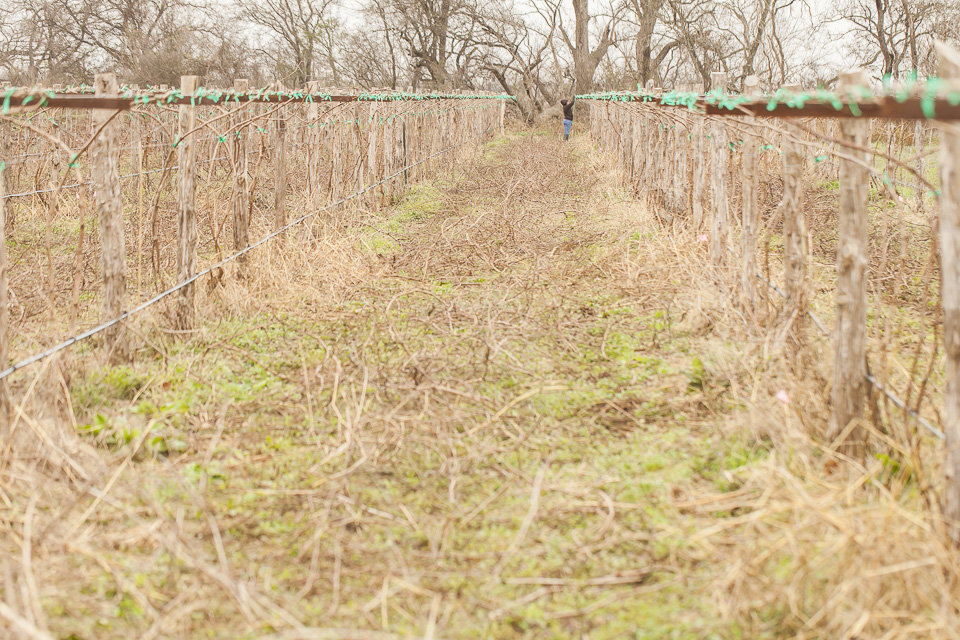 Photo by Scott David Gordon.
Finally, we are training the canopies! The type of canopy that we collectively decided would yield the tastiest, fullest, and most voluminous harvest is the Geneva Double Curtain. This type of canopy allows grapes grow in the shade of their own leaves, and the leaves are exposed to the most sun and air. Trust us, these are going to be so tasty! We have two different varieties of grapes growing currently: Victoria Red, a super sweet and delicious table grape bred specifically for Texas soil and climate, and Blanc du Bois, a hardy variety with an exquisite taste. Yum!
 Photo by Scott David Gordon.
We are trying our darnedest to get a more expansive offering of fruits for the CSA. It’s a constant struggle to find fruits that will grow successfully in our climate, but we know that people love more fruits than just tomatoes! On top of our grape venture, we are growing figs, two varieties of pomegranates, two kinds of loquats, pears, and planting citrus this year, too! So keep a look out, we have some really exciting produce headed your way. 'Til next time!
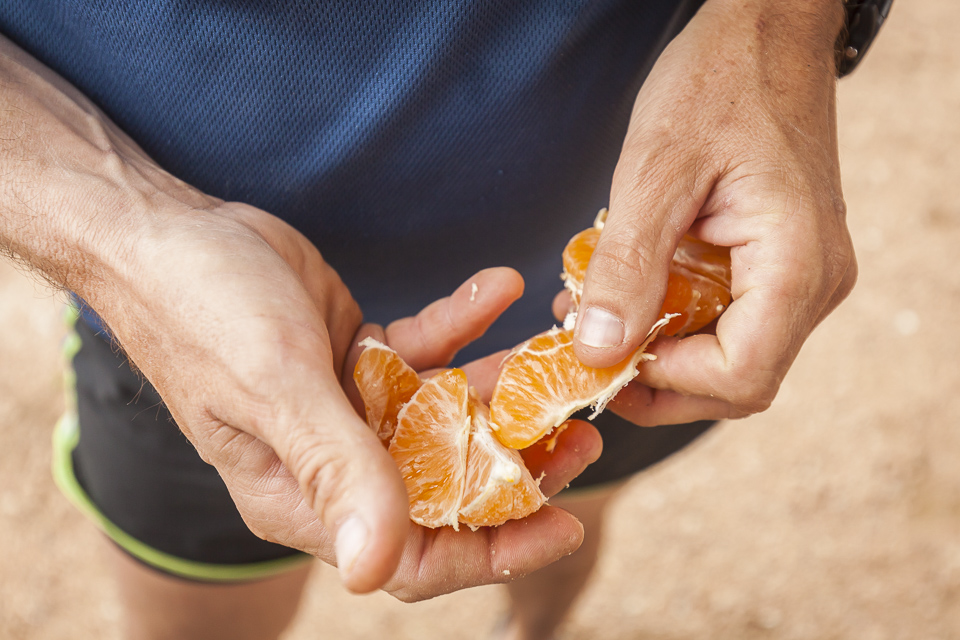 Satsumas in the summertime. Photo by Scott David Gordon.
WEEK 3 IN PHOTOS
01/20/17 — Heydon Hatcher

It’s super muddy out at the farm this week. We are seeing some awesome golden beets and carrots out in the fields, so enjoy these winter roots while they are still around! Brussel sprouts were harvested this week, so keep an eye out for them at the markets this weekend. There’s been a ton of tractor maintenance and general spring cleaning out at the farm, too. Our cover crops are starting to look beautiful. We are relishing the final relatively quiet moments before the impending influx of transplants going out. Our greenhouse is bursting at the seams! We have so much work ahead of us! We worked this past Saturday on getting the beds ready for these transplants. Here’s to another great week, and have an awesome weekend!
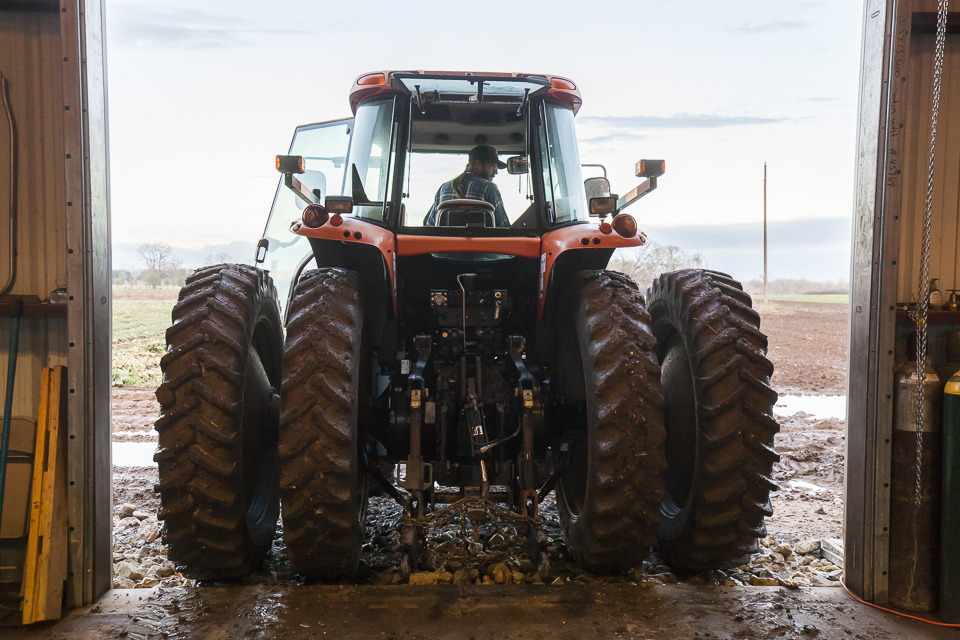 Getting the tractors fine-tuned. Photo by Scott David Gordon.
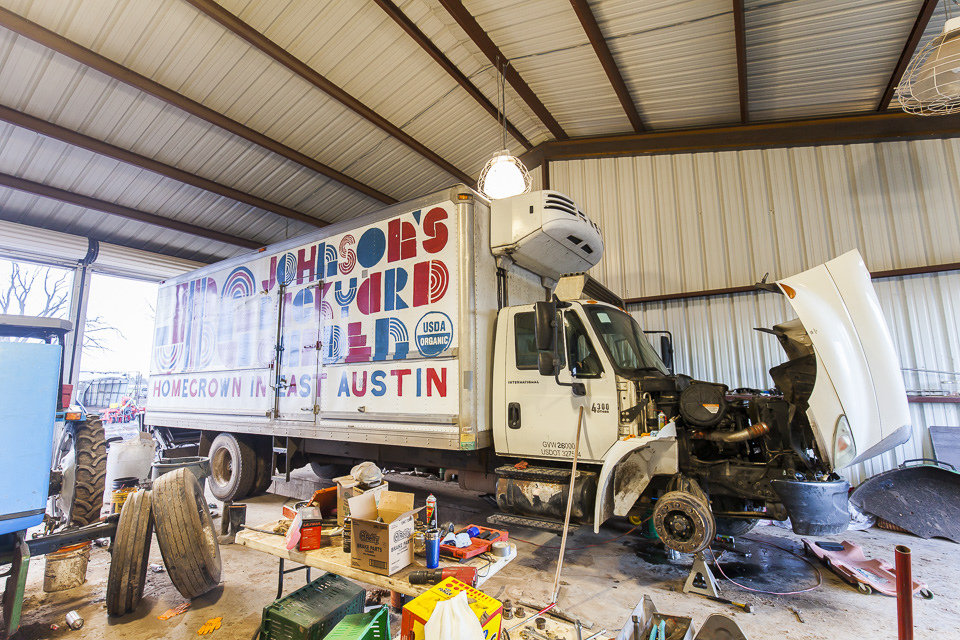 Truck maintenance. Photo by Scott David Gordon.
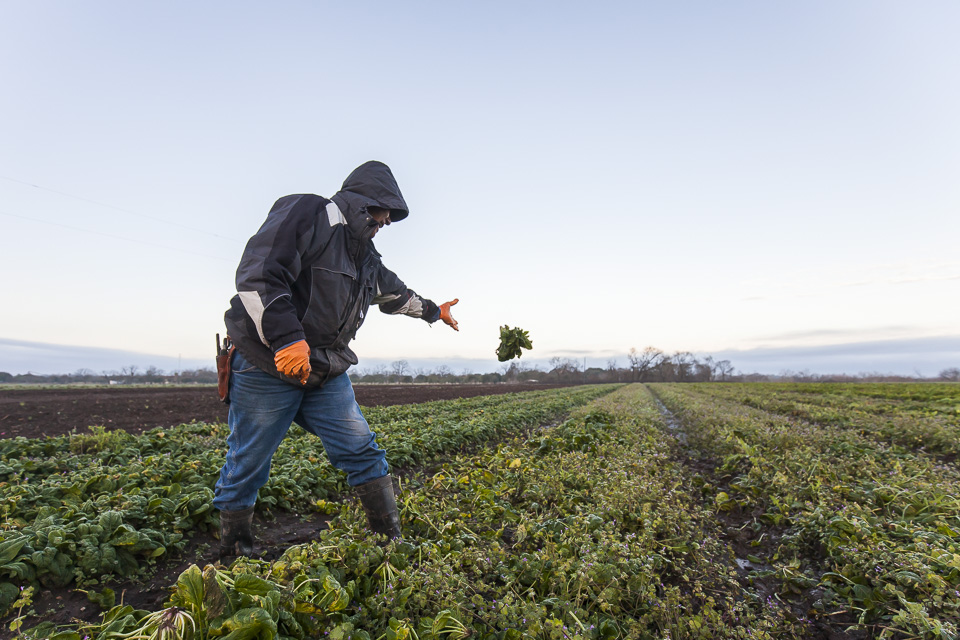 Magic! Levitating greens. Photo by Scott David Gordon.
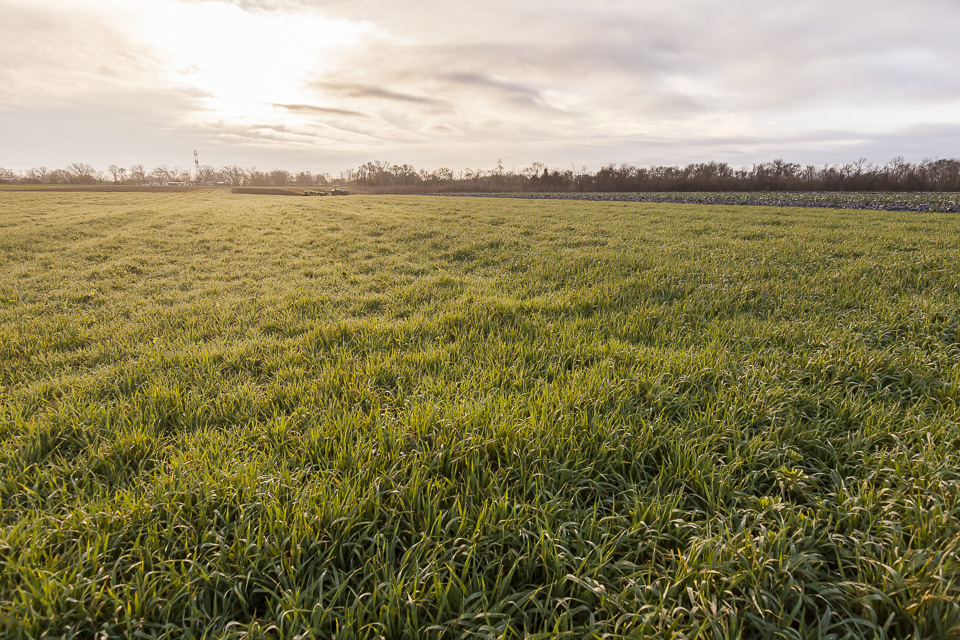 Cover crop beauty. Photo by Scott David Gordon.
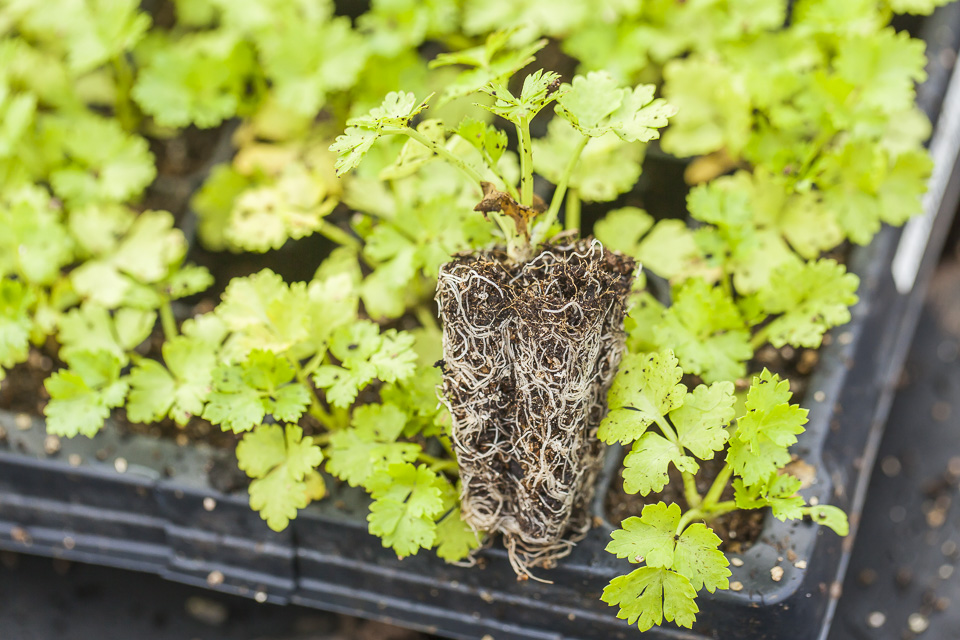 Ready to get in the ground. Photo by Scott David Gordon.
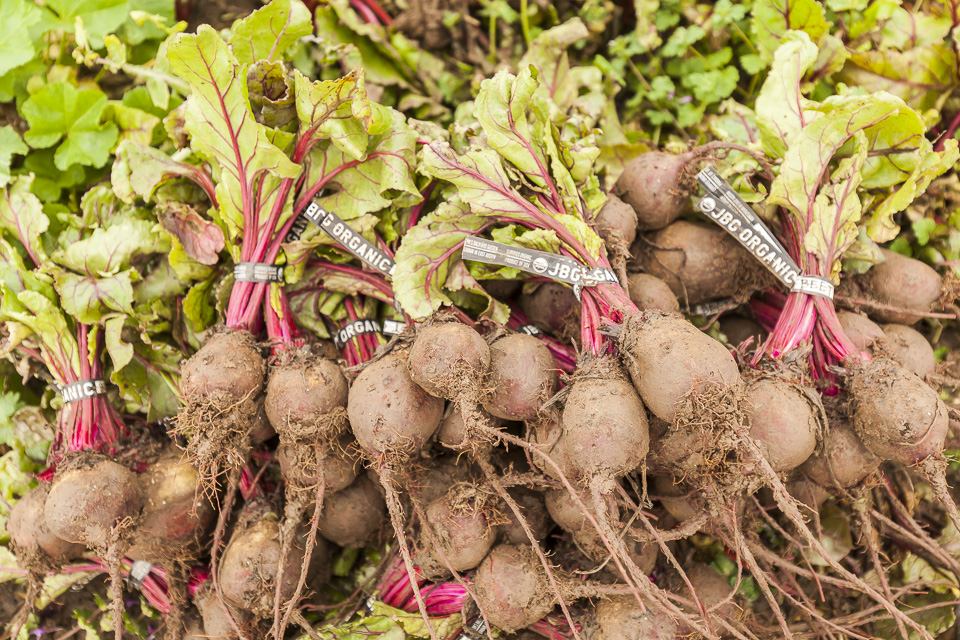 Muddy beets. Photo by Scott David Gordon.
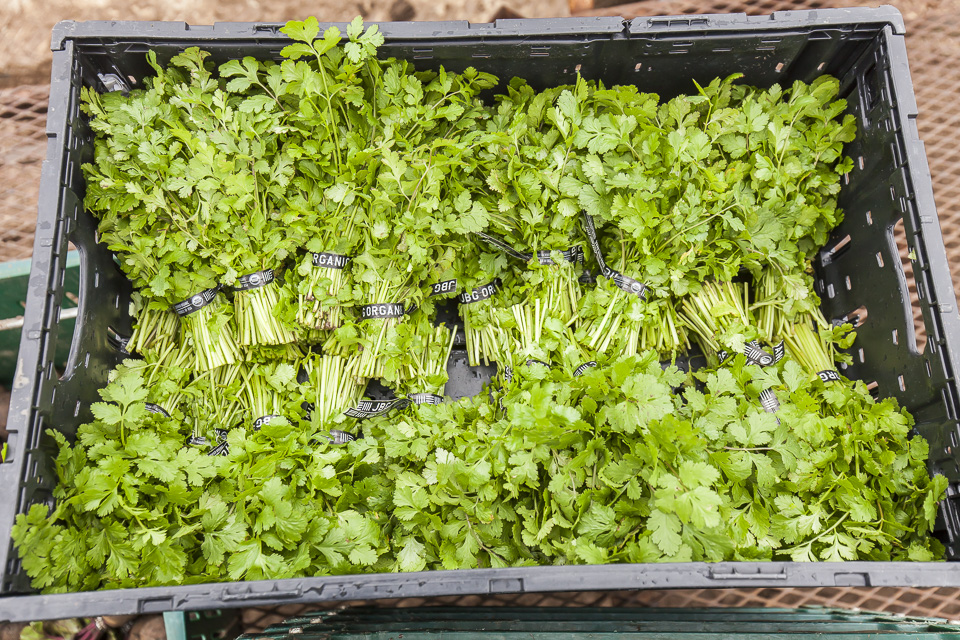 Vibrant cilantro. Photo by Scott David Gordon.
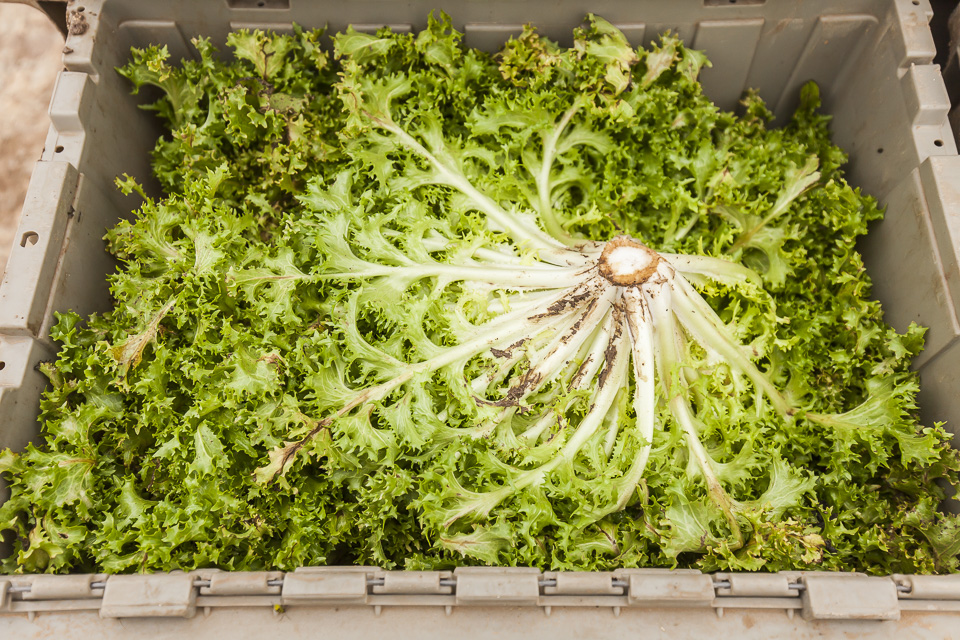 Escarole. Photo by Scott David Gordon.
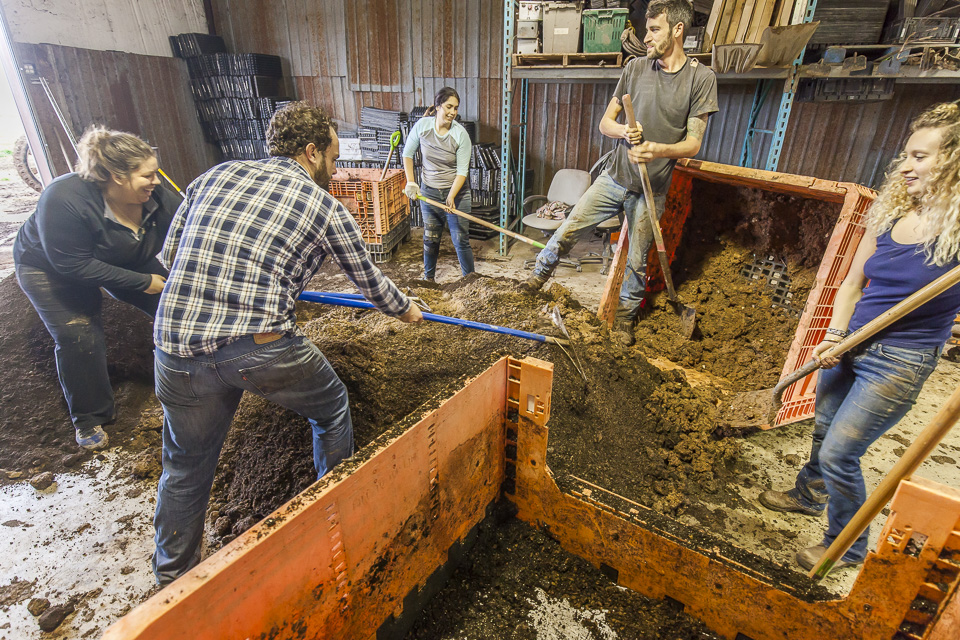 Brandon and co. havin' a muddy good time. Photo by Scott David Gordon.
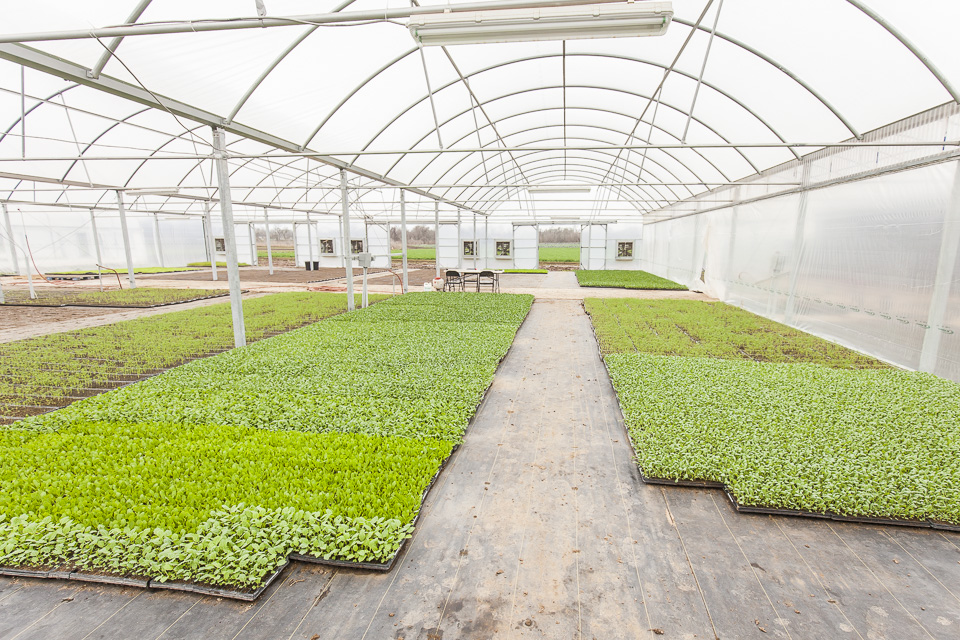 One very full greenhouse. Photo by Scott David Gordon.
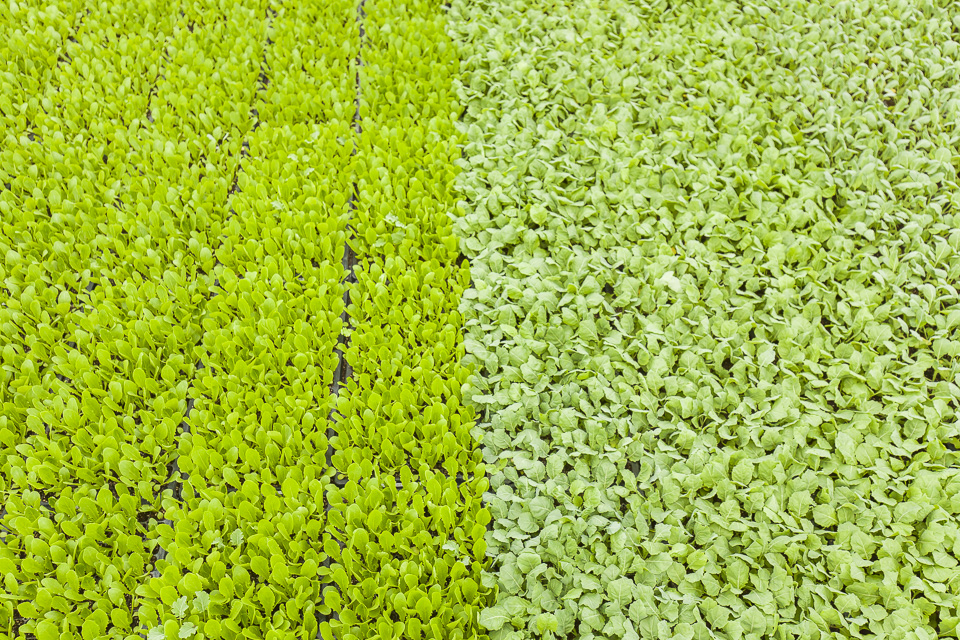 Transplant gradient. Photo by Scott David Gordon.
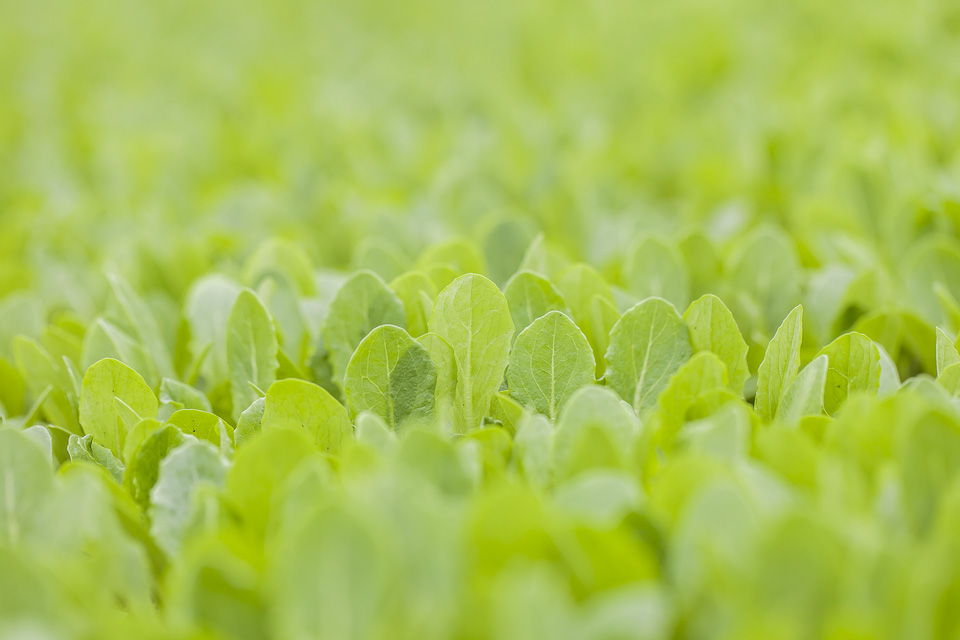 Photo by Scott David Gordon.
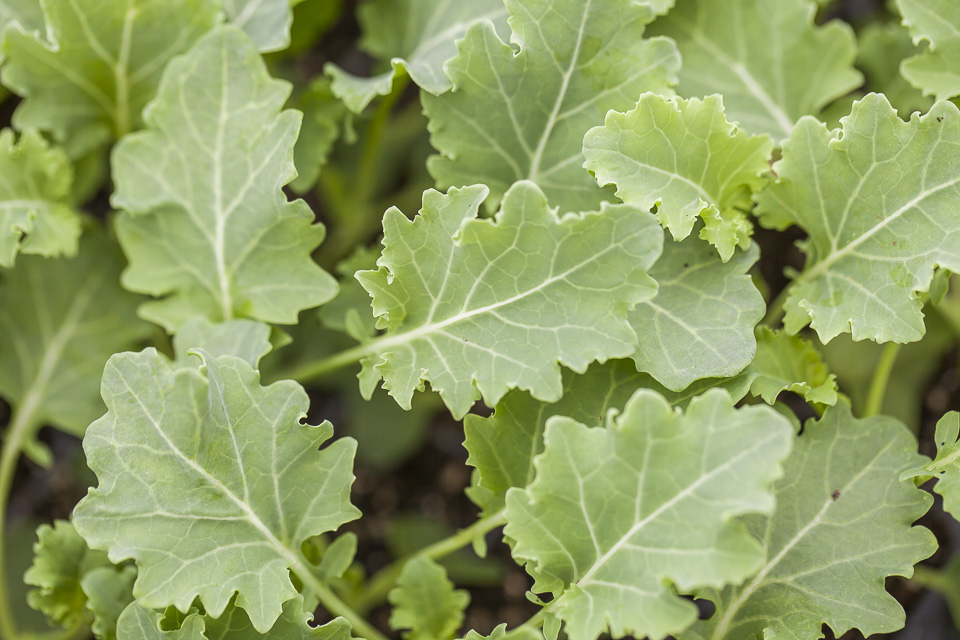 Photo by Scott David Gordon.
 Photo by Scott David Gordon.
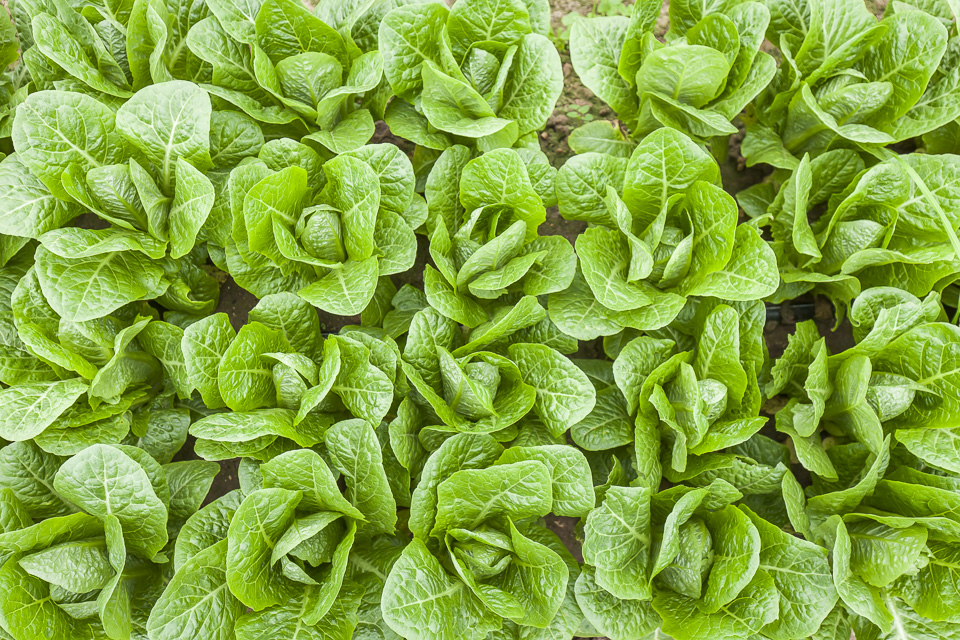 Photo by Scott David Gordon.
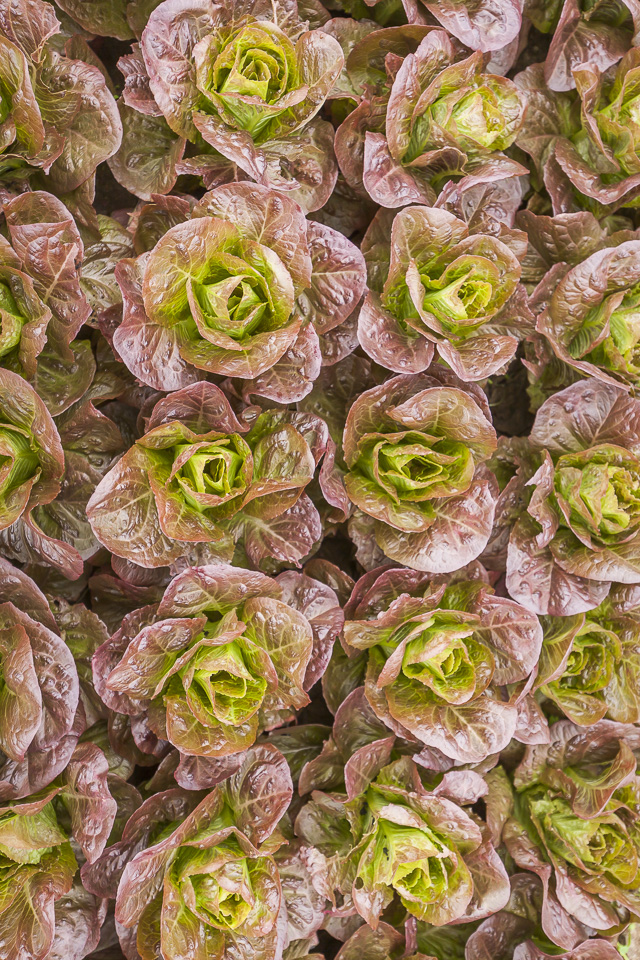 Photo by Scott David Gordon.
KALE, POTATO, AND ITALIAN SAUSAGE SOUP WITH A POACHED EGG
01/18/17 — Heydon Hatcher
by Megan Winfrey
Call me crazy, but I'm am loving this cold, rainy weather! I'll take any excuse to bundle up in my often neglected jackets, sweaters, and slippers, sip hot toddies and have soup for every meal. This week's recipe is probably my favorite of the last few weeks. It's simple, delicious, gorgeous, filling, and gets better and better as leftovers. And poached eggs, heaven on earth - right!? I used to be too intimidated to even think about poaching an egg, but after learning a few simple tricks, they're one of my favorite things to whip up for any meal.
Kale, Potato, & Italian Sausage Soup with a Poached Egg![IMG_4578]()
Heat a large soup pot over medium high heat. Add the onion and crumbled sausage, cook until the sausage is brown and the onions translucent. Stir in milk, half and half, chicken stock, potatoes, oregano, and red pepper flakes and bring to a boil. Immediately reduce to low and simmer for about 30 minutes, until the potatoes are tender. Season with salt and pepper. Add the kale leaves and simmer for another 15 minutes, until the kale is tender but not stringy.
To poach the eggs: It is important to poach the eggs one at a time to ensure an even cook and pretty outcome. Fresh, pasture-raised eggs make all the difference here. The eggs I get from JBG are delicious, and they come from one of two local farms - Fruitful Hill or Coyote Creek, but I digress... To poach: Crack one egg into a glass. Fill a saucepan just over half way with water. Add a splash of white vinegar. Bring to a steady simmer. Hold the egg-in-a-glass in one hand, while using a spoon to swirl the simmering water into a whirlpool with the other (the spinning water will force the white of the eggs to form into a ball.) With the water spinning, gently drop the egg in. Turn the heat down if necessary to keep the water at a steady simmer. Let the egg cook for 3 minutes, then remove with a slotted spoon onto a paper towel. Repeat this process with the rest of your eggs, and you can continue using the same water. Once drained, place your beautiful poached egg atop a bowl of soup and top with fresh cracked pepper and Parmesan cheese.
Call me crazy, but I'm am loving this cold, rainy weather! I'll take any excuse to bundle up in my often neglected jackets, sweaters, and slippers, sip hot toddies and have soup for every meal. This week's recipe is probably my favorite of the last few weeks. It's simple, delicious, gorgeous, filling, and gets better and better as leftovers. And poached eggs, heaven on earth - right!? I used to be too intimidated to even think about poaching an egg, but after learning a few simple tricks, they're one of my favorite things to whip up for any meal.
Kale, Potato, & Italian Sausage Soup with a Poached Egg
- 1 lb. ground Italian sausage
- 2 sweet potatoes or 4 red potatoes, cubed
- 3-4 carrots, cubed
- 2 cups kale leaves, packed (I used a mixture of purple and curly)
- 4 cups whole milk
- 2 cups half and half
- 2 cups chicken stock
- 1 onion, chopped
- 1/2 tsp. dried oregano
- 1/2 tsp. red pepper flakes
- salt and cracked pepper, to taste
- 1 egg per serving
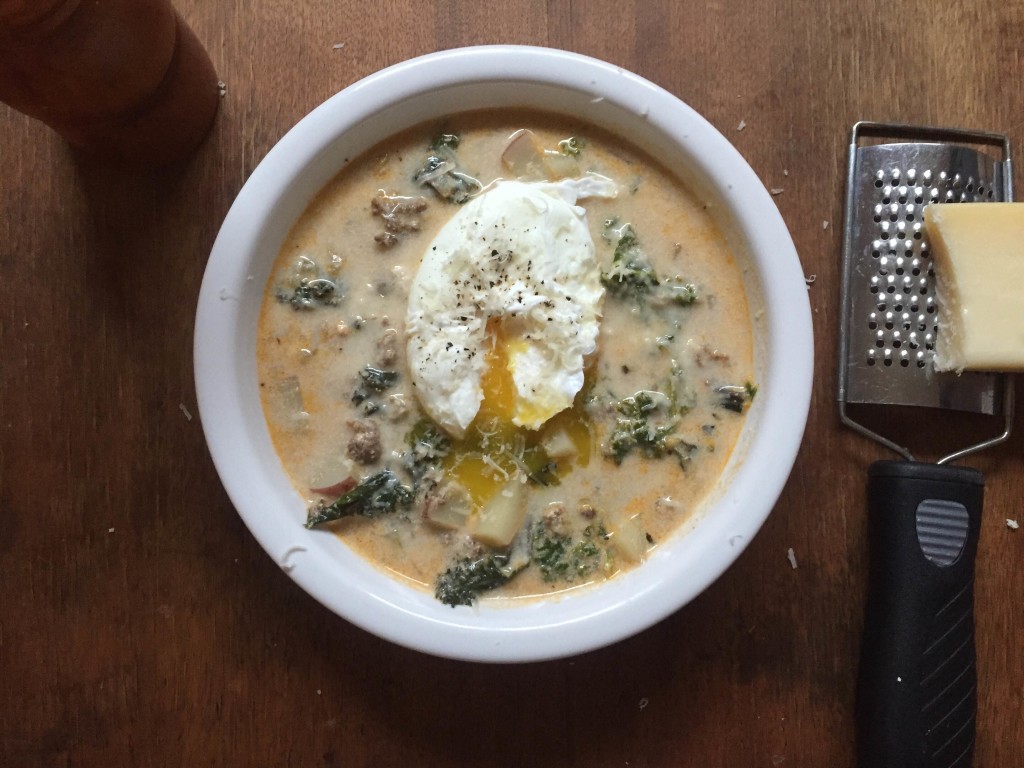
Heat a large soup pot over medium high heat. Add the onion and crumbled sausage, cook until the sausage is brown and the onions translucent. Stir in milk, half and half, chicken stock, potatoes, oregano, and red pepper flakes and bring to a boil. Immediately reduce to low and simmer for about 30 minutes, until the potatoes are tender. Season with salt and pepper. Add the kale leaves and simmer for another 15 minutes, until the kale is tender but not stringy.
To poach the eggs: It is important to poach the eggs one at a time to ensure an even cook and pretty outcome. Fresh, pasture-raised eggs make all the difference here. The eggs I get from JBG are delicious, and they come from one of two local farms - Fruitful Hill or Coyote Creek, but I digress... To poach: Crack one egg into a glass. Fill a saucepan just over half way with water. Add a splash of white vinegar. Bring to a steady simmer. Hold the egg-in-a-glass in one hand, while using a spoon to swirl the simmering water into a whirlpool with the other (the spinning water will force the white of the eggs to form into a ball.) With the water spinning, gently drop the egg in. Turn the heat down if necessary to keep the water at a steady simmer. Let the egg cook for 3 minutes, then remove with a slotted spoon onto a paper towel. Repeat this process with the rest of your eggs, and you can continue using the same water. Once drained, place your beautiful poached egg atop a bowl of soup and top with fresh cracked pepper and Parmesan cheese.