 0 ITEMS IN CART

WEEK 37 IN PHOTOS
09/11/15 — Farm
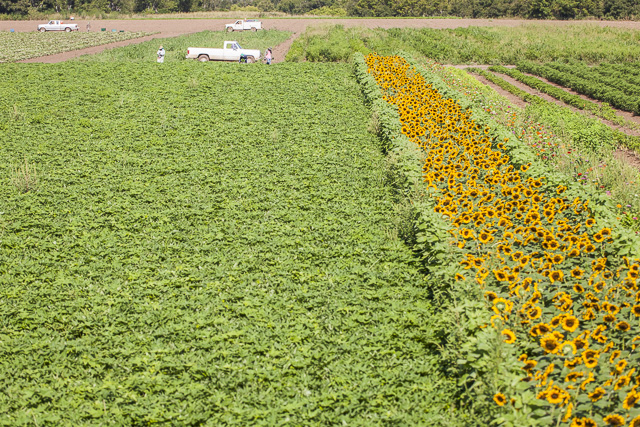 Scott captures an ariel view of our sunflowers and sweet potatoes. Photo by Scott David Gordon
I can't believe how great the farm looks these days! After all of the flooding this Spring, I was worried, but right now you would never know anything strange had happened. The fields are almost entirely planted for Fall and everything is growing like crazy. This week we're excited about the first harvest of green beans from our most recent planting. The cabbage and broccoli we've been transplanting is shaping up really nicely, and we have an abundance of fall greens, from Collards and Kale, to Mustards, Mizuna, and more. Thanks to Scott David Gordon for capturing this week in images!
 We harvested our first Green Beans from this planting this week. Photo by Scott David Gordon
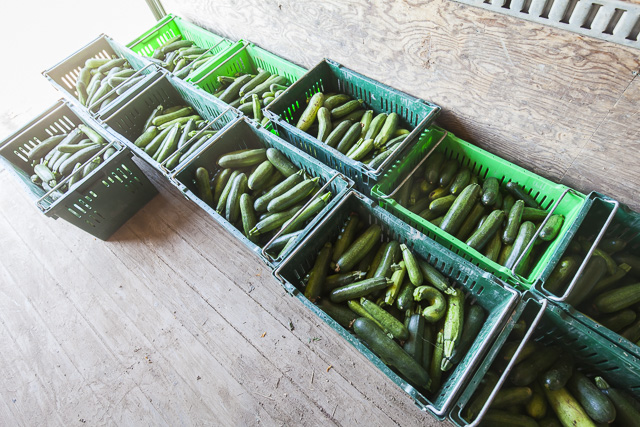 Zucchini harvest resting in the shade. Photo by Scott David Gordon
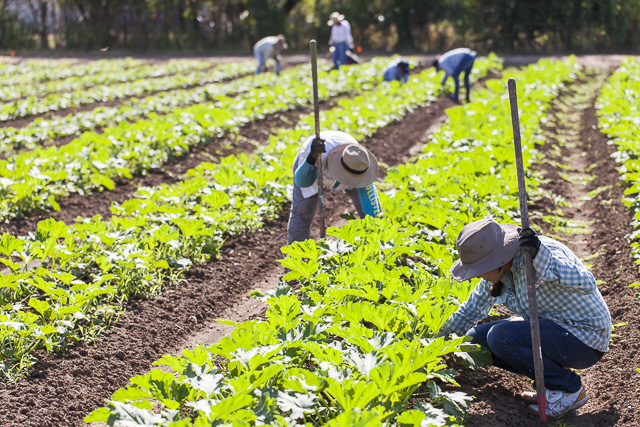 It's been nearly a year without plastic on the farm! Hand-weeding squash. Photo by Scott David Gordon
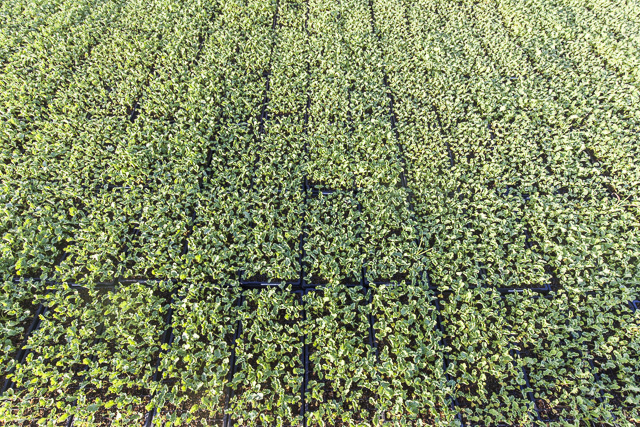 Kale transplants in the greenhouse Photo by Scott David Gordon
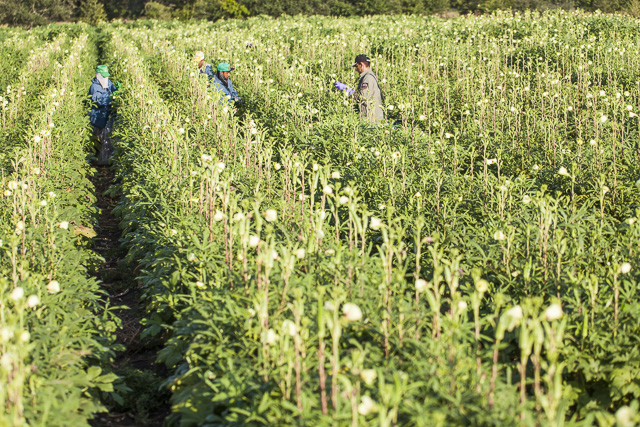 Tall okra plants during an early morning harvest. Photo by Scott David Gordon
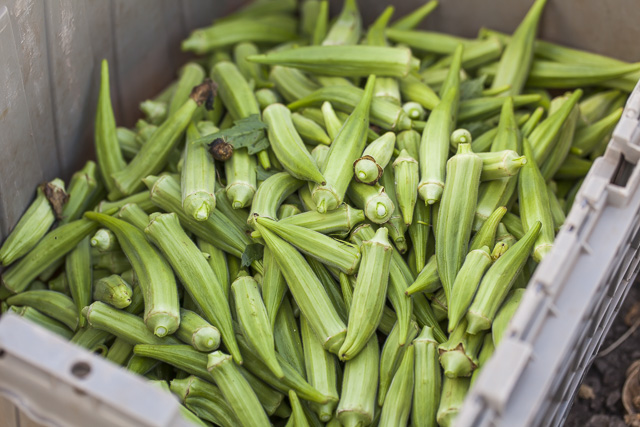 Okra. Photo by Scott David Gordon
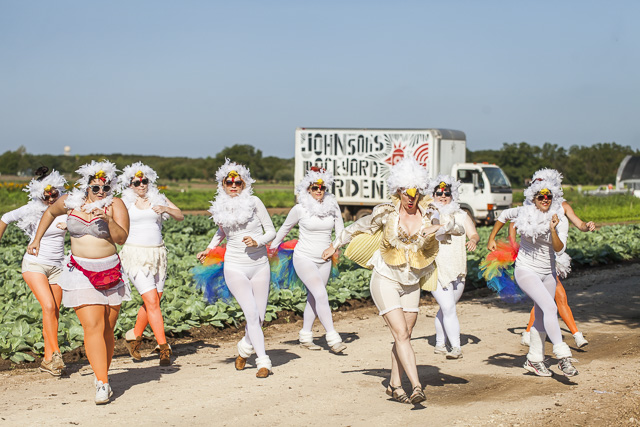 What was this flock doing on the farm? Filming for the next episode of Workout! By Erica Nix. Don't miss the video when it launches! Photo by Scott David Gordon
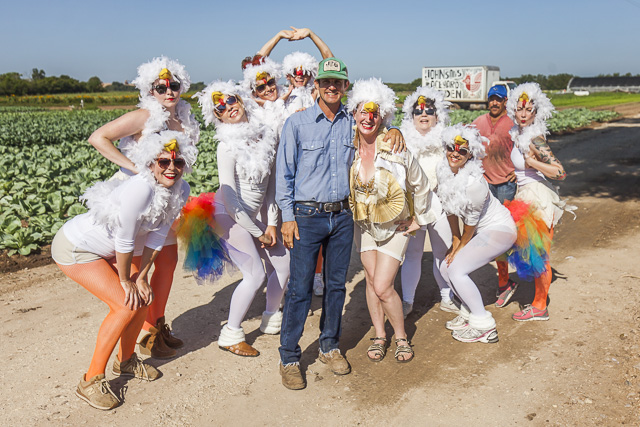 Thanks for coming out to the farm, Erica and crew! Photo by Scott David Gordon
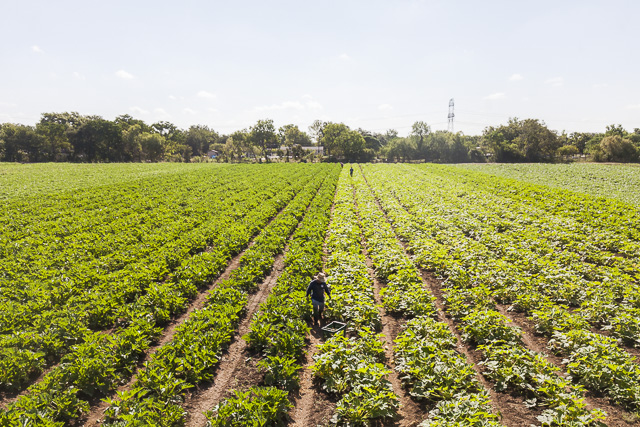 The fields are looking beautiful right now. Photo by Scott David Gordon
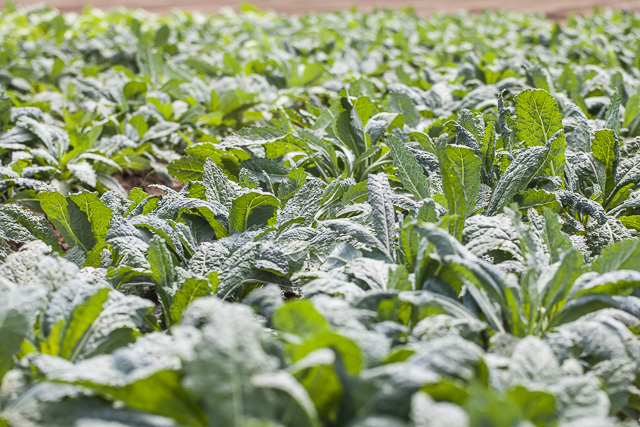 Lacinato kale. Photo by Scott David Gordon
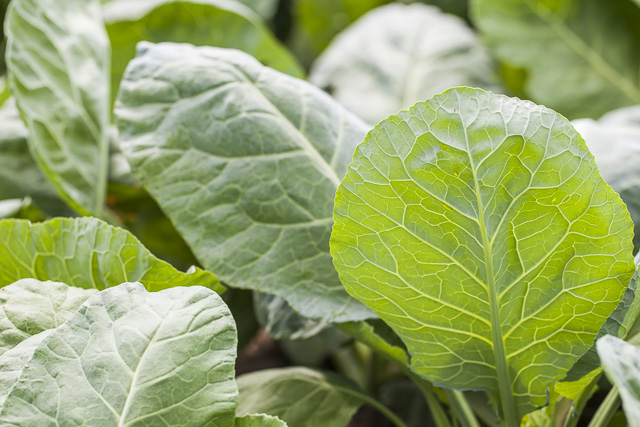 Young collards in the field. Photo by Scott David Gordon
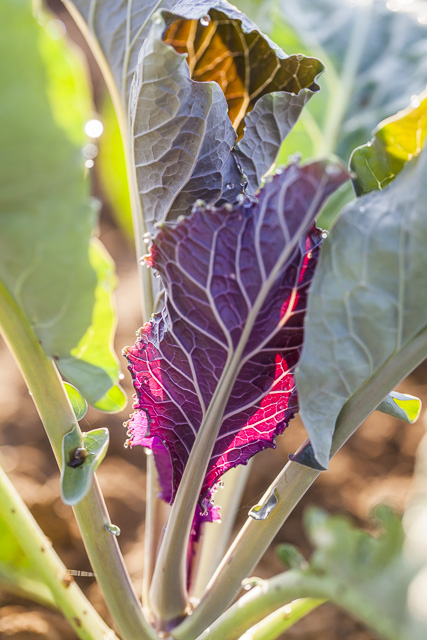 Red cabbage is growing nicely. Photo by Scott David Gordon
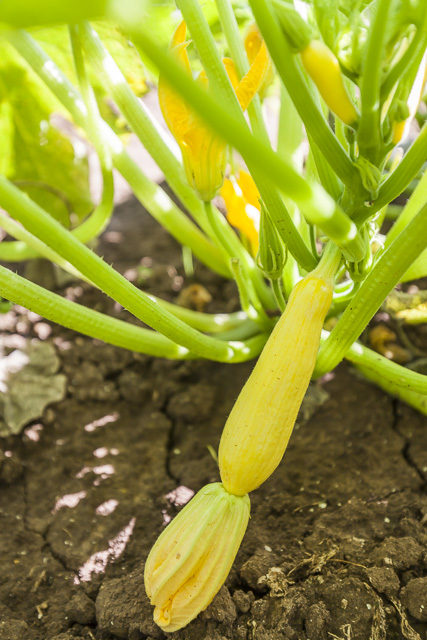 Yellow squash. Photo by Scott David Gordon
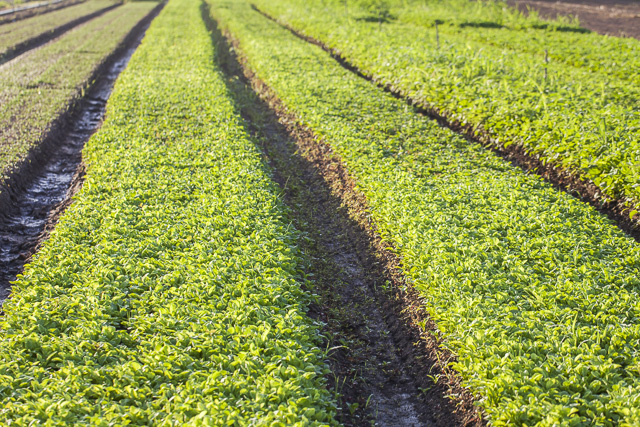 Baby greens. Photo by Scott David Gordon
 Cabbage is growing quickly! Photo by Scott David Gordon
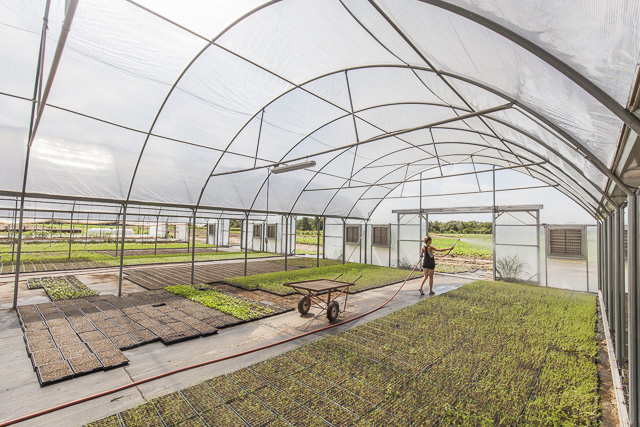 Adrienne watering in the greenhouse. Photo by Scott David Gordon
CSA BOX CONTENTS WEEK OF SEPT 7TH
09/08/15 — Scott
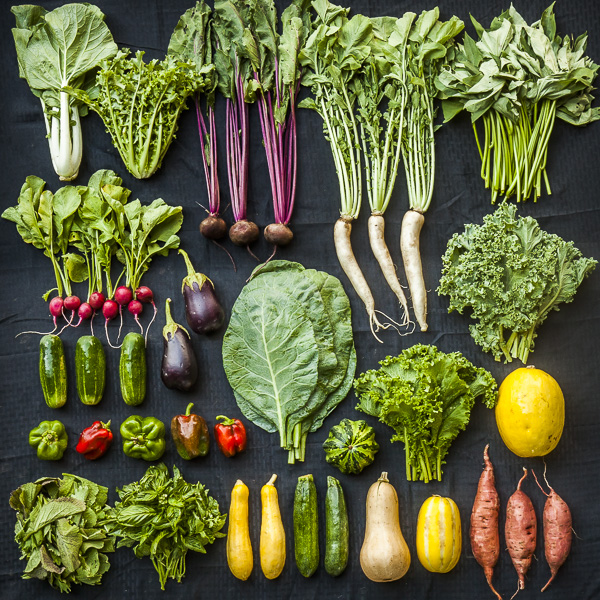 CSA Box Contents Week of Sept 7th
Beet, Red
Bok Choy
Cucumber, Pickling
Eggplant , Black
Greens, Collards
Greens, Kale, Curly
Herb, Basil
Lettuce, Endive
Okra
Pepper Bell, Green
Potato, Sweet
Squash, Butternut
Squash, Zucchini
Bok Choy
Eggplant , Black
Greens, Braising Mix
Greens, Collards
Greens, Kale, Curly
Herb, Basil
Pepper Bell, Green
Potato, Sweet
Squash, Spaghetti
Squash, Zucchini
Beet, Red
Cucumber, Pickling
Greens, Kale, Curly
Greens, Sweet Potato
Okra
Pepper Bell, Green
Squash, Patty Pan
Bok Choy
Greens, Collards
Pepper Bell, Green
Potato, Sweet
Squash, Zucchini
FRITTATA WITH SWEET POTATOES & GREENS
09/08/15 — Farm
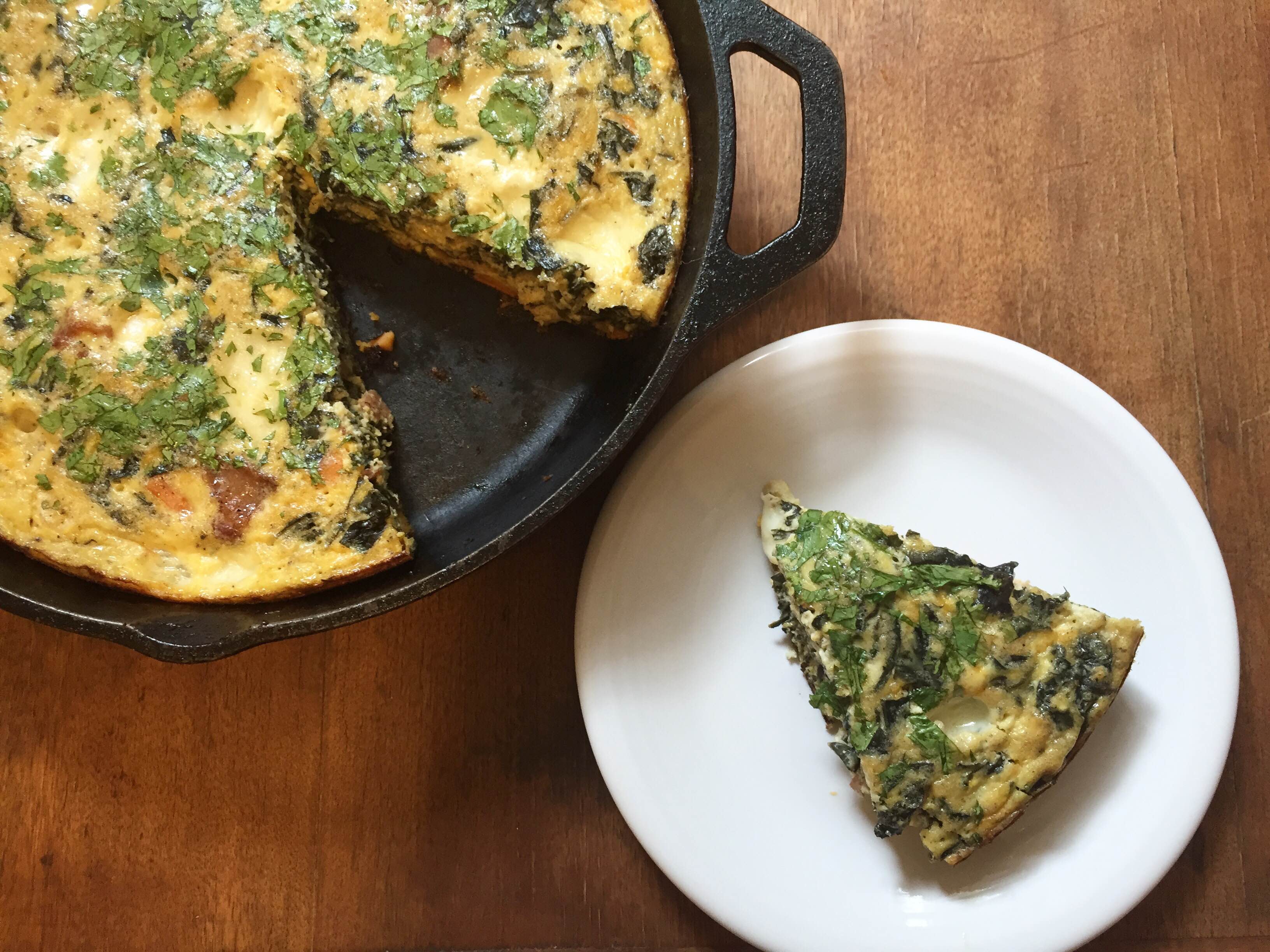
By Megan Winfrey
As I unpacked last weeks CSA box, I immediately recognized the large bouquet of leafy greens at the very top. I'd seen them used many times in my former life as a restaurant manager. Yes, I am talking about you, sweet potato greens. I remember the chef comparing them to spinach - one of my absolute favorite greens - so I couldn't wait to experiment. I thought a simple but delicious frittata would be the perfect introduction.
Frittata with Sweet Potatoes & Greens
- 8 eggs
- 1/2 cup of onion, diced
- 3 cloves garlic, diced
- 3-4 small sweet potatoes, cooked and chopped
- 1 bouquet sweet potato greens, chopped
- 3 slices of bacon, chopped (optional)
- 1/2 cup fresh mozzarella cheese, diced
- 1/2 cup cheddar cheese, shredded
- 1/4 cup cilantro, chopped
- 1/2 cup whole milk
- 2 tbs. olive oil or butter
- salt & pepper
Oil or butter a large cast iron pan and heat over medium. Add the onions and bacon and cook for about 5 minutes. Add the garlic, sweet potatoes, and sweet potato greens and cook until the greens are just wilted, about 2-3 minutes.
Crack the eggs into a bowl, add the milk, and beat until just combined. Do not over beat the eggs! This will make your frittata dense instead of fluffy.
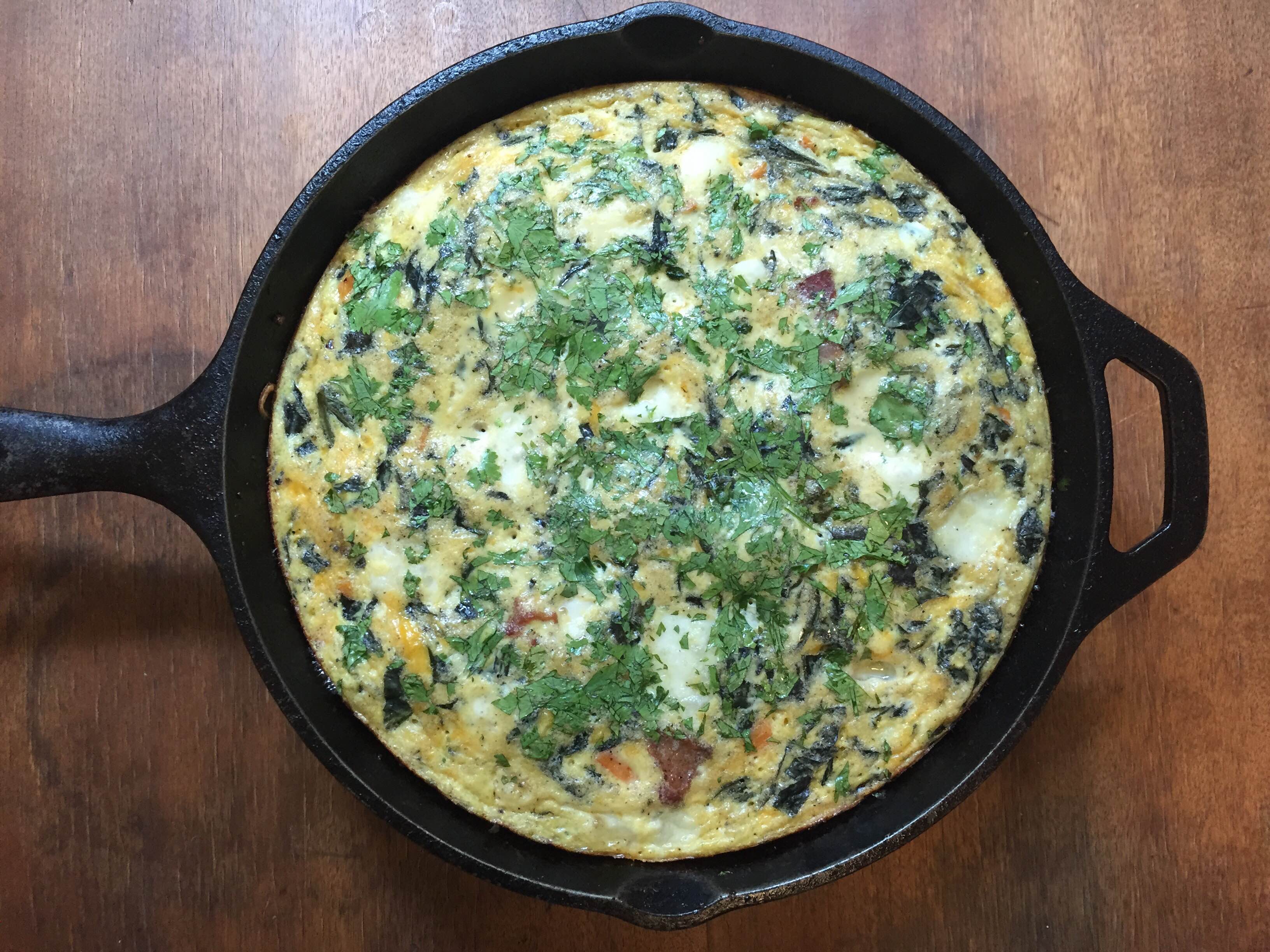
Pour the egg mixture into the pan, over the cooked vegetables and bacon. Stir in the cheddar cheese, salt & pepper, and strategically drop the mozzarella chunks throughout. Cook over medium heat until the edges begin to brown and the center starts to firm up. Sprinkle the chopped cilantro over the top before placing it in the oven.
Finish it off in a 350ºF oven for about 15 minutes, until the center doesn't giggle when shaken.
Let cool for a couple of minutes, slice it like a pie, and marvel at those ooey gooey mozzarella chunks. Enjoy!
FTFP: ORGANIC CERTIFICATION
09/04/15 — Farm
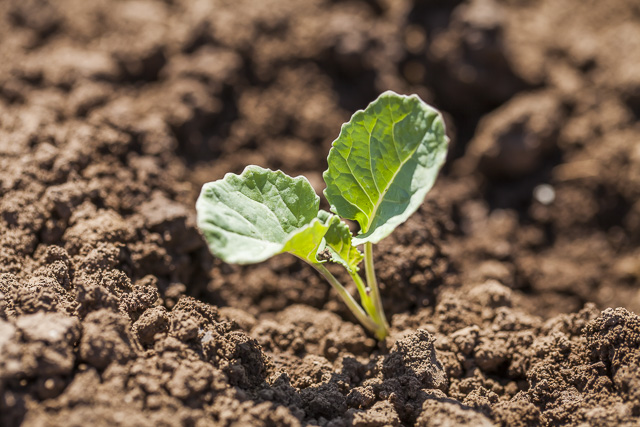 A young broccoli plant gets its start. Photo by Scott David Gordon
From the Farmer's Perspective: Organic Certification
Heads up: this week's blog post is a long one!
As we spend the weeks hurdling towards Fall on the farm, busily trying to finalize crop plans, purchase seeds, and get the fields prepared (how many hours in a day again?), we are also gathering our paperwork for a very significant day at the farm: our annual organic inspection and re-certification. This year, I thought it would be a good opportunity to tell the JBG community a little bit more about our growing practices at the farm, because "organic" can manifest itself in a number of different ways and I'm very proud of what we've accomplished here. It also dawned on me that you might not be aware of what an organic certification looks like, and we wanted to let you in on the process.When I first started in the backyard garden, I knew each and every one of my customers, and I didn't need a USDA seal to tell them about my growing practices. When I became a full time farmer in 2008, we made the decision to undergo our first organic certification, and man, am I glad I made that decision early on! The biggest lesson I've learned is that organic certification requires some meticulous record keeping - tracking all of your crops from seed to sale. Now that we're on 200 acres, that record keeping has gotten extremely complex, so I am grateful that our organic certification required us to develop our record-keeping systems early on.
We are certified organic Nature's International Certification Services (NICS), based out of Wisconson. Nature's International Certification Services. When our certifier comes for their annual farm inspection this Fall, we'll take them on a grand tour of JBG. This includes a field walk, facilities inspections, a look into where we store seeds, tools, amendments, soils, etc., and a sit-down interview where we review our 5 year Organic System Plan (OSP), our records from the previous year and plans for the coming one. We'll walk through an audit of a crop or multiple crops, tracking the vegetable from purchase of organic seeds, through our greenhouse and planting in the field, to weeding and pest management, to harvest and finally to the customer. Wow! We'll go into the details of everything from our buffer zones around the farm, to logo colors and placement on our CSA boxes. It's an extremely long and detailed process, but thanks to a hard working staff I know that we have all of our ducks in a row. For the large part though, the certification is looking for the following areas of our production system, with a few details on how we do it at JBG:
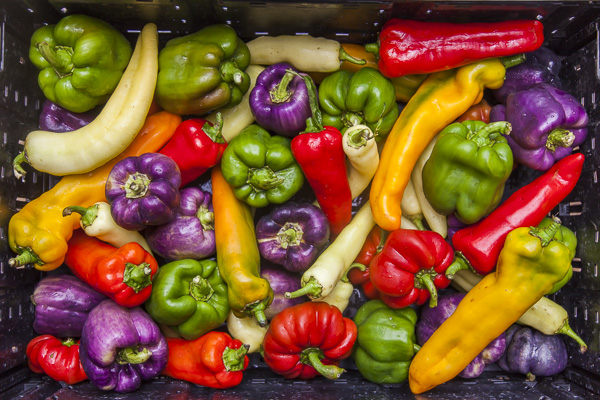 Pepper abundance. Photo by Scott David Gordon
1. Long-Term Soil Fertility through Ecological Methods
When we grow nutrient-rich food for you and your families, we're pulling a lot of organic matter and nutrients out of our soil! As organic producers, we don't use synthetic fertilizers on the farm, which can cause unintended ecological harm, but rather use natural materials and grow our own fertility:
- Crop Rotation: different types of vegetables take different nutrients from the soil. Our Kale will tackle your vitamins A and K requirements, while Tomatoes have you covered on vitamin C and biotin! We never plant the same crop twice in a row on the same piece of land, but we rotate our crops around the farm to ensure that we don't deplete our soil of any one nutrient.
- Cover Crops: Did you know that you can actually grow your own fertility? As part of our crop rotation system, we include blocks of cover crops, also known as "green manures," to build both soil fertility and microbiology. This mix of grasses and leguminous crops is planted specifically to be turned back into the soil when fully grown, enriching it with organic matter and nitrogen fixing bacteria from the legumes!
- Compost compost compost! We make sure to add a lot of compost back into our soil - we want to make sure our vegetables have everything they need to grow you the healthiest food! In addition to compost, we are also able to add harder-to-find nutrients into our soil by using things like crushed rocks, bones, or feathers (byproducts of the agriculture industry), and marine products that are byproducts of the fishing industry.
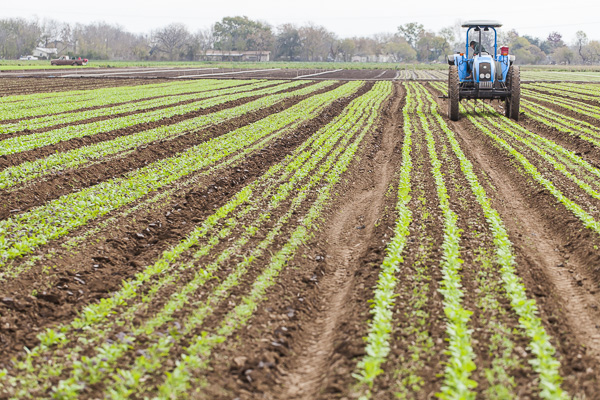 Tractor work at the farm. Photo by Scott David Gordon
2. Natural Pest Management
The general idea behind pest management at JBG, is that if you have healthy soil and are growing seasonally appropriate crops and varieties, your plants should be heathy and free of pests and disease! This isn't always the case though, and we use an integrated pest management (IPM) system to address our plant health on the farm.
- Attract predators: Have you seen our farm flowers yet? In addition to being a beautiful farmer's market buy, our farmscaping efforts have been attracting all kinds of great insects to the farm! In addition to pollinators like honey bees, flowering plants attract ladybugs to combat aphids, syrphid flies to attack thrips, and lacewings for pesky caterpillars! We like to let some of our fennel, parsley and arugula crops go to seed to help feed the good bugs as well. Finally, we installed bat houses on the farm earlier this year, a unique Austin solution to combating crop-eating bugs!
- Natural compounds: sometimes, in order to save a crop, we have to attack the pests ourselves. If you remember earlier this year, Temo injected a mix of rosemary oil and other natural herbal oils to our drip system to save our potatoes after a cool, damp Spring season! We use this method of organic-approved compounds as a last resort, since we don't want to hurt those beneficial insects as well.
- Physical methods: Our Head Grower, Temo, also came up with the great idea to vacuum bugs off of the crops this year! Have I mentioned how great Temo is at his job? Another physical method we use is our crop rotation - by growing a crop in a different area of the farm each year, we try to keep pests from finding it - like a grower's game of hide and seek. Our big plans for the future are to grow alternating years between two different farm locations, both to help break the pest cycle and increase soil fertility. This is also how we manage weeds on the farm -- lots and lots of physical labor. While we do use tractors to help us weed, a large majority is done by hand, by our hard working field crews!
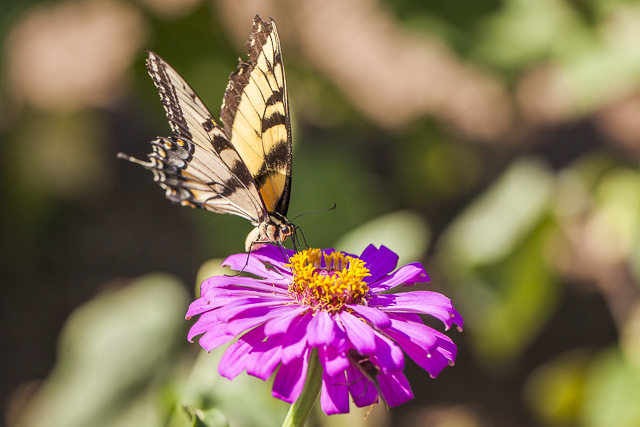 Scott captures a pollinator on one of our zinnias. Photo by Scott David Gordon
3. Biodiversity on the Farm and Surrounding Ecosystem
As a general rule, ecosystems that have more biodiversity - number of different plants, animals, insects, etc - are inherently more stable and healthy without additional inputs. We strive to achieve this at JBG in a number of ways:
- Diverse mix of crops: did you know that we grew over 250 different varieties of crops last year? While this leads to a lot of record-keeping, it also provides you and your family with a plethora of options in your CSA boxes!
- Farmscaping: Our flowering plants attract a huge variety of beneficial insects and pollinators to the farm, which also helps with pest management!
- Buffer zones and riparian areas: We maintain a 40 ft zone around the entire farm to avoid material drift, and to provide habitat for native plants and animals. In addition, we have a buffer around the waterways that run around and through our farm, which are host to a number of birds, bees, animals, reptiles, and more!
I've probably put some of you to sleep by now, too, but that's okay too. Either way, I hope to see you at one of our farmers markets this weekend!
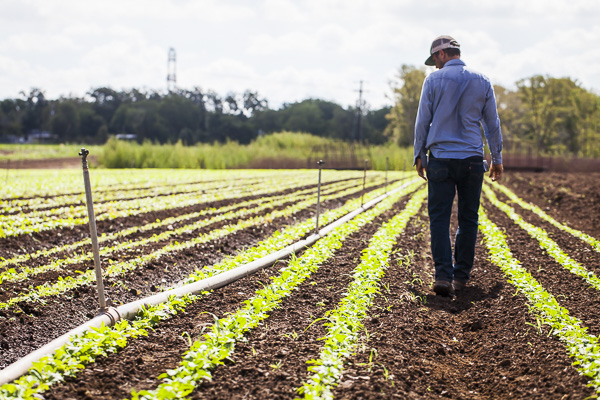 Brenton on a field walk. Photo by Scott David Gordon
FIRST FRIDAY STAFF PICKS
09/04/15 — Farm
- This version of While My Guitar Gently Weeps -- currently playing at the JBG Garfield offices
- Our barn crew having a moment with baby animals: here, here, here, and here.
- To eat: Mike Mo from our wholesale department has been eyeing steak with a side of JBG veggies from our friends over at Dai Due
- Current schemes: steal Brenton's VW bus, road trip to the FarmAid 30 Concert on September 19 (who's coming with?!)
- City folk just don't get it.
- The ABGB is hosting the biggest Barton Springs Pool Jump ever. And then a birthday party at the brewery! Happy birthday, guys!
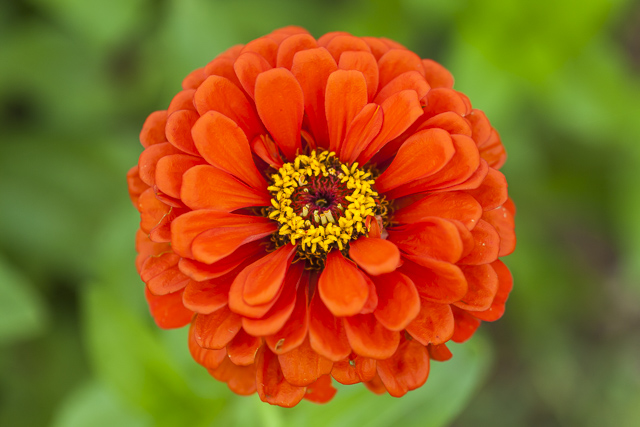 Photo by Scott David Gordon
WEEK 36 IN PHOTOS
09/04/15 — Farm
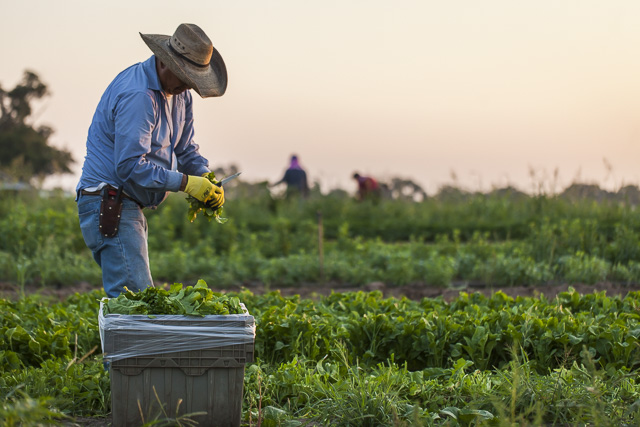 Arugula is coming in strong. Photo by Scott David Gordon
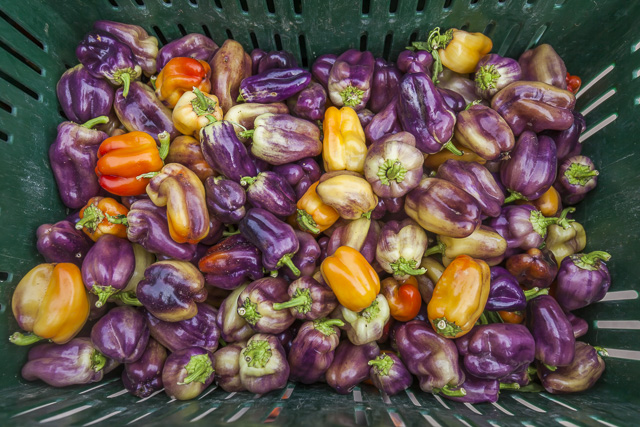 We're loving the colors of these Purple Bell Peppers! Photo by Scott David Gordon
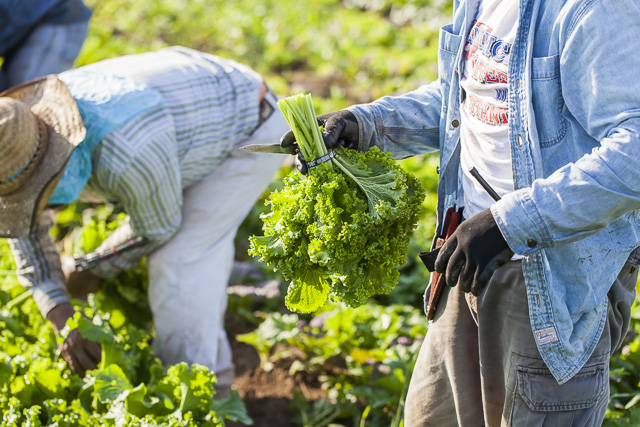 Green Mustard harvest. Photo by Scott David Gordon
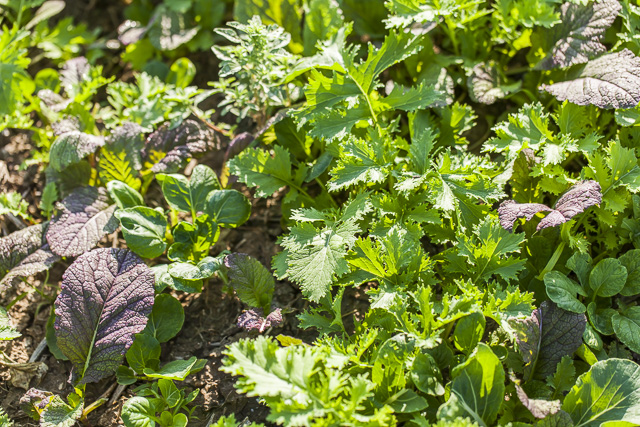 Young braising mix in the field. Photo by Scott David Gordon
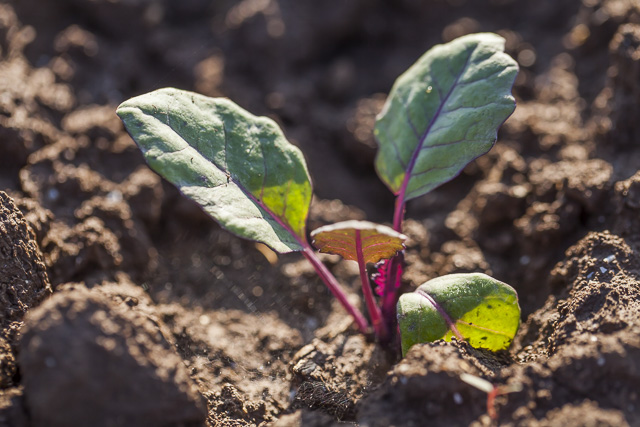 A newly transplanted Red Cabbage. Photo by Scott David Gordon
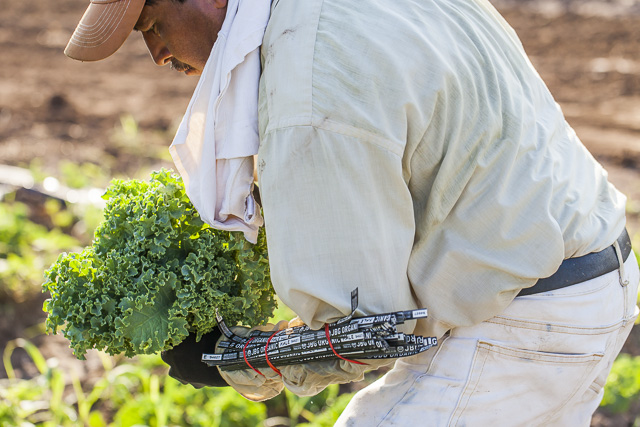 Kale harvest. Photo by Scott David Gordon
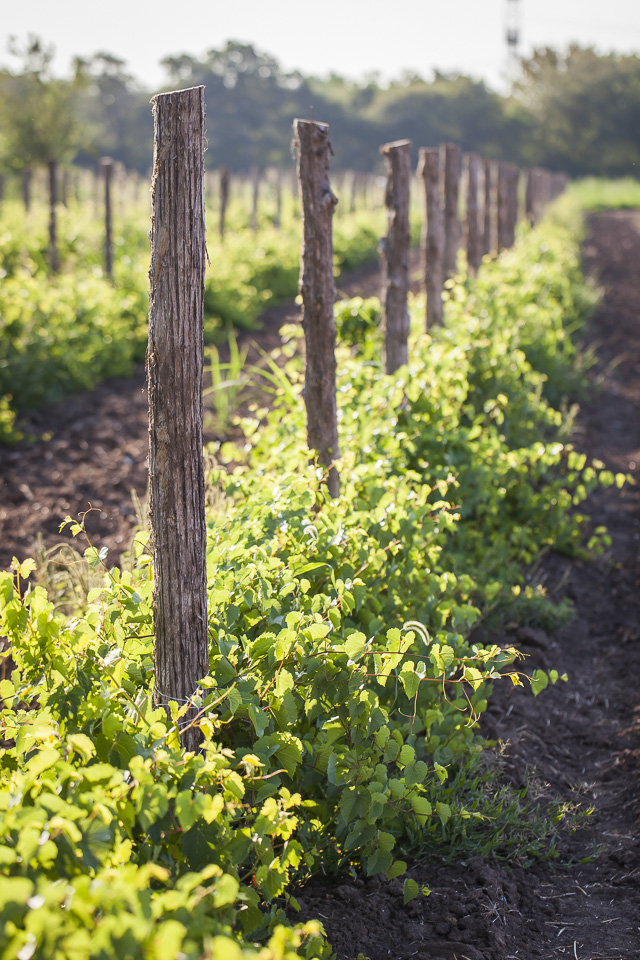 Our newly planted vineyard in the morning light. Photo by Scott David Gordon
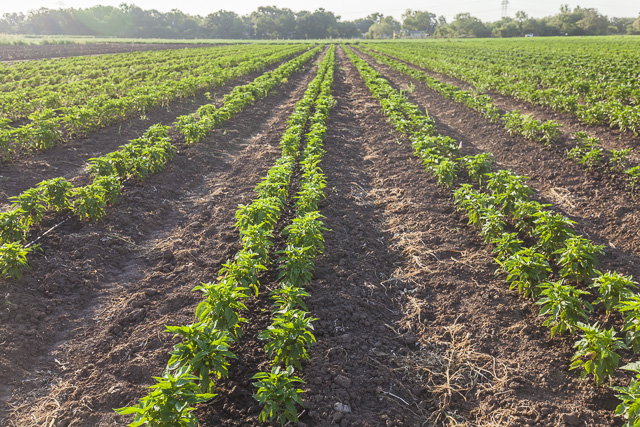 Field of peppers for fall. Photo by Scott David Gordon
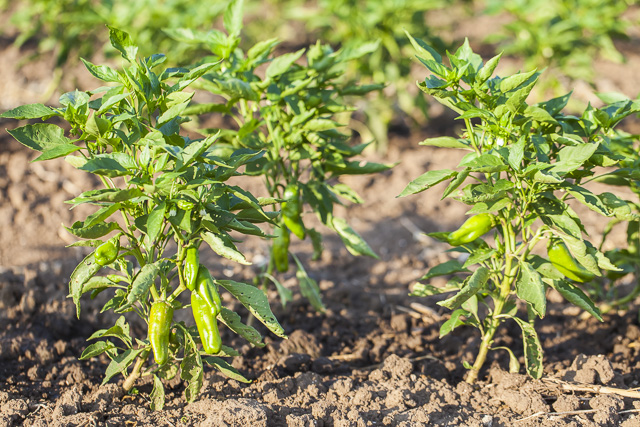 Sweet peppers ripening on the vine. Photo by Scott David Gordon
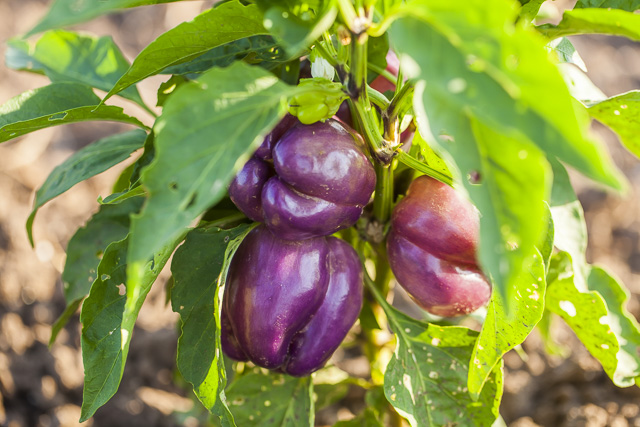 Purple bell peppers. Photo by Scott David Gordon
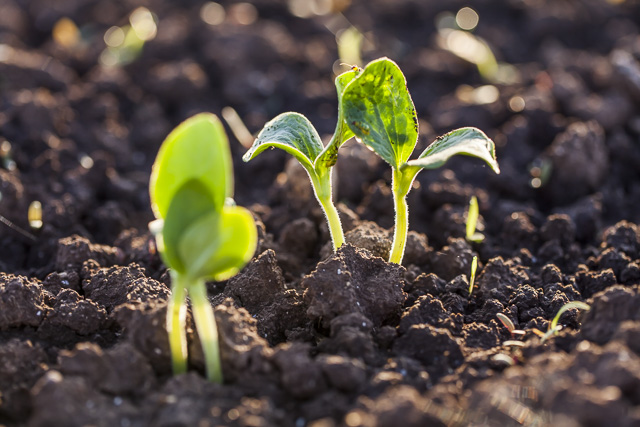 New seedlings will be melons before you know it. Photo by Scott David Gordon
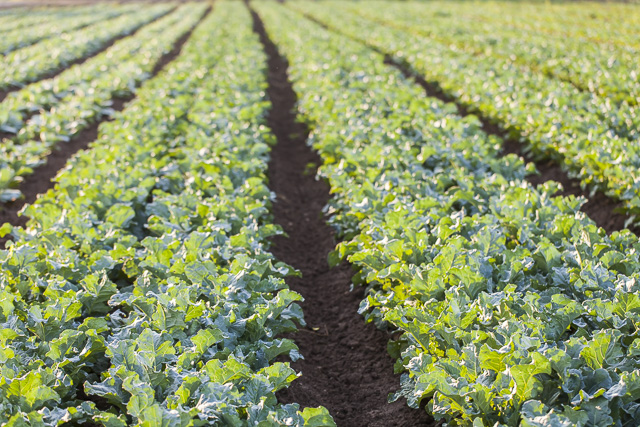 Our first round of Broccoli seems to be doing great. Photo by Scott David Gordon
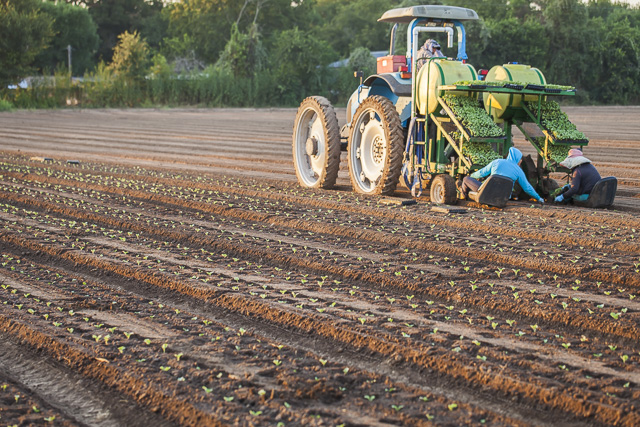 Newly planted fields. Photo by Scott David Gordon
 More flowers! Photo by Scott David Gordon
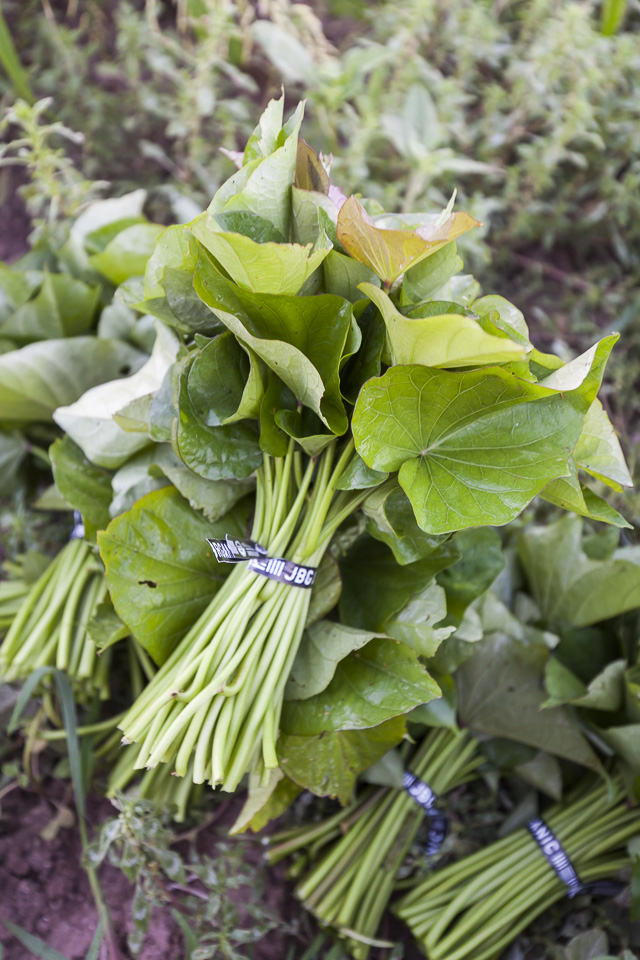 Sweet potato greens are looking great this week! Photo by Scott David Gordon
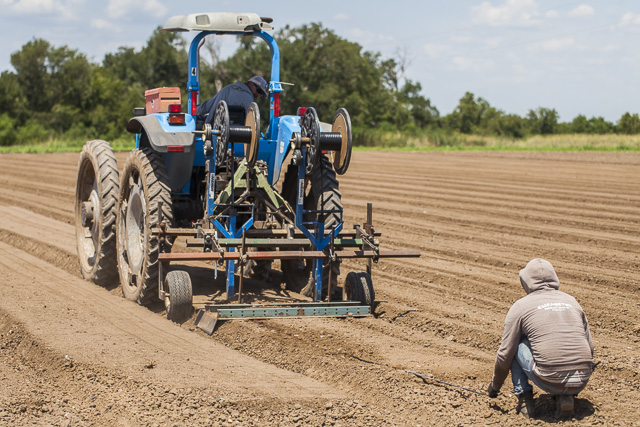 Laying drip tape on newly seeded beds. Photo by Scott David Gordon
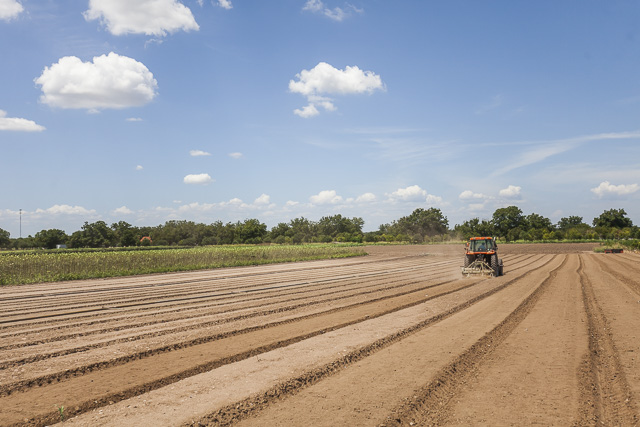 We're shaping beds for more Fall transplants! Photo by Scott David Gordon
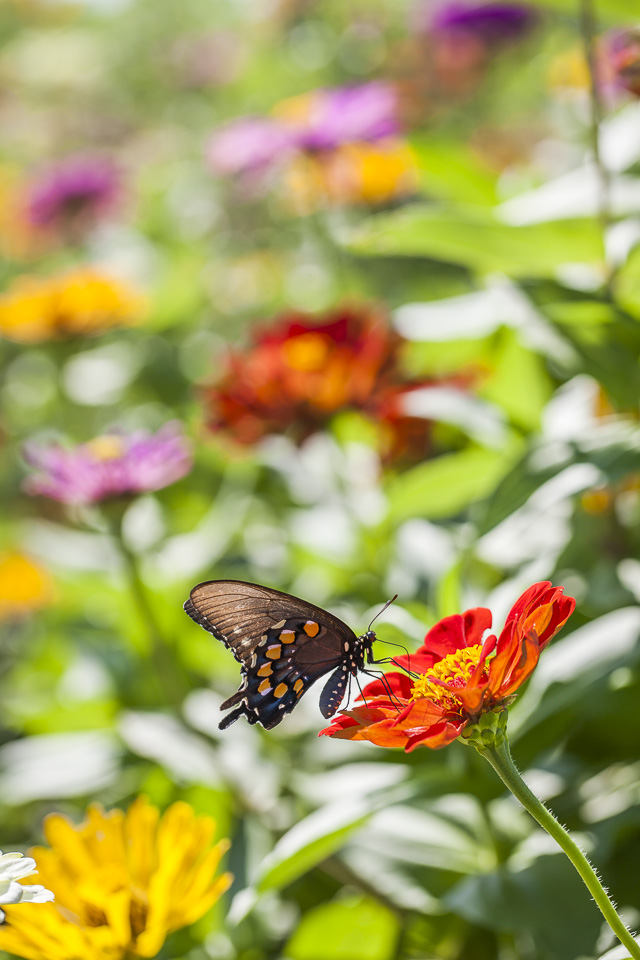 Photo by Scott David Gordon
COLD SOBA NOODLES WITH CRISP VEGGIES
09/01/15 — Farm
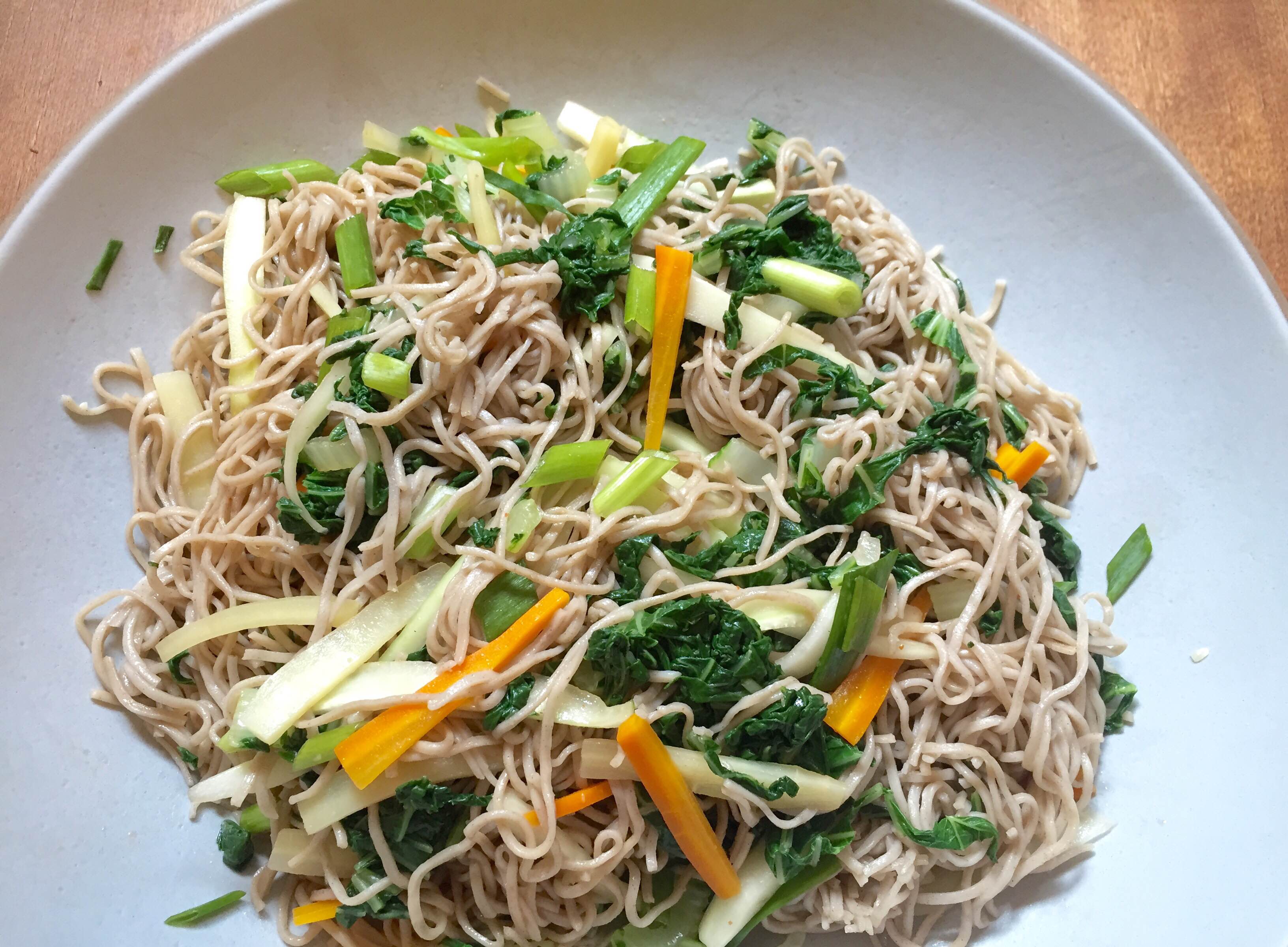
By Megan Winfrey
There was an exciting new addition to my CSA box this week - BOK CHOY! I've been trying to dabble more in Asian cooking lately (I made Chicken Tom Kha last week, so good) and knew I wanted to make a cold noodle dish. Nothing is more refreshing than crisp veggies & cold noodles with a tangy vinegar dressing. And talk about awesome leftovers. My husband and I have lunch for the next few days!
Cold Soba Noodles with Crisp Veggies
- 3 carrots, peeled and julienned,
- 1 cucumber, peeled, seeded and julienned,
- 1-2 heads of bok choy, cut into ribbons,
- 1 package of dried soba noodles (usually 1/2 lb.),
- 6 scallions, thinly sliced,
- 2 tbs. toasted sesame seed oil,
- 4 tbs. rice vinegar,
- 2 tbs. soy sauce,
- 1 tsp. hot sauce
Let the water come back up to a boil. Drop in the bok choy and blanch for 30 seconds, then remove with a strainer. Run under cold water, press out the water a bit, and add to the carrots.
Let the water come back up to a boil. Cook the soba noodles per the package instructions, usually 5-8 minutes for al dente. Strain the noodles, let cool, and add to the carrots and bok choy.
Add the scallions and cucumbers and gently toss everything together.
Whisk together the toasted sesame seed oil, rice vinegar, hot sauce, and soy sauce. Pour over the noodles and vegetables and toss until everything is coated.
This pasta can be served warm, if preferred, and can be refrigerated for up to 3