 0 ITEMS IN CART

WEEK 3 IN PHOTOS
01/22/16 — Farm
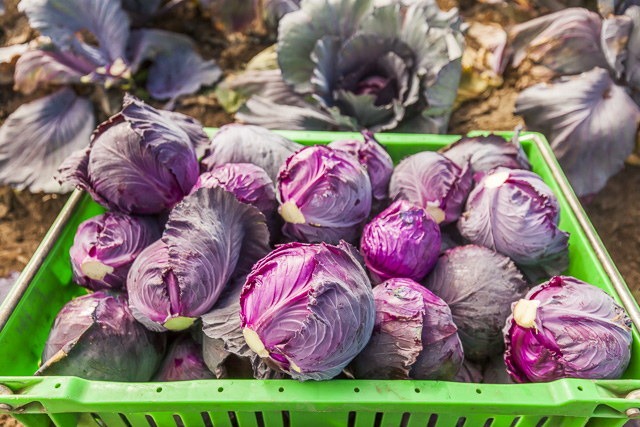 Harvesting red cabbage. Photo by Scott David Gordon
We are loving this warmer winter 2016 has brought! We're starting to plant for the spring season, putting in the first succession of cabbage, kale, leeks, broccoli and more. The greenhouse is bustling with activity, both seeding for the farm and for our Spring Transplant Sale, beginning March 5th. In the office, we're interviewing for new employees (check out our Jobs page to join the team at JBG!) and scheduling lots of citrus for new CSA members (haven't signed up yet? Our New Year's special for free citrus is still running!!)
As always, Scott has captured Week 3 in a beautiful set of images to share with you.
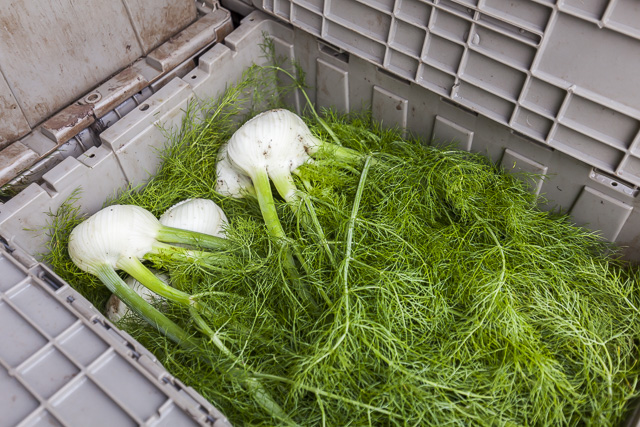 Fragrant bins of fennel. Photo by Scott David Gordon
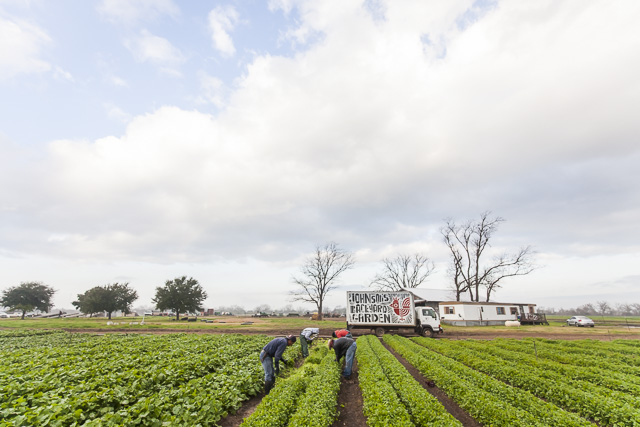 The blue skies have been absolutely beautiful at our Garfield Farm this week. Photo by Scott David Gordon
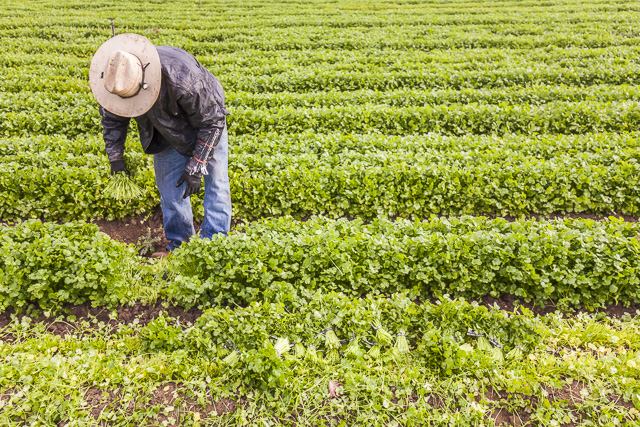 Harvesting cilantro. Photo by Scott David Gordon
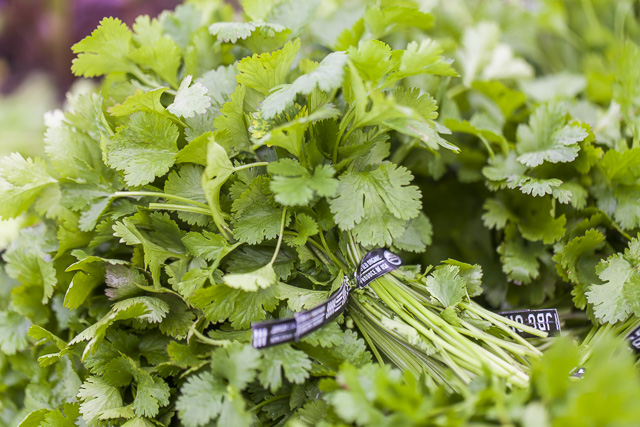 Photo by Scott David Gordon
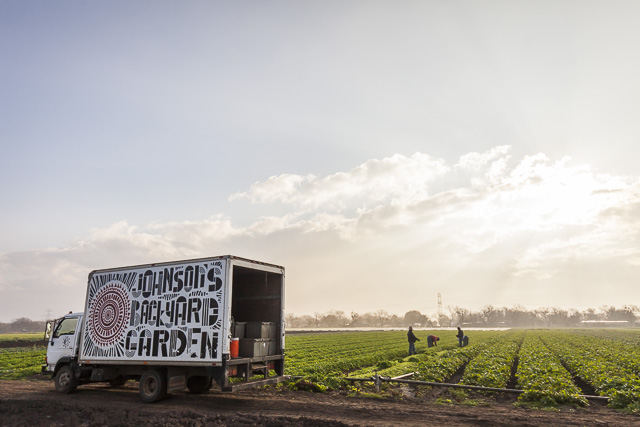 Photo by Scott David Gordon
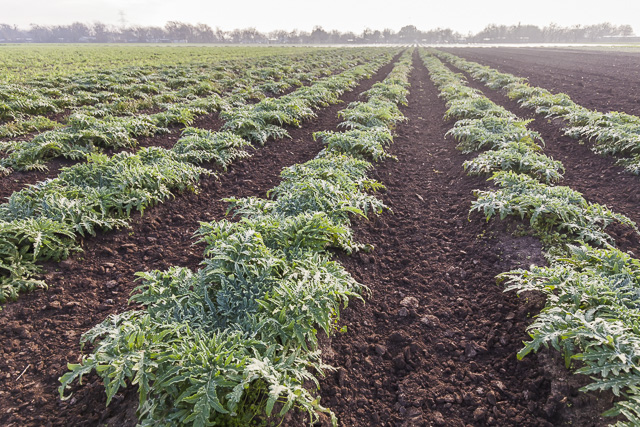 Artichokes are coming along! Photo by Scott David Gordon
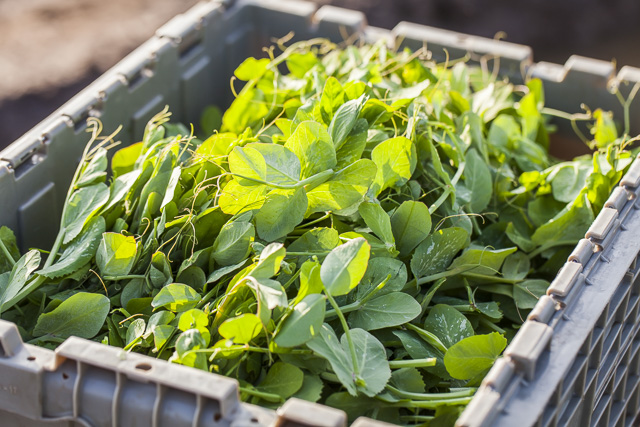 Pea tendrils are a sweet winter treat. Photo by Scott David Gordon
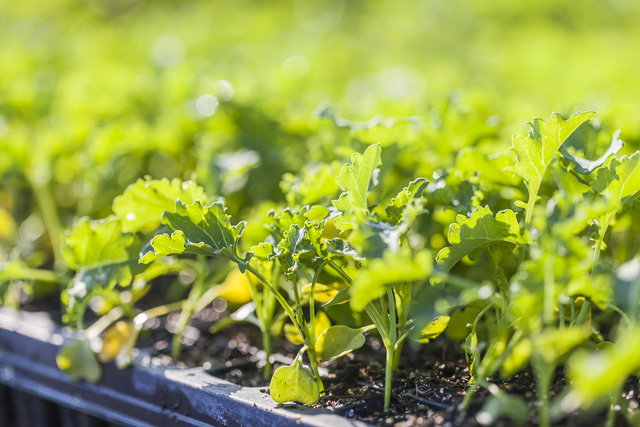 Our first succession of curly kale was transplanted this week. Photo by Scott David Gordon
 JBG's bed shaper in action. Photo by Scott David Gordon
 Photo by Scott David Gordon
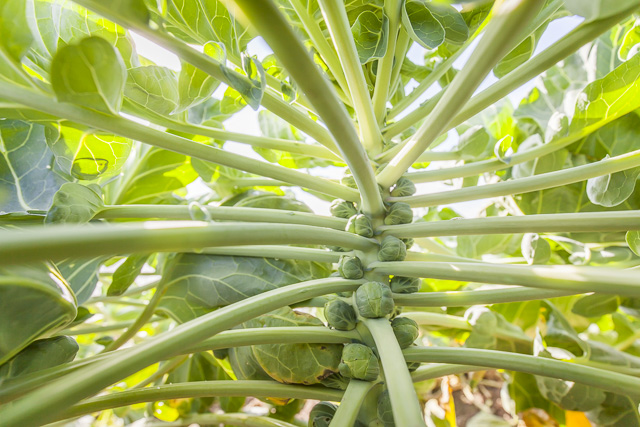 Brussels sprouts fresh on the stalk. Photo by Scott David Gordon
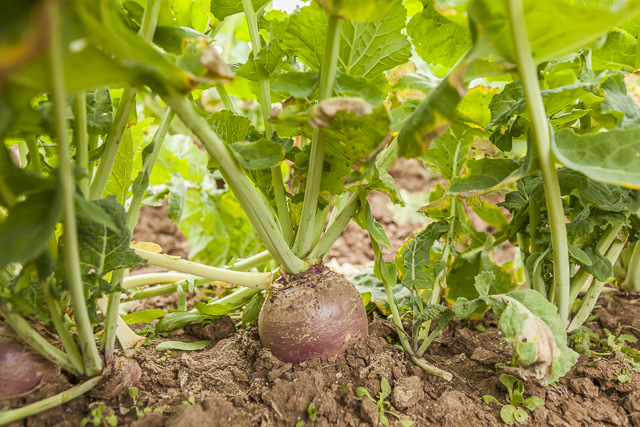 Rutabaga. Photo by Scott David Gordon
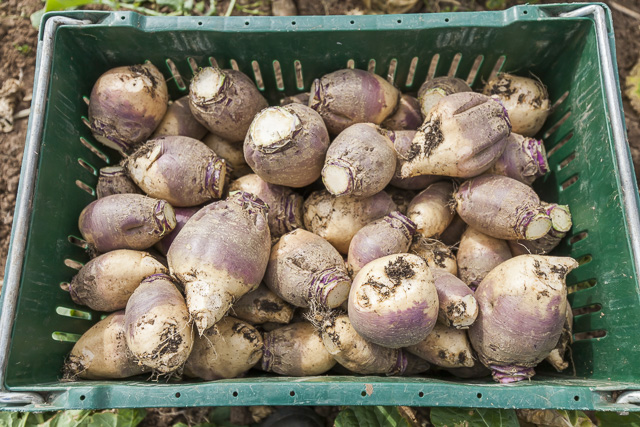 Not the most beautiful crop, but they sure are tasty! Photo by Scott David Gordon
ZESTY KALE CHIPS
01/20/16 — Farm
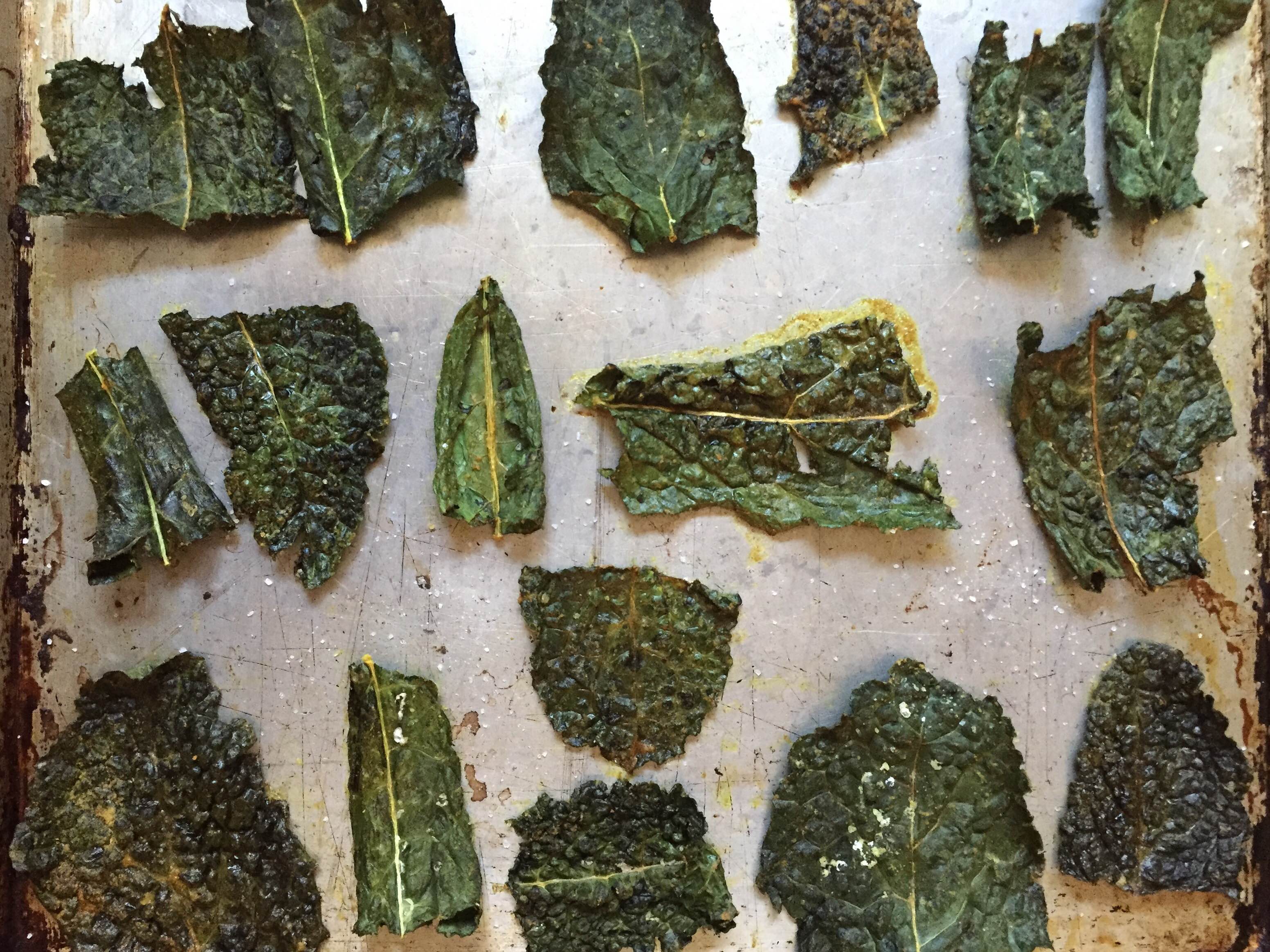 by Megan Winfrey
There are certain foods that never last long around our house. Cookies, and therefore milk, obviously. Grandma's Hummus, am I right? Wine, which isn't a food but totally counts as dinner. And Kale chips, which I'm unsure if my husband has even tried because I've consumed every single one I've ever made within the hour. When done right, these airy, crispy, robustly flavored little treats are so heavenly, you'll want to lick the pan you baked them on.
Zesty Kale Chips
- 1 bunch of Dino Kale, washed, stems removed
- 3 tbs. olive oil
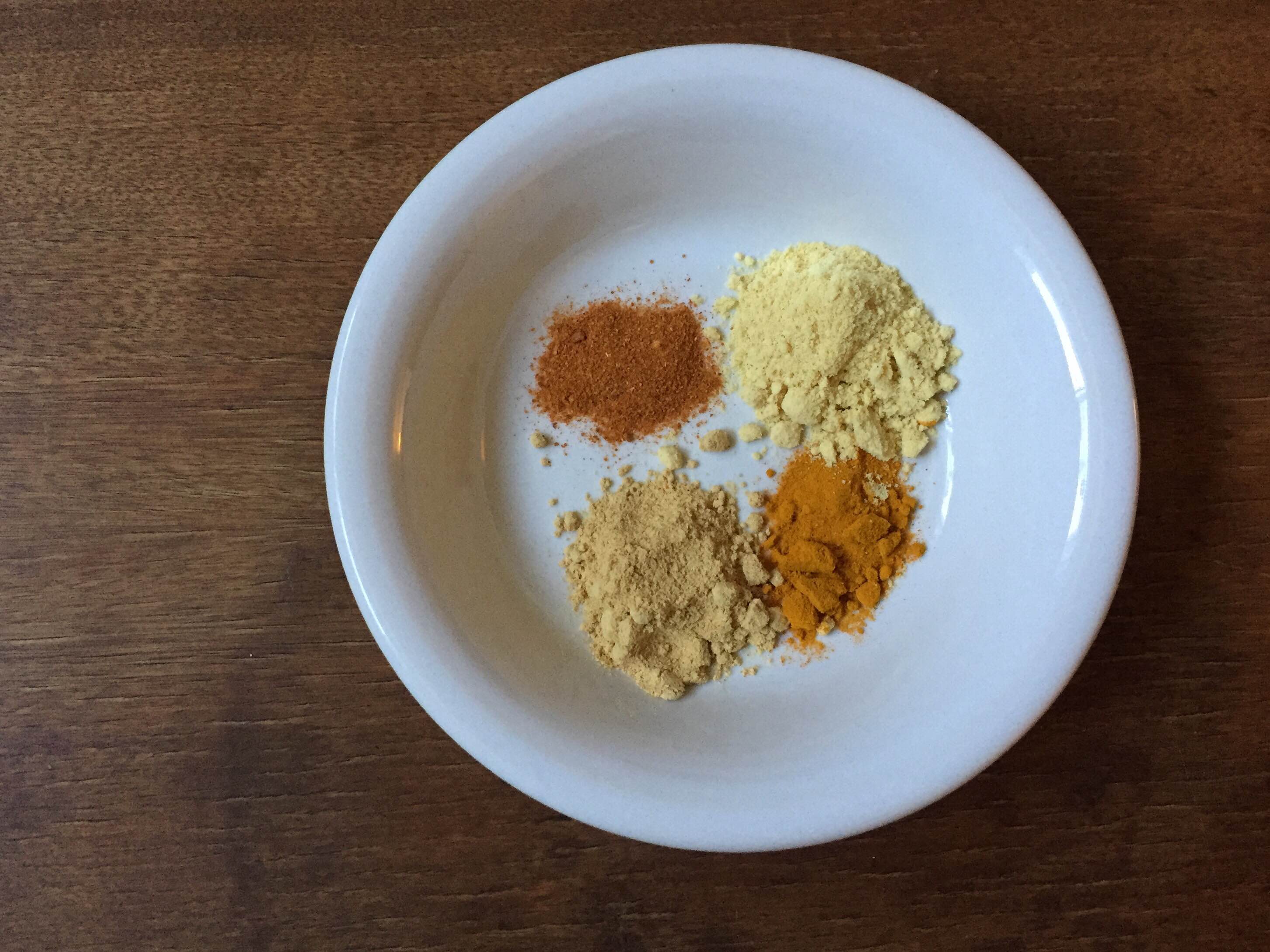
- 1 tbs. ginger
- 1 tbs. mustard powder
- 1 tsp. turmeric
- 1/2 tsp. cayenne
- 1/2 tsp. salt
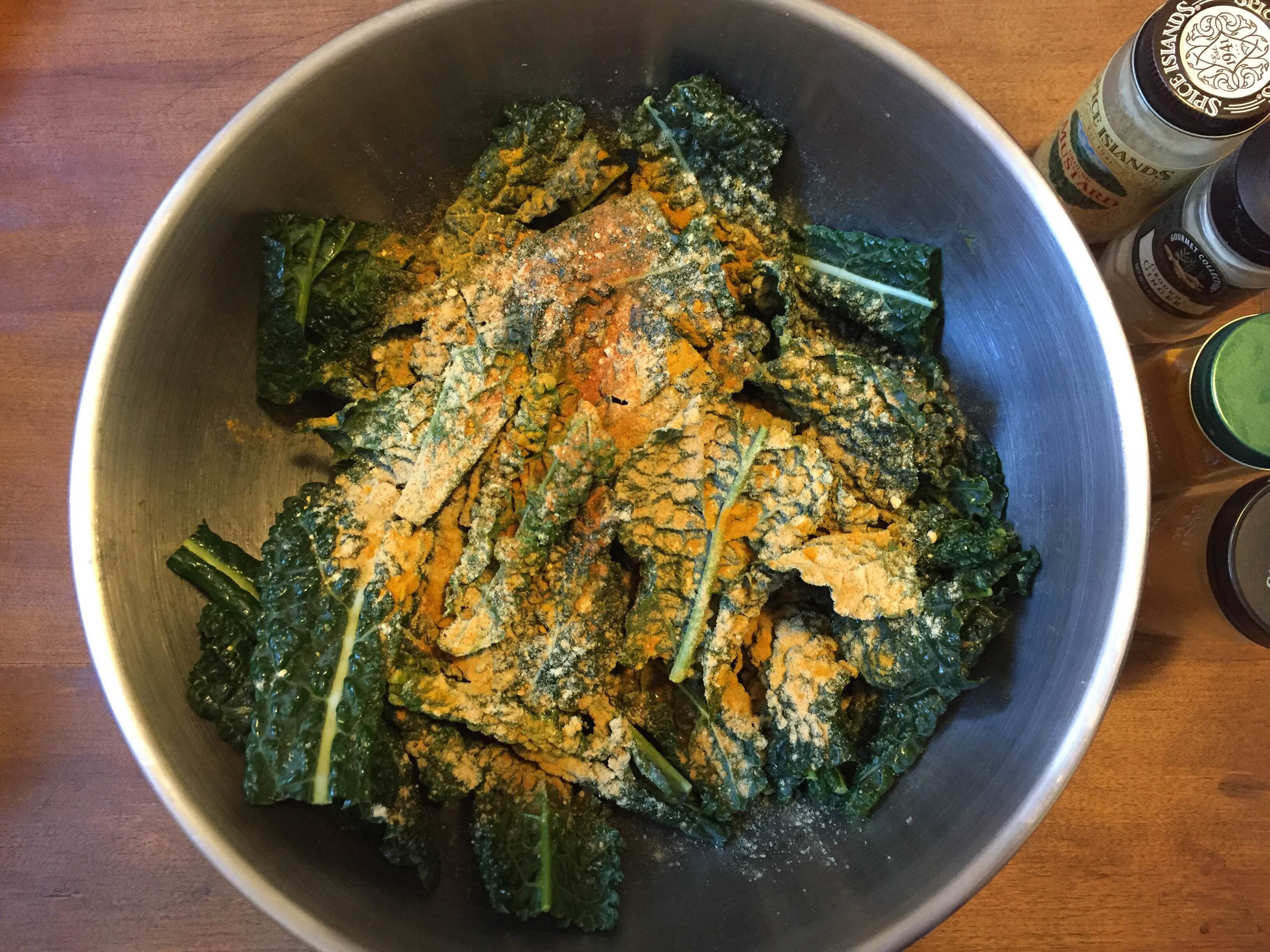 Cut the kale leaves into halves or thirds, depending on the size of the leaf. Transfer them to a large bowl. Add the olive oil and spices and massage thoroughly into the kale leaves. Try to distribute the spices as much as you can.
On 2 large sheet pans, line up the kale leaves so that they are close together, but not touching. They will crisp up very nicely as long as they aren't touching at all. Sprinkle evenly with salt, then bake for 50-60 minutes, until they are paper thin and will crumble if pressed down. Let cool, store in an airtight container, and try to save some for your loved ones.
CSA BOX CONTENTS WEEK OF JAN 18TH
01/18/16 — Scott
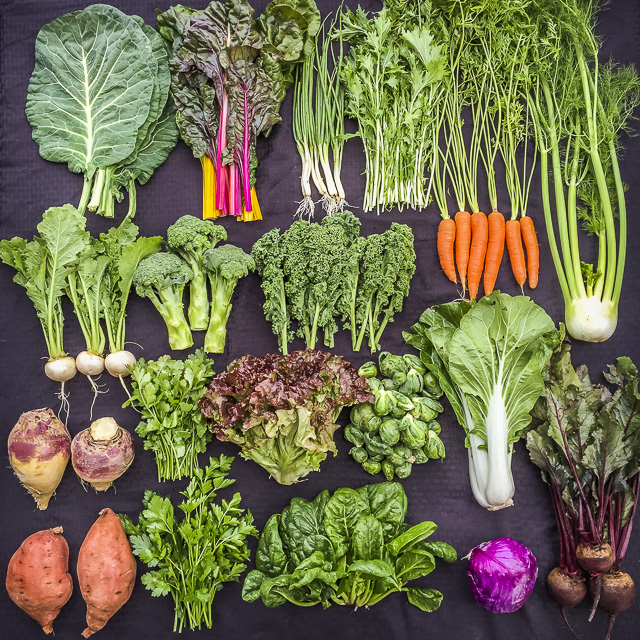 CSA Box Contents Week of Jan 18th
Large Box
Beet, Red
Broccoli
Cabbage, Red
Carrot, Rainbow
Greens, Chard, Rainbow
Greens, Collards
Greens, Kale, Curly
Herb, Cilantro
Lettuce, Red Leaf
Onion, Spring Red
Potato, Sweet
Turnip, Rutabaga
Turnip, White Japanese
Beet, Red
Broccoli
Cabbage, Red
Carrot, Rainbow
Greens, Chard, Rainbow
Greens, Collards
Greens, Kale, Curly
Herb, Cilantro
Lettuce, Red Leaf
Onion, Spring Red
Potato, Sweet
Turnip, Rutabaga
Turnip, White Japanese
Medium Box
Beet, Red
Brussels Sprouts
Cabbage, Red
Carrot, Orange
Greens, Collards
Greens, Kale, Curly
Greens, Salad Mix
Herb, Cilantro
Onion, Spring Red
Potato, Sweet
Beet, Red
Brussels Sprouts
Cabbage, Red
Carrot, Orange
Greens, Collards
Greens, Kale, Curly
Greens, Salad Mix
Herb, Cilantro
Onion, Spring Red
Potato, Sweet
Small Box
Broccoli
Cabbage, Red
Greens, Kale, Curly
Greens, Salad Mix
Greens, Spinach
Onion, Spring Yellow
Potato, Sweet
Broccoli
Cabbage, Red
Greens, Kale, Curly
Greens, Salad Mix
Greens, Spinach
Onion, Spring Yellow
Potato, Sweet
Individual Box
Broccoli
Greens, Collards
Greens, Spinach
Potato, Sweet
Scallions
Turnip, White Japanese
Broccoli
Greens, Collards
Greens, Spinach
Potato, Sweet
Scallions
Turnip, White Japanese
ALL HAIL THE CARROT
01/15/16 — Farm
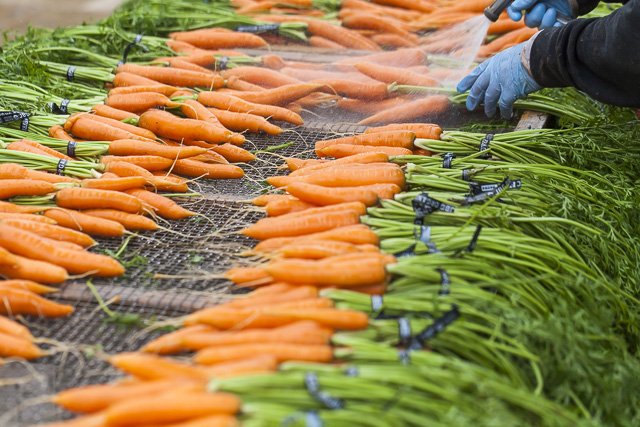
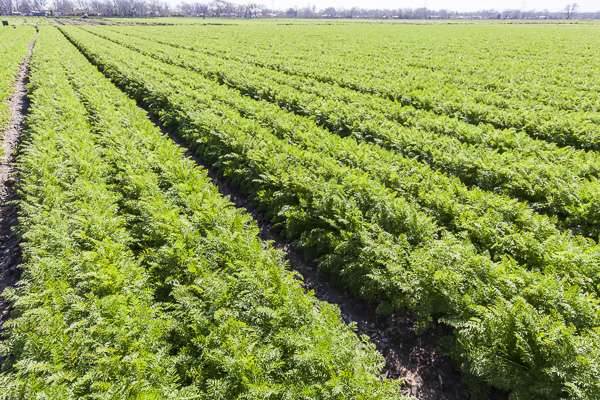
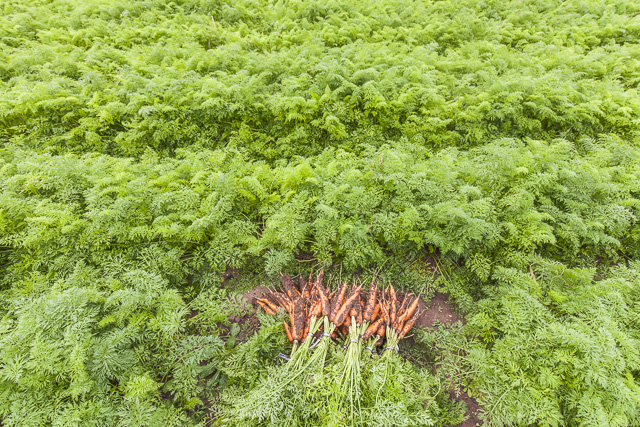
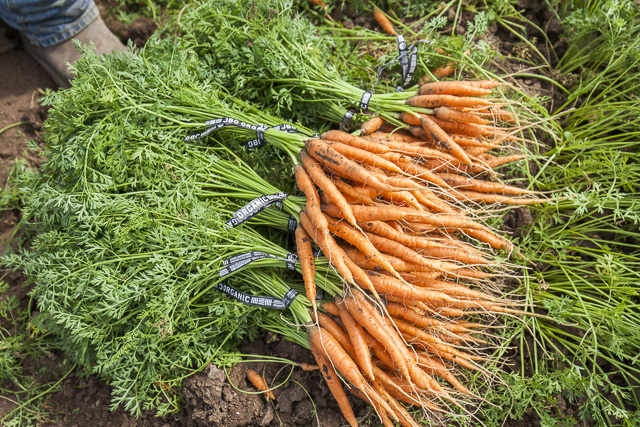
You like them. Your kids like them. Your farmers love em. We're eating carrots like they're going out of style at the farm these days, so this week on the blog, we wanted to shed a light on one of our favorite crops, Daucus carota. This crisp and crunchy taproot has a lot more to it than meets the eye (they're also great for your eyes), so read up, eat up, and enjoy!
Carrots: A Brief History
Wild ancestors of our modern-day carrots have been around for nearly 5,000 years. These carroty roots were woodier, bitter, and thinner than what we grow today, and grew wild in modern-day Afghanistan. And that bright orange root we're used to? Think again - the original carrots came in a variety of colors - purple and yellow were prominent, but black, red and white carrots were also consumed. You read that correct - no orange at all! As early farmers bred these plants for plumper and tastier roots, seeds were also traded to other growing civilizations - images of purple carrots adorn the tombs of some ancient Egyptian pharaohs!
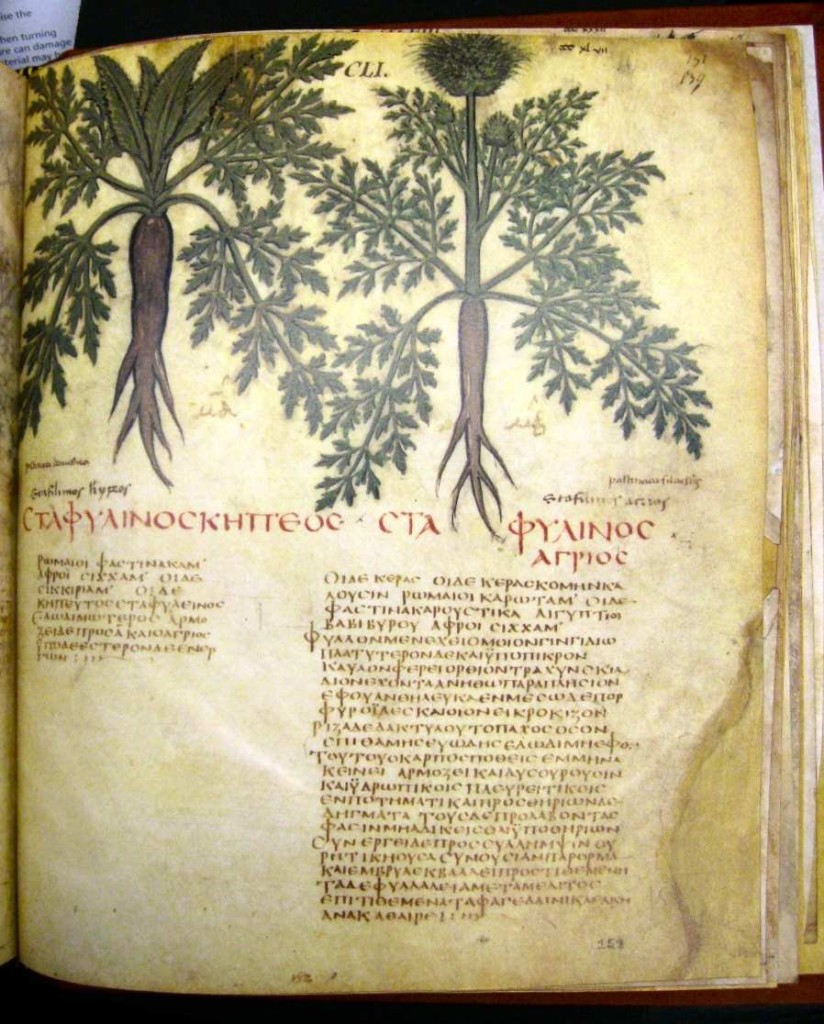 7th century depiction. Courtesy of the World Carrot Museum
Carrots reached Europe by the 13th century, and were often prescribed as a medicinal plant, used as an aphrodisiac and for numerous ailments, including animal bites. By this time, the cultivated carrots were most often red, yellow, and purple, and closer in shape and size to the carrots we are familiar with today. The first appearance of an orange carrot was in the Netherlands in the 16th century, around the time that William of Orange led the Dutch revolt against the Spanish empire. Dutch carrot farmers had bred a hybrid of the carrot with a bright orange color due to high levels of beta-carotene, and with the formation of a new Dutch empire, the variety became wildly popular and widely grown in honor of the House of Orange (or so they say). Bet you never guessed your favorite veggie had a political agenda, did you?
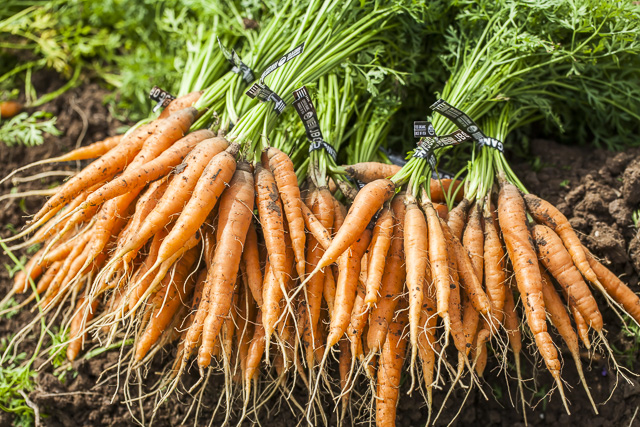
Why are they so important?
Aside from their beauty and great taste, carrots have a lot to offer to growers and consumers. They are quite the nutritional powerhouse - just 100g of carrots (or, 2 large carrots) contains over 100% of your daily vitamin A and is also a good source of vitamins K and B6 in only about 40 Calories! The carotenoids in carrots are potent antioxidants, helping your body fight damage on a cellular level.
From a farmers perspective, carrots are a wonderful crop. They thrive in cooler temperatures, are fairly resistant to pests and disease, and are a great storage crop. Farmers and homesteaders have relied on the storage life of carrots for hundreds of years, especially in colder climates, to keep their families fed during the cold months. Frosts increase the sugar content of carrots, which means that right now in Texas is one of the best times to be eating these tasty treats!
Fun facts:
- The Indo-European root ker- refers to the similarities in shape between a carrot and a horn (the originals were white, remember?)
- Carrots and parsnips were often called by the same name - the first record of a parnsip wasn't until 1753
- Mel Blanc, the voice of cartoon character Bugs Bunny, reportedly did not like carrots.
- Think "baby carrots" are just a fun mini variety? Think again.
JBG Carrots Around Town:
We've got two exciting carroty projects in Austin coming up. Our friends at Tacodeli have a very special taco release coming up this Tuesday. We can't talk details, but there might be a rainbow of a special root veggie in there. Stay tuned!
JBG's carrots are also going to be feeding Austin ISD students this semester. Today, students at Brooke Elementary will be eating locally grown, organic carrots on their salad bar. We hope to tune you in to future AISD features and want to thank them again for supporting their local farmers!
Things to Do with your Carrots:
- Roasted Honey Rosemary Carrots
- Carrot Black Bean Tacos with Carrot Top Chimichurri
- A Simple Carrot Soup
- Carrot, Sweet Potato, Almond Cookies
- Carrot Tangerine Turmeric Juice
...and things not to do with your carrots:
We don't recommend using your carrots to smuggle drugs. Creative, maybe, but what a waste of a good crop of carrots!
Now that we've told you what we have to say, it's your turn! What do you love about carrots, and what's your favorite way to eat them at home! Leave us a comment below!
WEEK 2 IN PHOTOS
01/15/16 — Farm
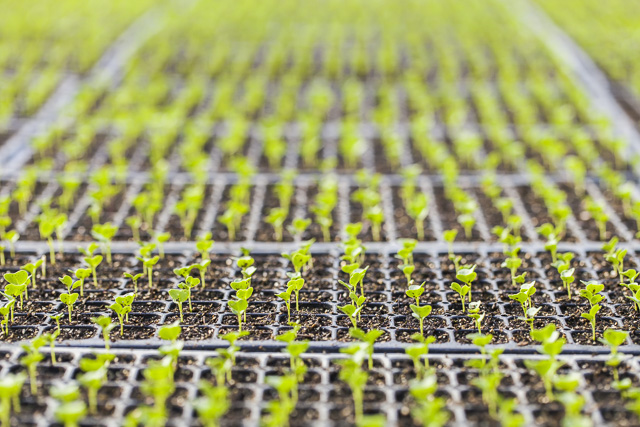 See you on February 27th for the annual Transplant Sale! Photo by Scott David Gordon
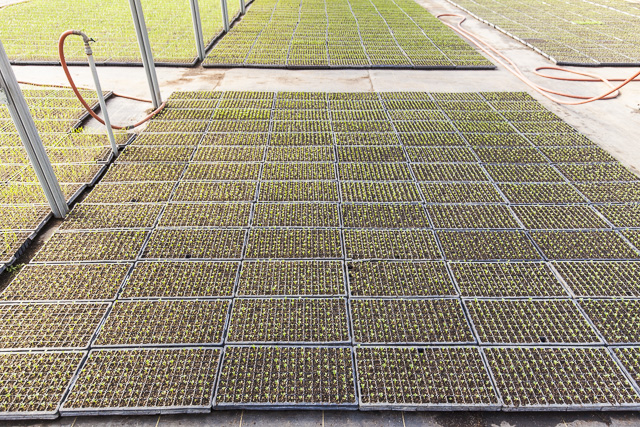
Another beautiful week on the farm gone by! We're keeping busy seeding plenty of crops for Spring, as well as for our annual Transplant Sale coming up on March 5th. With this mild winter, our crops are faring incredibly well, and we've got a plethora of your favorite winter greens, roots and more headed to our farmers markets this weekend. Thanks to Scott as always for taking these beautiful images on the farm this week! Hope you enjoy.
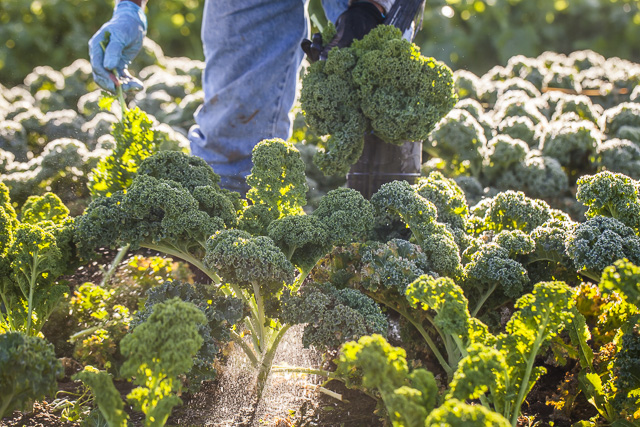 A dewy morning kale harvest. Photo by Scott David Gordon
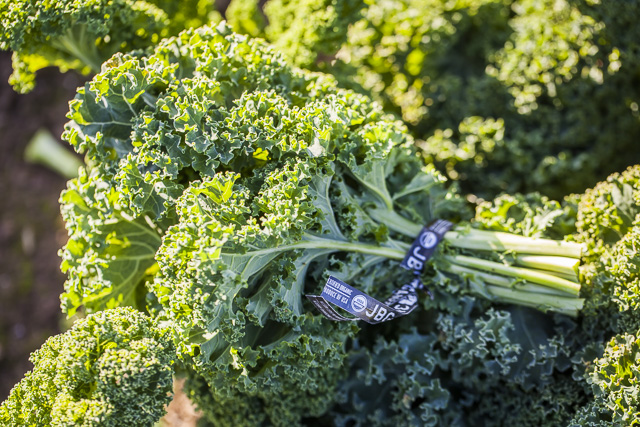 Kale. Photo by Scott David Gordon
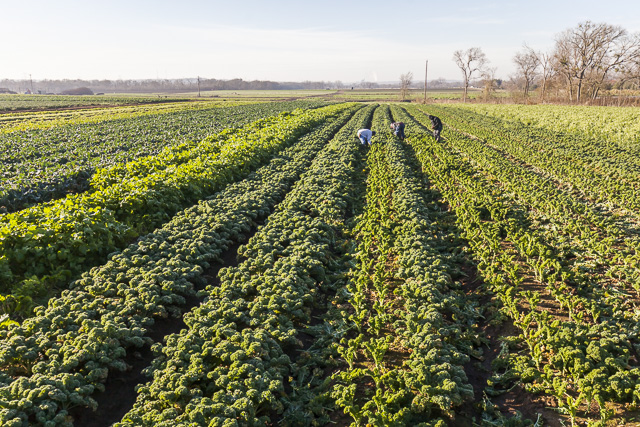 Who likes kale? Photo by Scott David Gordon
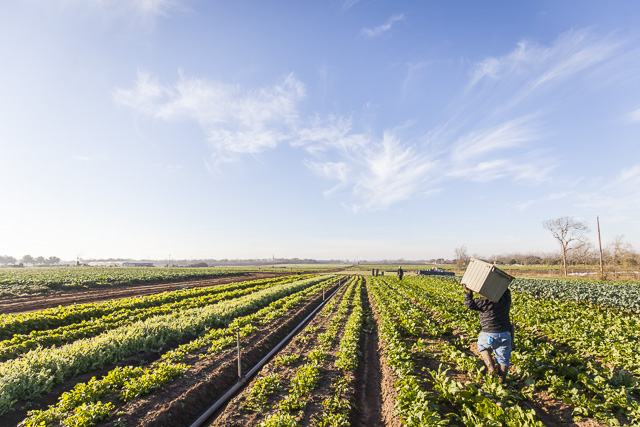 We've loved the blue skies in Austin this week. Photo by Scott David Gordon
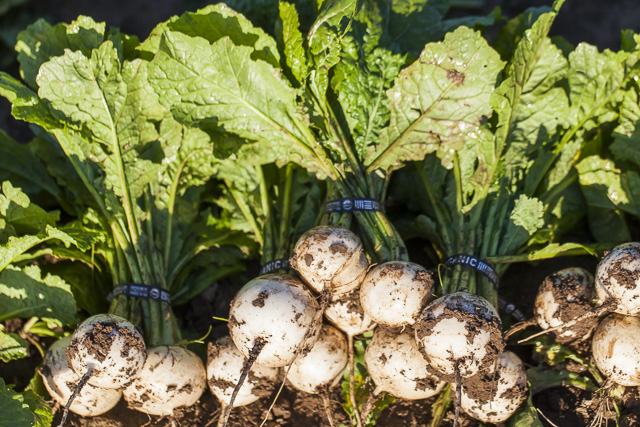 Hakuri turnips. Photo by Scott David Gordon
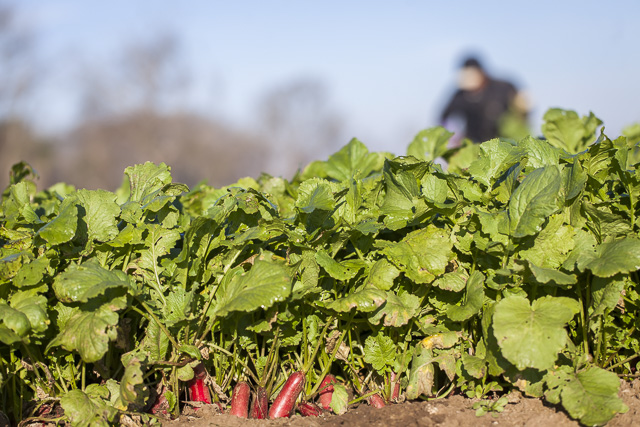 French breakfast radishes. Photo by Scott David Gordon
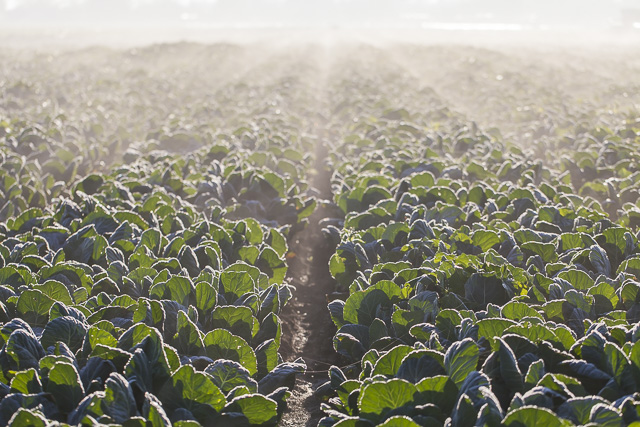 Scott photographs our collard greens on a frosty morning. Photo by Scott David Gordon
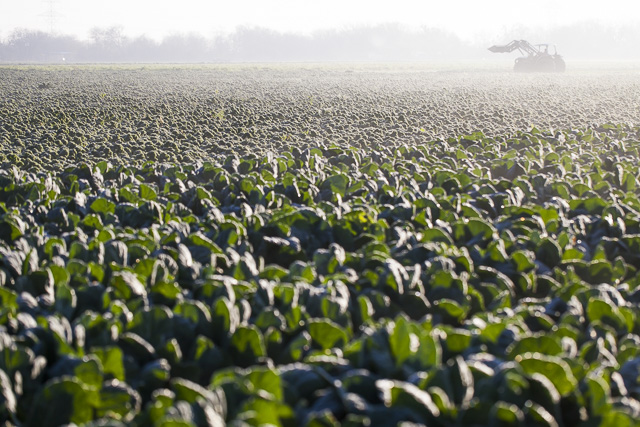 Photo by Scott David Gordon
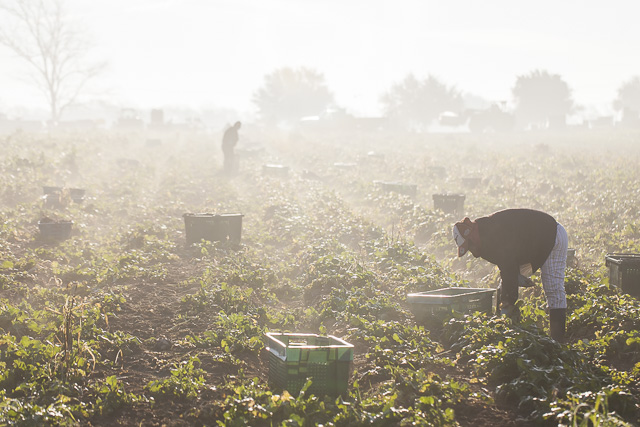 Misty morning harvest. Photo by Scott David Gordon
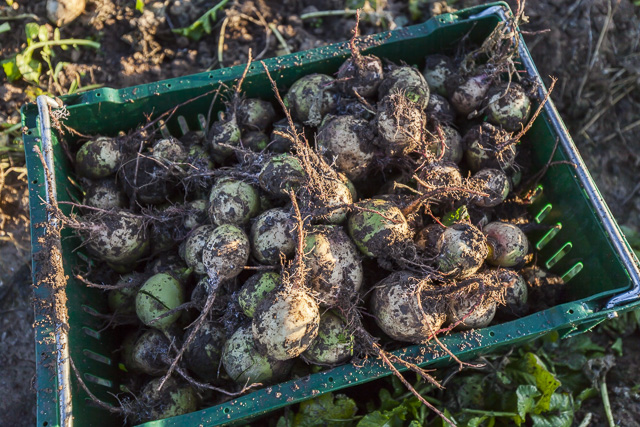 Watermelon radishes are a winter favorite. Photo by Scott David Gordon
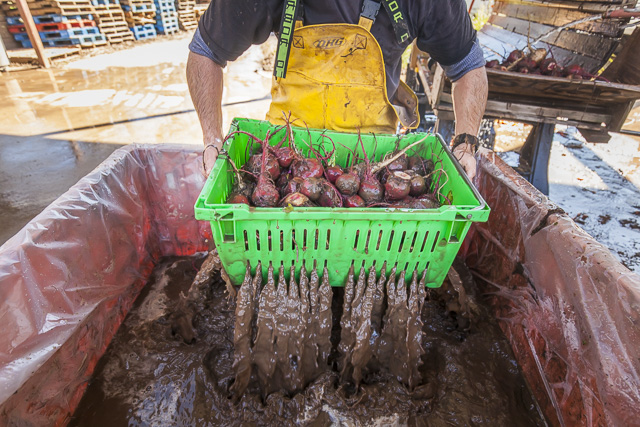 This is how we get your beets sparkly clean. Photo by Scott David Gordon
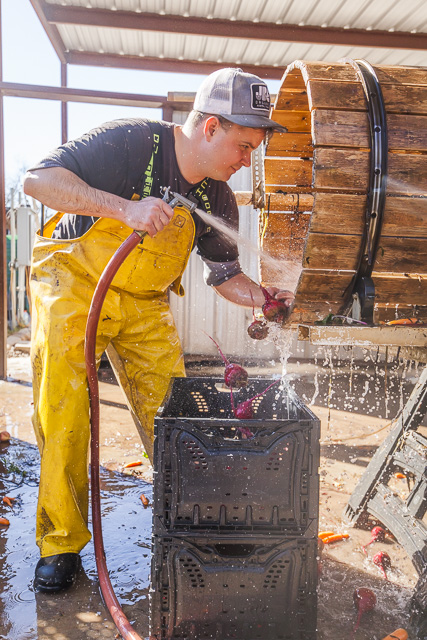 Doug sprays the chioggia beets. Photo by Scott David Gordon
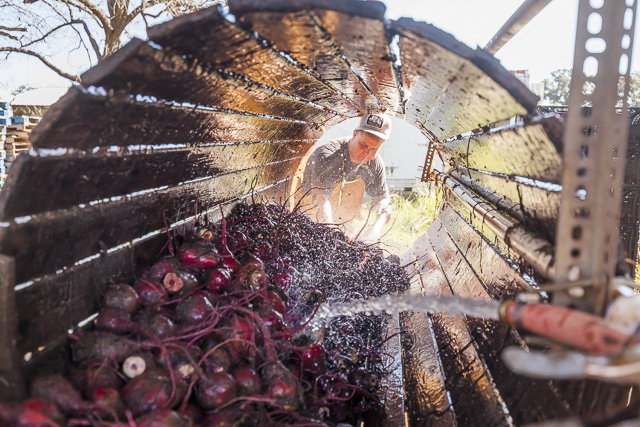 Washing chioggia beets in the barrel washer. Photo by Scott David Gordon
FENNEL SAUERKRAUT
01/12/16 — Farm
by Megan Winfrey
I've read that in cultures where fermented foods are eaten regularly, people are known to live longer lives. (link to credible article)
The lactic acid that is formed during the fermentation of cabbage is a known probiotic and wonderful for your digestive system, and has also been shown to prevent cancer. Now I know what you're thinking. Sauerkraut, gross. But let me ask you this. When was the last time you tried it?
If the answer is more than 10 years ago, you need to give it another shot. I am a firm believer in re-trying your most hated foods every decade or so. In my experience, when someone says they don't like something, it's because they haven't had it in forever or it wasn't prepared correctly. If you give this recipe a shot, not only will you love it, but you will feel extremely accomplished for having made it (even though it's really simple!)
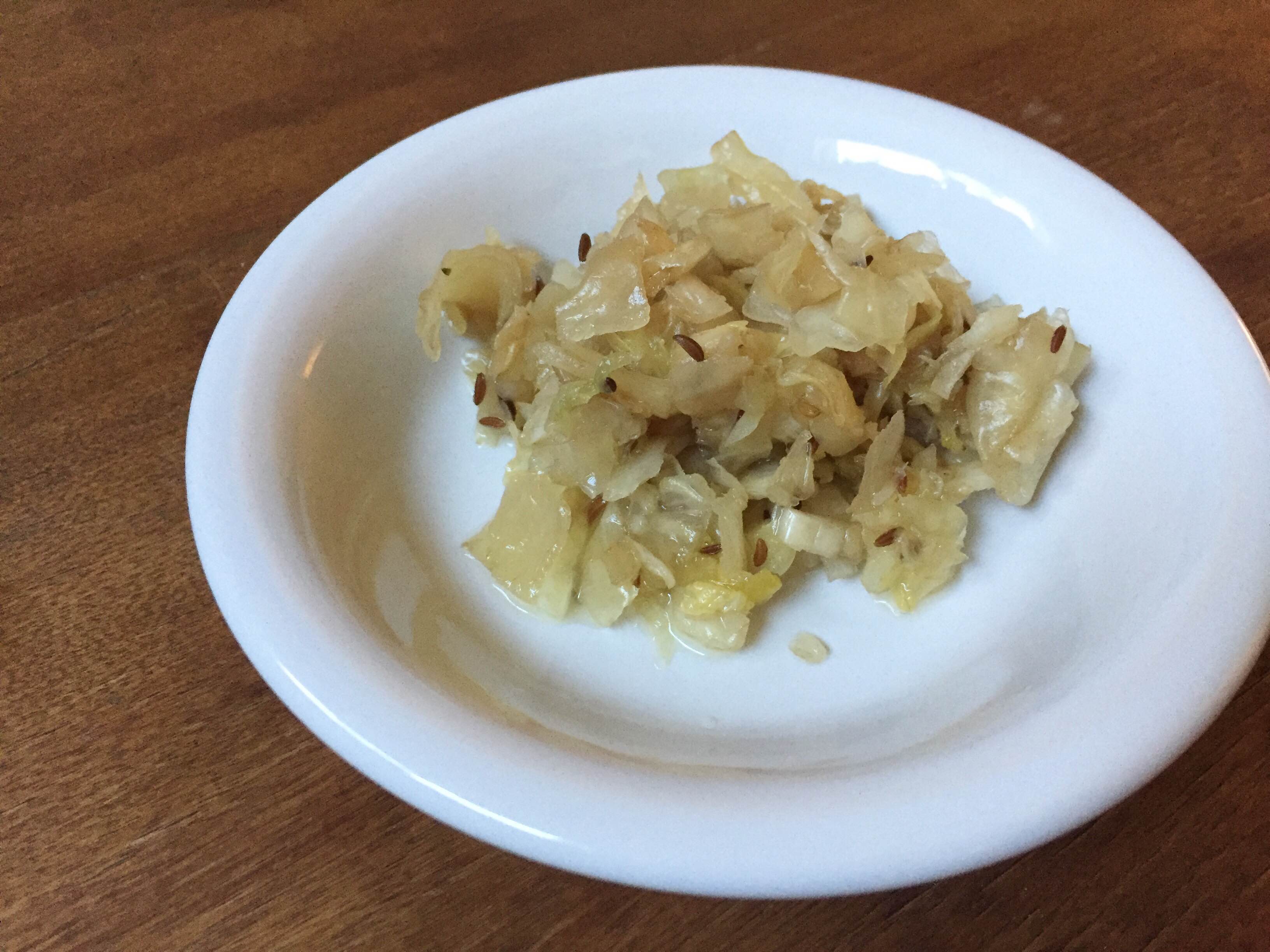
Sauerkraut with Fennel
- 2 heads of cabbage, shredded
- 2 fennel bulbs, thinly sliced
- 3 tbs. caraway seeds
- 3 tbs. kosher or pickling salt
- 1 large glass pitcher or mason jar
- 1 large mixing bowl
- 1 rubberband
- 1 clean dish towel
- 1 clean, small glass
- 4-5 clean rocks or marbles
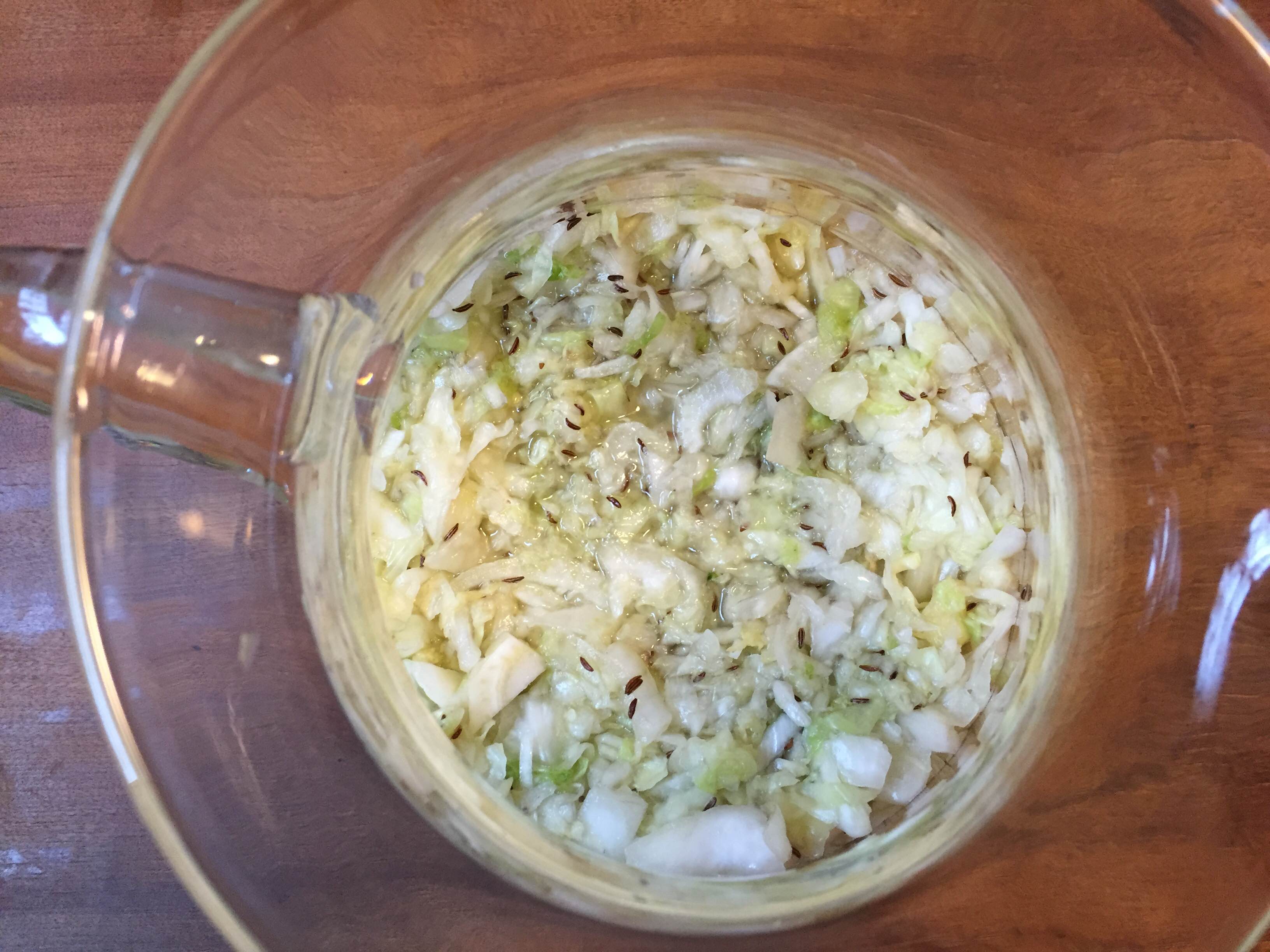
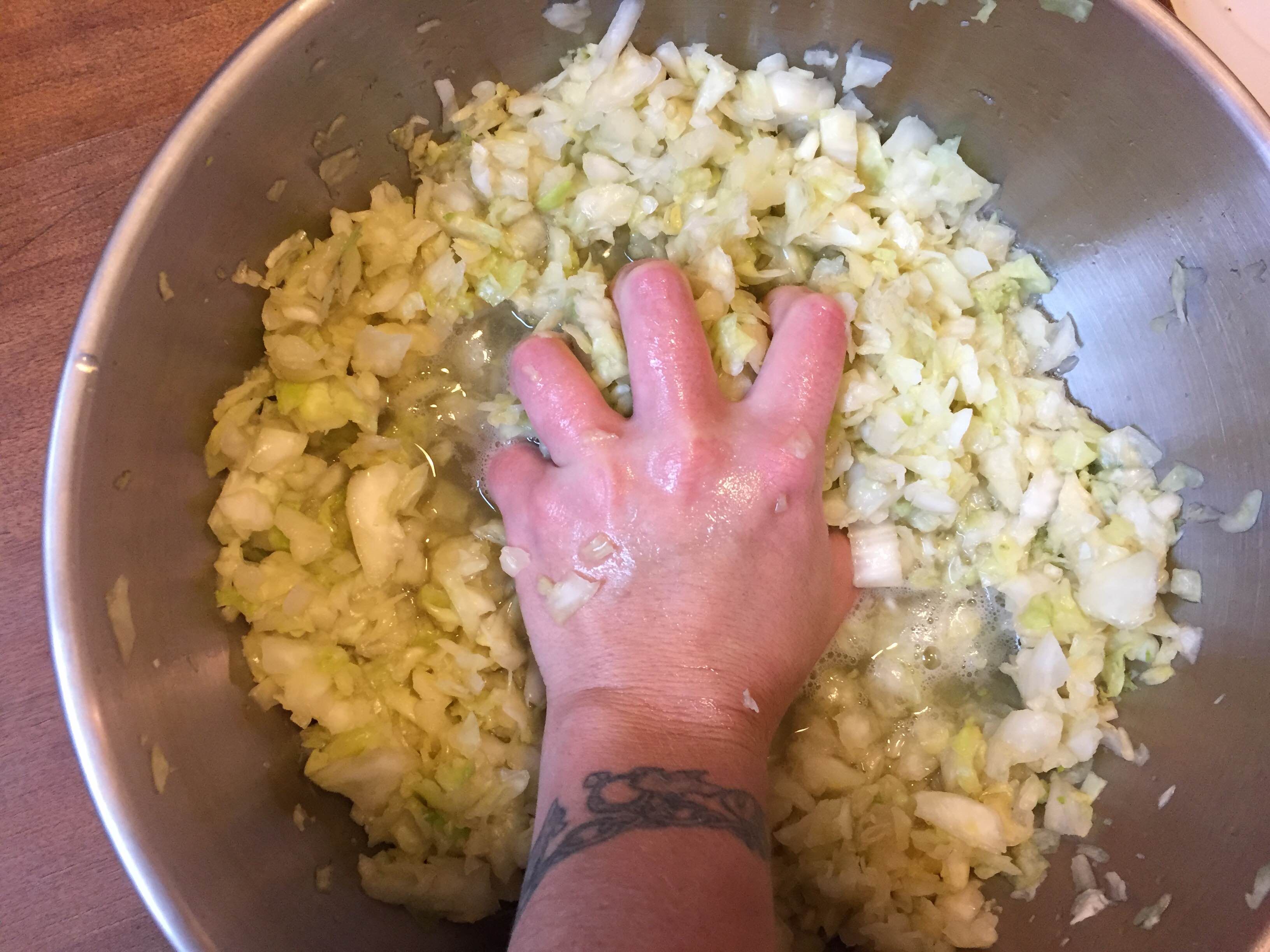
Once everything is clean, put all of the shredded cabbage into a large bowl. Add the salt and begin massaging the cabbage with your hands. Do this for about 10 minutes, or until the cabbage is wilted and resembles coleslaw, and there is about a cup of juice in the bottom of the bowl. Mix in the fennel and caraway seeds. and transfer everything into the glass pitcher, packing the mixture down with your fist as you go. There should be enough liquid to cover or almost cover all of the cabbage in the pitcher. If not, add enough water just to cover.
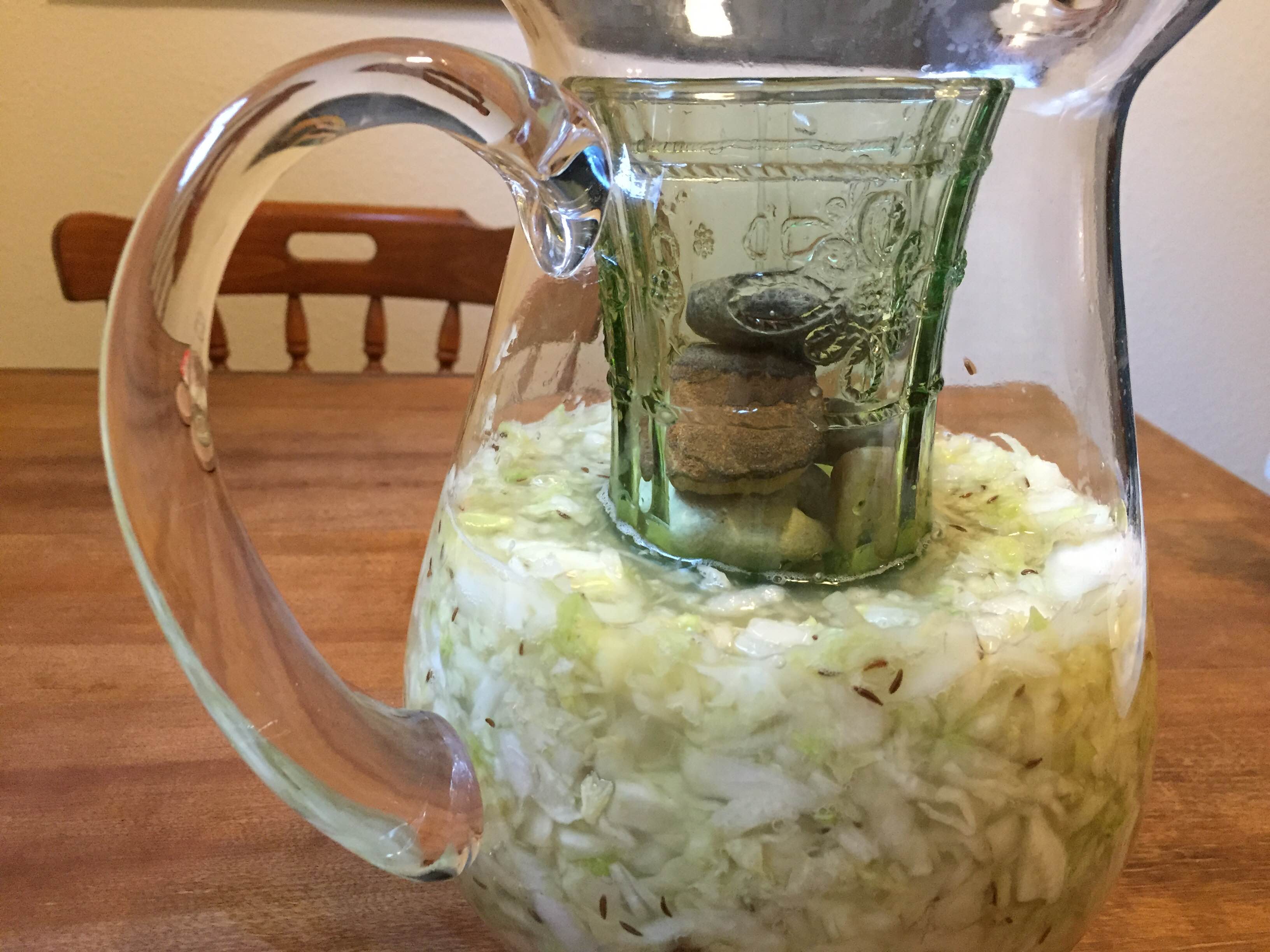
The cabbage will have to be weighed down so that it stays submerged in the liquid. Put the clean rocks or marbles into the small glass (made of glass) and lower that down into the pitcher on top of the cabbage and press down. Cover the mouth of the pitcher with the clean dish towel, and secure with a rubber band. This will keep oxygen out of the fermentation process. Store the pitcher in a cool, dark place like a closet or pantry for at least 5 days, or up to 10 depending on how "sour" you like it. Start tasting on day 5, and either begin using it or let it ferment until it is to your liking.
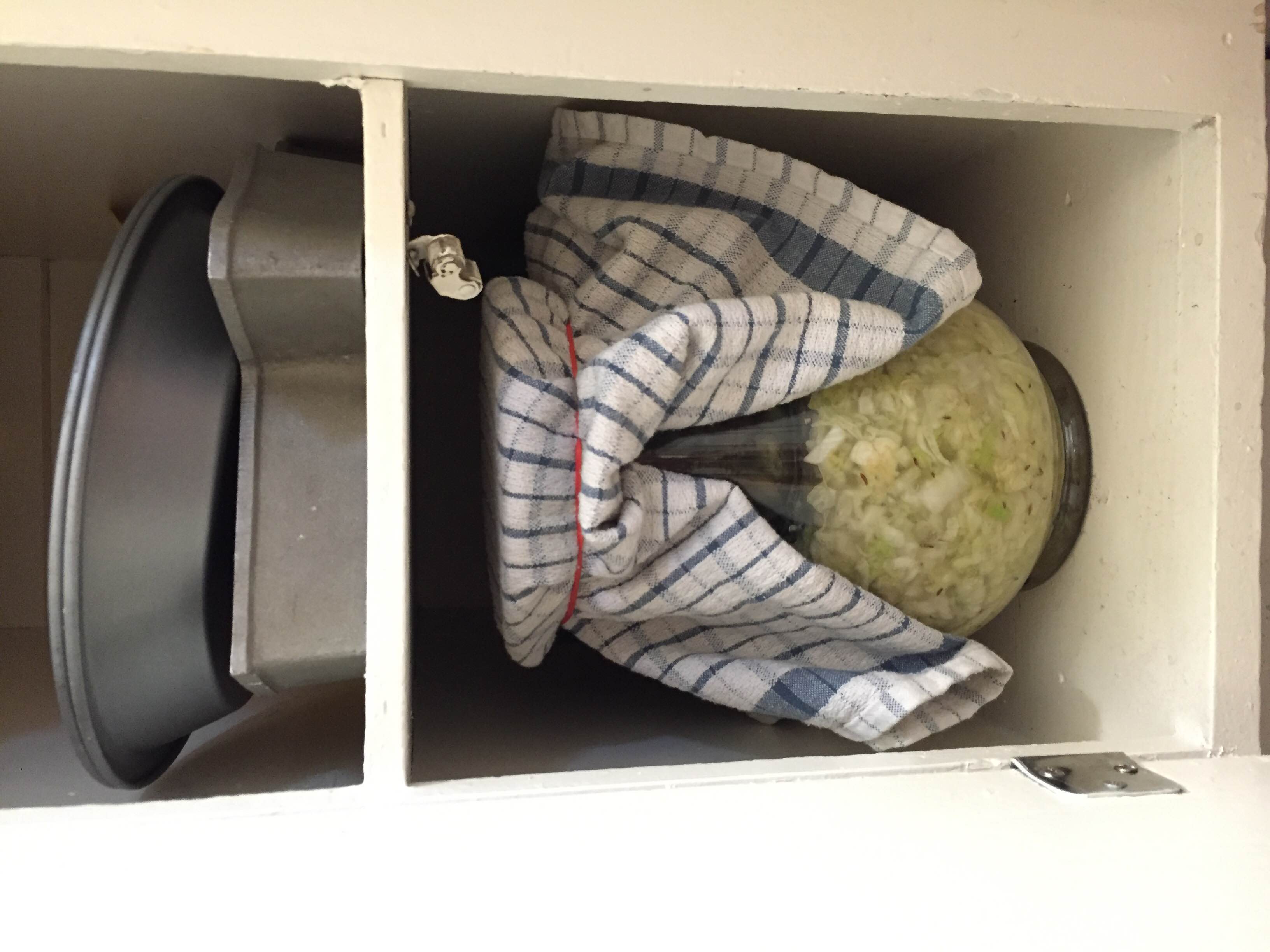 The sauerkraut will keep in the refrigerator for 2 months, or longer if you separate it out into smaller containers. As long as it looks and smells good, it's okay to eat. You can also can it in jars for an indefinite shelf life.
My favorite way to eat sauerkraut is on top of a grilled bratwurst with lots of German mustard and a crusty bun, but there are lots and lots of ways to enjoy it. Here's a link to a few great recipes!
CSA BOX CONTENTS WEEK OF JAN 11TH
01/12/16 — Scott
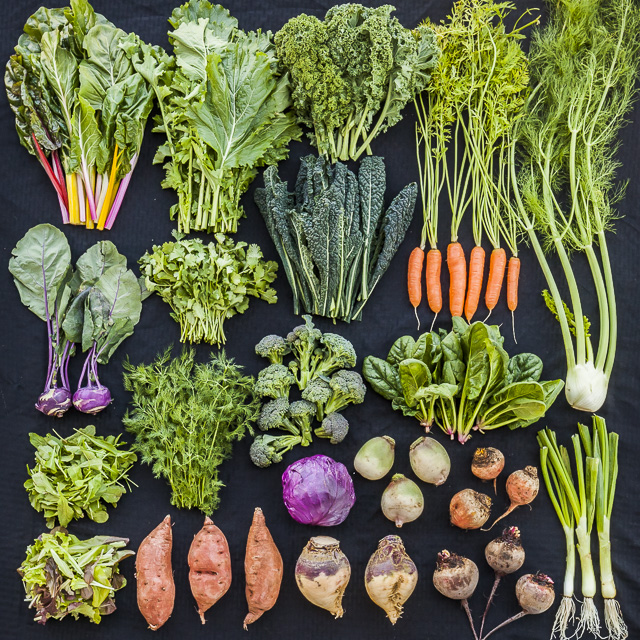 CSA Box Contents Week of Jan 11th
Large Box
Beet, Golden
Broccoli
Brussels Sprouts
Cabbage, Red
Carrot, Rainbow
Greens, Collards
Greens, Kale, Curly
Greens, Mizuna
Greens, Salad Mix
Greens, Spinach
Herb, Parsley, Flat
Potato, Sweet
Turnip, White Japanese
Beet, Golden
Broccoli
Brussels Sprouts
Cabbage, Red
Carrot, Rainbow
Greens, Collards
Greens, Kale, Curly
Greens, Mizuna
Greens, Salad Mix
Greens, Spinach
Herb, Parsley, Flat
Potato, Sweet
Turnip, White Japanese
Medium Box
Broccoli
Cabbage, Red
Carrot, Orange
Greens, Collards
Greens, Kale, Curly
Greens, Salad Mix
Greens, Spinach
Herb, Parsley, Flat
Scallions
Turnip, White Japanese
Broccoli
Cabbage, Red
Carrot, Orange
Greens, Collards
Greens, Kale, Curly
Greens, Salad Mix
Greens, Spinach
Herb, Parsley, Flat
Scallions
Turnip, White Japanese
Small Box
Beet, Red
Carrot, Orange
Greens, Chard, Rainbow
Greens, Collards
Herb, Fennel
Lettuce, Red Leaf
Scallions
Turnip, Rutabaga
Beet, Red
Carrot, Orange
Greens, Chard, Rainbow
Greens, Collards
Herb, Fennel
Lettuce, Red Leaf
Scallions
Turnip, Rutabaga
Individual Box
Beet, Red
Bok Choy
Carrot, Orange
Greens, Kale, Curly
Herb, Cilantro
Lettuce, Red Leaf
Beet, Red
Bok Choy
Carrot, Orange
Greens, Kale, Curly
Herb, Cilantro
Lettuce, Red Leaf