
 0 ITEMS IN CART

WATERMELON RIND PICKLES
10/04/16 — Heydon Hatcher
melons![img_3186]() by Megan Winfrey
by Megan Winfrey
If you've been following along for awhile, you know that I love to make pickles. I've pickled everything from cucumbers to okra, tomatoes, beets, green beans, peppers, and jicama. They haven't all been successes, but that's exactly what keeps me pickling - the determination to perfect my techniques. Thinking about all of the different types of pickles out there could make your head spin! Theres dill, bread and butter, garlic, spicy, sweet, candied, sour, half sour, and then there's an even longer list of produce to pickle! It's just so fascinating! I find that pickling and preserving makes me feel closer to the earth and closer to my ancestors, who couldn't rely on a refrigerator or even an unwavering source of produce. They preserved as a way of life, and if I could just get ahold of those recipes, my days of trial and error could end much quicker!
Watermelon Rind Pickles![img_3166]()
First, using a serrated vegetable peeler or sharp knife, remove the outer skin of the watermelon. Slice the melon and remove the pink flesh, which you should definitely cube, cover with Tajin, and devour. You're left with the light green rind, which should then be cut into 1 inch slices.
Soak the rind overnight in the brine, made by dissolving 1/4 cup of kosher salt in each quart of water needed to cover the rind. If doubling this recipe, double the brine also.
Drain the brine away, then thoroughly rinse the rind in cool water. Drain completely.
At this point, if you haven't already, sterilize your jars. Fill a large pot with water and bring to a boil. Add the jars you'll be using (glass part only) and allow to boil steadily while the rind cooks down. This recipe yields two pint jars of pickles.
Combine the rest of the ingredients in a large saucepan and allow to boil together for 5 minutes. Your kitchen will now smell amazing! Add the rind slowly in batches, then let simmer for about 30 minutes, until the rind appears translucent.
Pack the rind in hot, sterile jars and cover with the remaining liquid. Let cool at room temperature, then check to make sure the center of the lid is tightly sealed before refrigerating. These will stay in the fridge for several months.
Side note: I missed the part about skinning the watermelon, whoops! But I found that leaving the skin on gave the pickles a nice bite, and didn't affect the flavor at all. I think I'll always make them this way! Oh, and the lemon rinds are delicious, too.
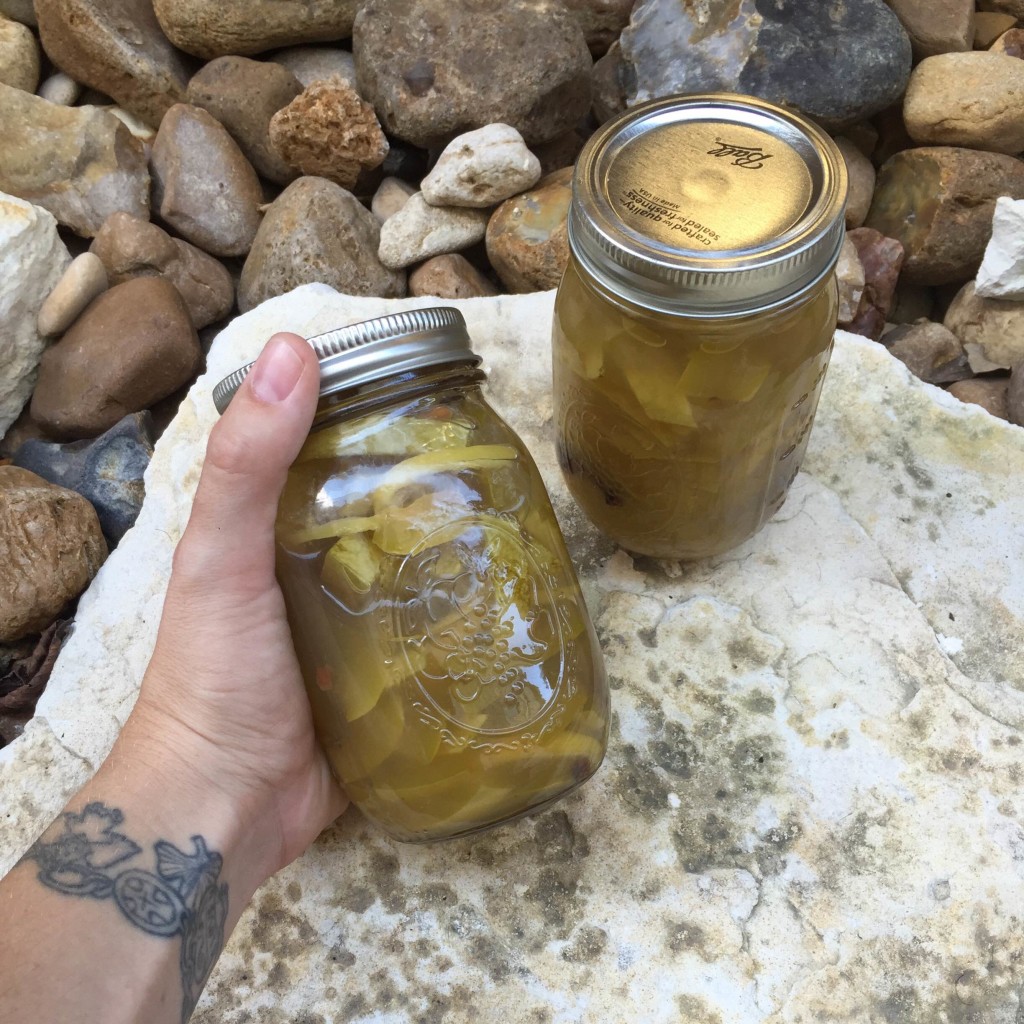 by Megan Winfrey
If you've been following along for awhile, you know that I love to make pickles. I've pickled everything from cucumbers to okra, tomatoes, beets, green beans, peppers, and jicama. They haven't all been successes, but that's exactly what keeps me pickling - the determination to perfect my techniques. Thinking about all of the different types of pickles out there could make your head spin! Theres dill, bread and butter, garlic, spicy, sweet, candied, sour, half sour, and then there's an even longer list of produce to pickle! It's just so fascinating! I find that pickling and preserving makes me feel closer to the earth and closer to my ancestors, who couldn't rely on a refrigerator or even an unwavering source of produce. They preserved as a way of life, and if I could just get ahold of those recipes, my days of trial and error could end much quicker!
Watermelon Rind Pickles
- 1 JBG watermelon
- 2 cups white vinegar
- 2 cups water
- 4 cups white sugar
- 2 cinnamon sticks
- 1 tsp. whole cloves
- 1 lemon, thinly sliced
- 1 quart water
- 1/4 cup kosher salt
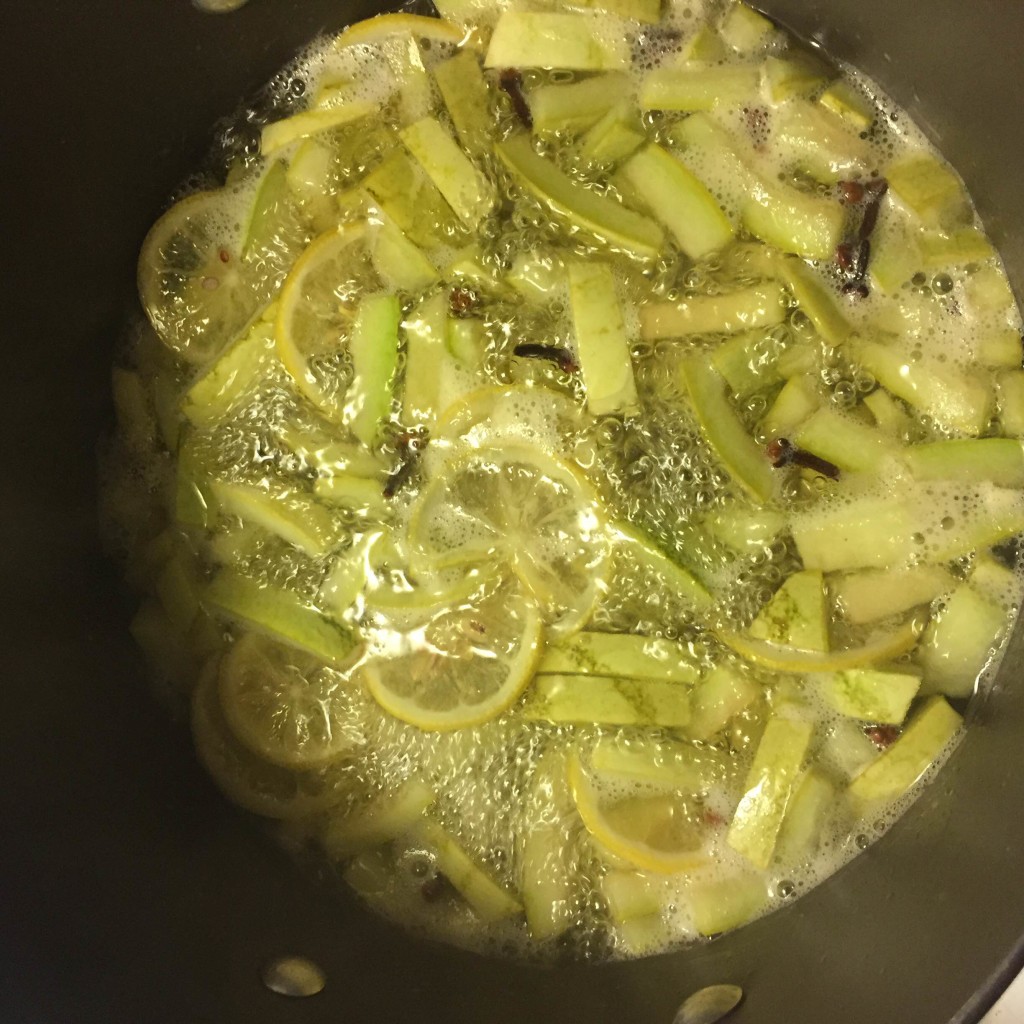
First, using a serrated vegetable peeler or sharp knife, remove the outer skin of the watermelon. Slice the melon and remove the pink flesh, which you should definitely cube, cover with Tajin, and devour. You're left with the light green rind, which should then be cut into 1 inch slices.
Soak the rind overnight in the brine, made by dissolving 1/4 cup of kosher salt in each quart of water needed to cover the rind. If doubling this recipe, double the brine also.
Drain the brine away, then thoroughly rinse the rind in cool water. Drain completely.
At this point, if you haven't already, sterilize your jars. Fill a large pot with water and bring to a boil. Add the jars you'll be using (glass part only) and allow to boil steadily while the rind cooks down. This recipe yields two pint jars of pickles.
Combine the rest of the ingredients in a large saucepan and allow to boil together for 5 minutes. Your kitchen will now smell amazing! Add the rind slowly in batches, then let simmer for about 30 minutes, until the rind appears translucent.
Pack the rind in hot, sterile jars and cover with the remaining liquid. Let cool at room temperature, then check to make sure the center of the lid is tightly sealed before refrigerating. These will stay in the fridge for several months.
Side note: I missed the part about skinning the watermelon, whoops! But I found that leaving the skin on gave the pickles a nice bite, and didn't affect the flavor at all. I think I'll always make them this way! Oh, and the lemon rinds are delicious, too.
CSA BOX CONTENTS WEEK OF OCT 3RD
10/04/16 — Scott
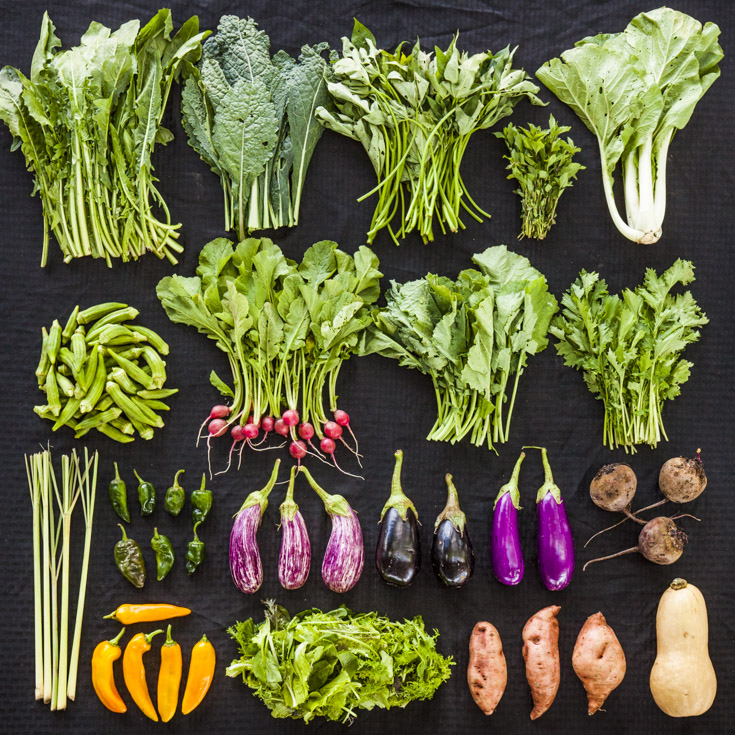 CSA Box Contents Week of Oct 3rd
Large Box
Beet, Red
Eggplant , Black
Greens, Dandelion
Greens, Kale, Dino
Greens, Sweet Potato
Herb, Lemongrass
Melon, Watermelon, Red
Okra
Pepper, Italian Yellow
Pepper, Serrano
Potato, Sweet
Squash, Patty Pan
Turnip, White Japanese
Beet, Red
Eggplant , Black
Greens, Dandelion
Greens, Kale, Dino
Greens, Sweet Potato
Herb, Lemongrass
Melon, Watermelon, Red
Okra
Pepper, Italian Yellow
Pepper, Serrano
Potato, Sweet
Squash, Patty Pan
Turnip, White Japanese
Medium Box
Bok Choy
Eggplant , Black
Greens, Dandelion
Greens, Kale, Curly
Herb, Spearmint
Melon, Watermelon, Red
Okra
Potato, Sweet
Squash, Butternut
Squash, Zucchini
Bok Choy
Eggplant , Black
Greens, Dandelion
Greens, Kale, Curly
Herb, Spearmint
Melon, Watermelon, Red
Okra
Potato, Sweet
Squash, Butternut
Squash, Zucchini
Small Box
Beet, Red
Eggplant , Black
Greens, Collards
Greens, Dandelion
Melon, Watermelon, Red
Pepper, Serrano
Potato, Sweet
Squash, Butternut
Beet, Red
Eggplant , Black
Greens, Collards
Greens, Dandelion
Melon, Watermelon, Red
Pepper, Serrano
Potato, Sweet
Squash, Butternut
Individual Box
Beet, Red
Bok Choy
Greens, Sweet Potato
Melon, Watermelon, Red
Potato, Sweet
Turnip, White Japanese
Beet, Red
Bok Choy
Greens, Sweet Potato
Melon, Watermelon, Red
Potato, Sweet
Turnip, White Japanese
WEEK 39 IN PHOTOS
09/30/16 — Heydon Hatcher
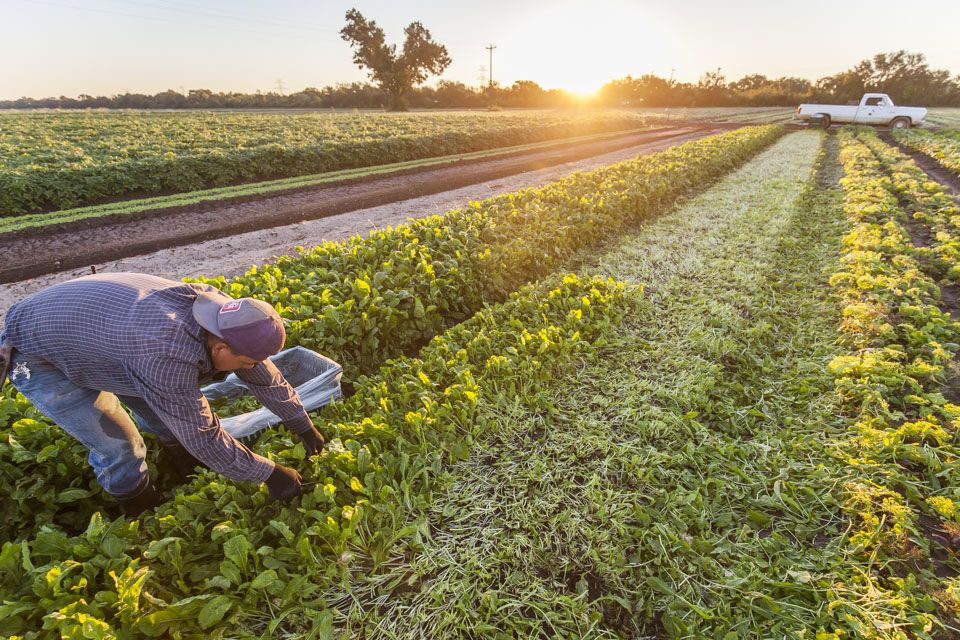 by Charlotte and Kenny
Rain over the weekend put us at a stand-still early in the week, so we are taking care of projects around the farm like fixing implements and weed-eating. We're loving this cool weather, and crossing our fingers that it sticks around for good. Asian greens and our new salad/braising mixes are super delicious... we are making salads every day and loving every minute of it! As of last Friday, the first artichokes are in the ground, too!
Butterfly migration has started, so we are seeing more of their pretty pollinating selves in the fields. Our cover crop of Sunn Hemp is full of bright yellow flowers which is attracting even more pollinators as well! Check out their brilliant blooms below!
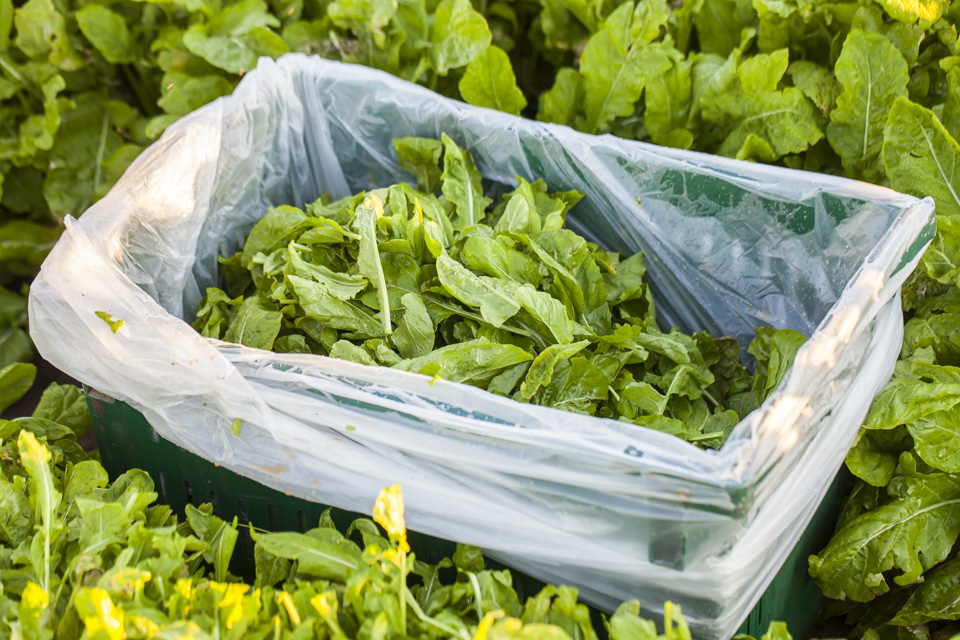 Harvest. Photo by Scott David Gordon.
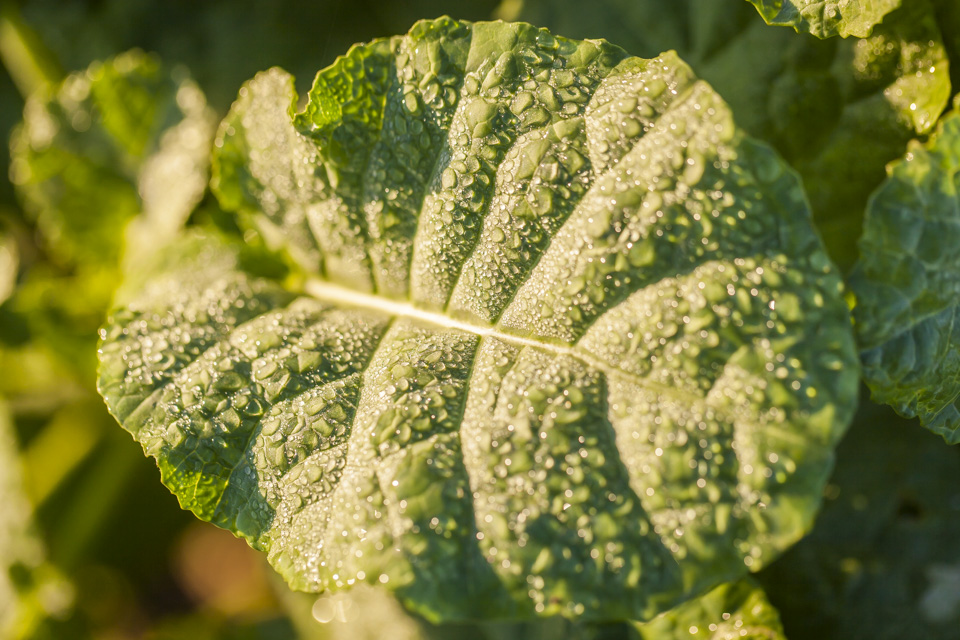 Morning dew. Photo by Scott David Gordon.
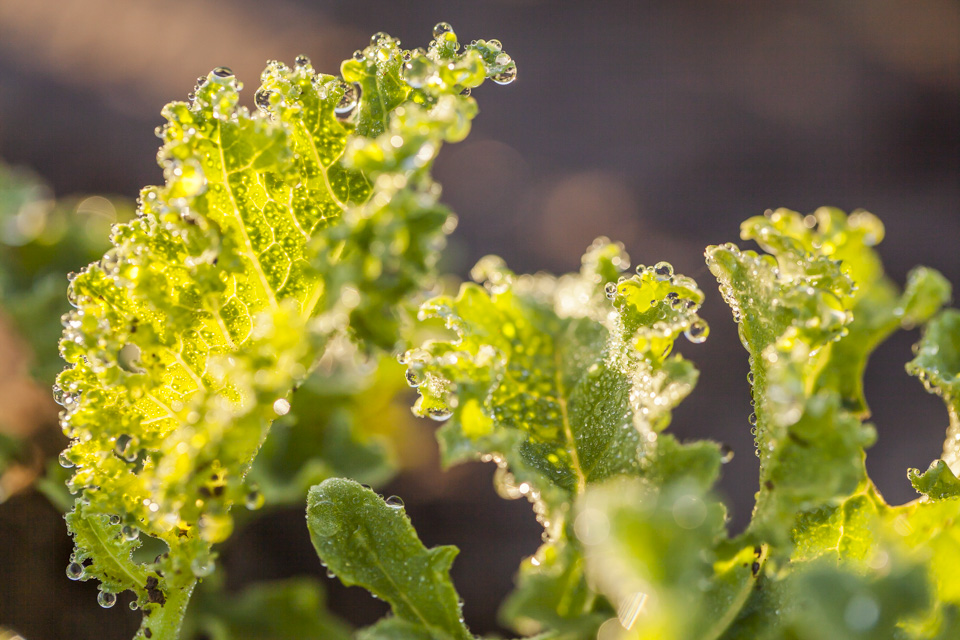 Morning dew. Photo by Scott David Gordon.
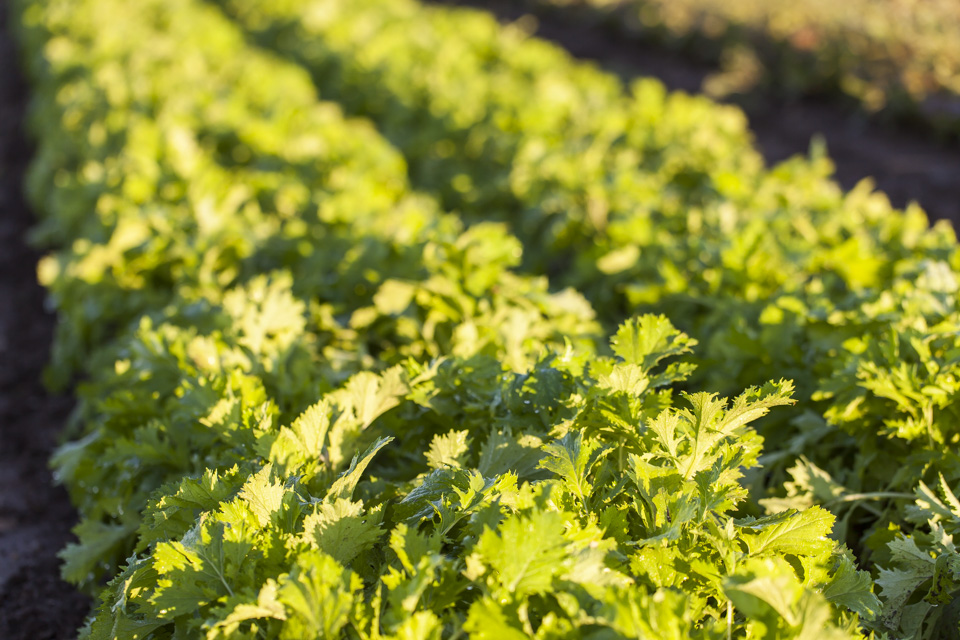 Photo by Scott David Gordon.
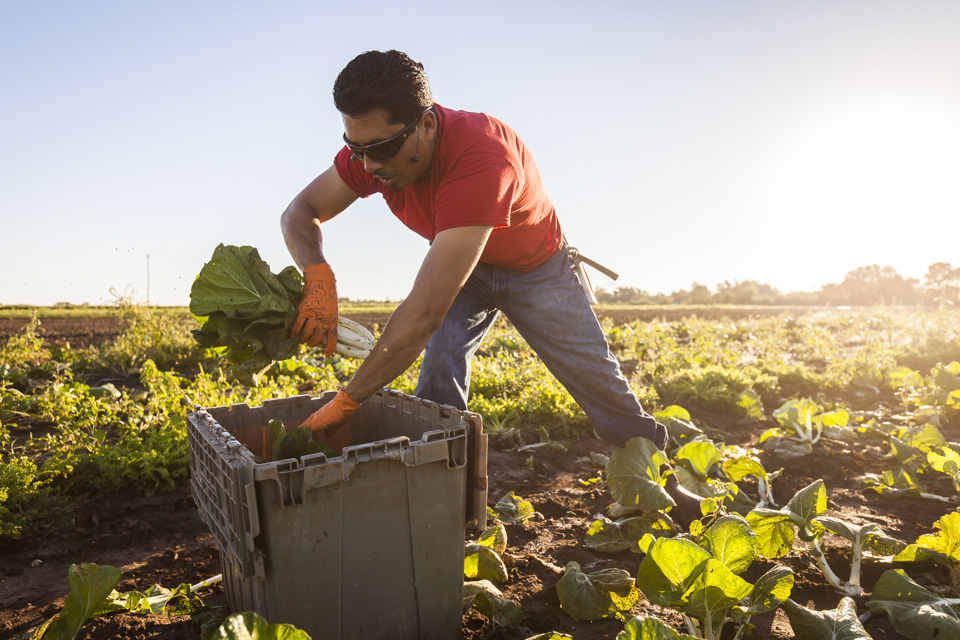 Vicente on bok choy harvest. Photo by Scott David Gordon.
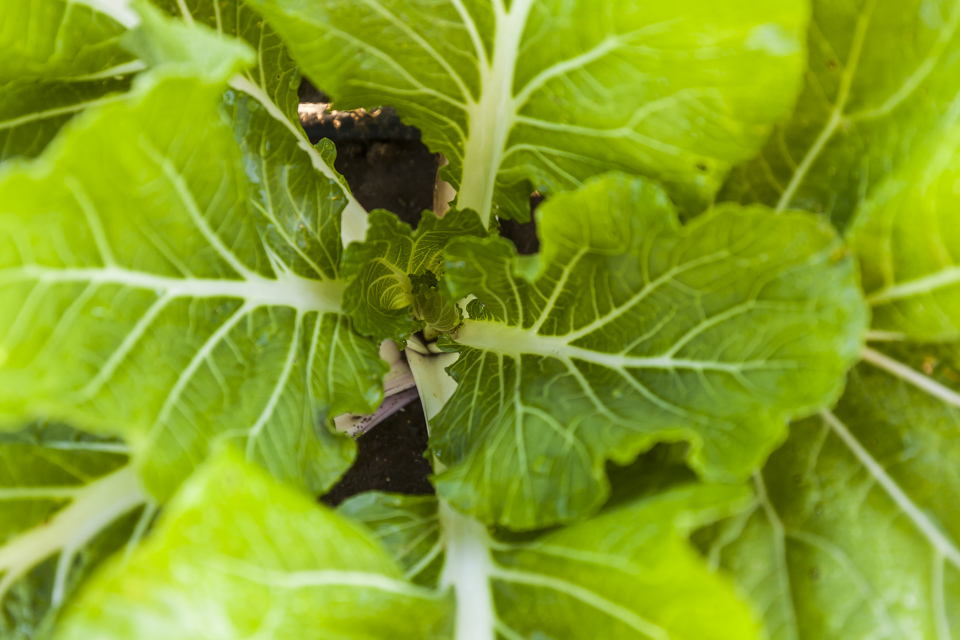 Bird's eye bok choy. Photo by Scott David Gordon.
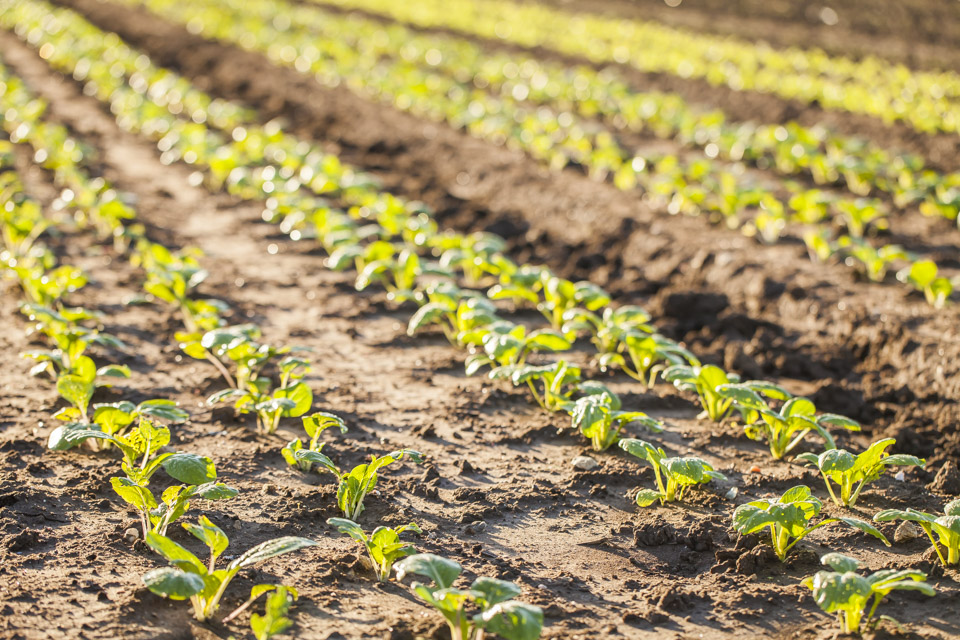 Growing. Photo by Scott David Gordon.
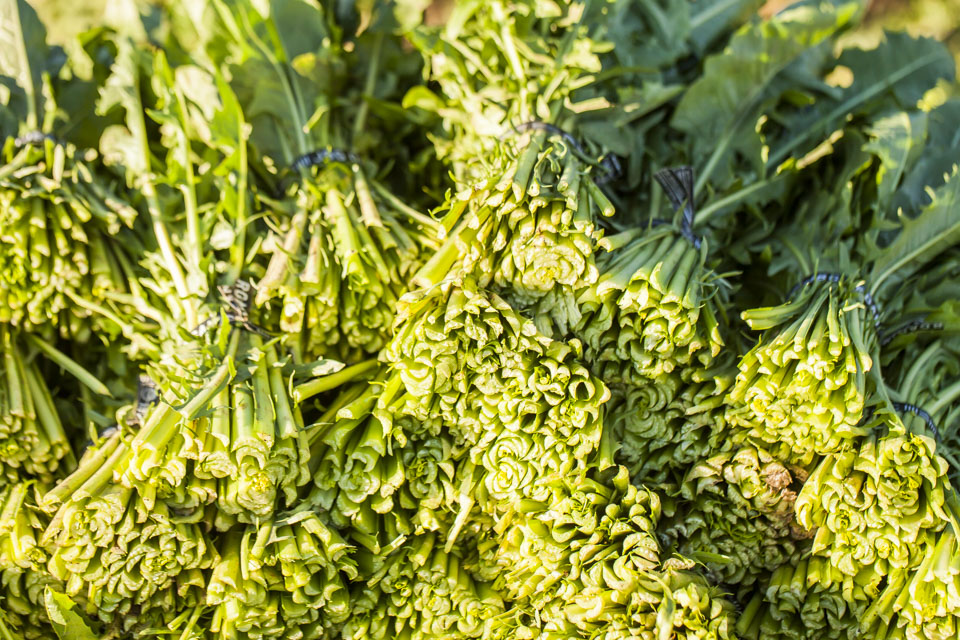 Dandelion greens texture. Photo by Scott David Gordon.
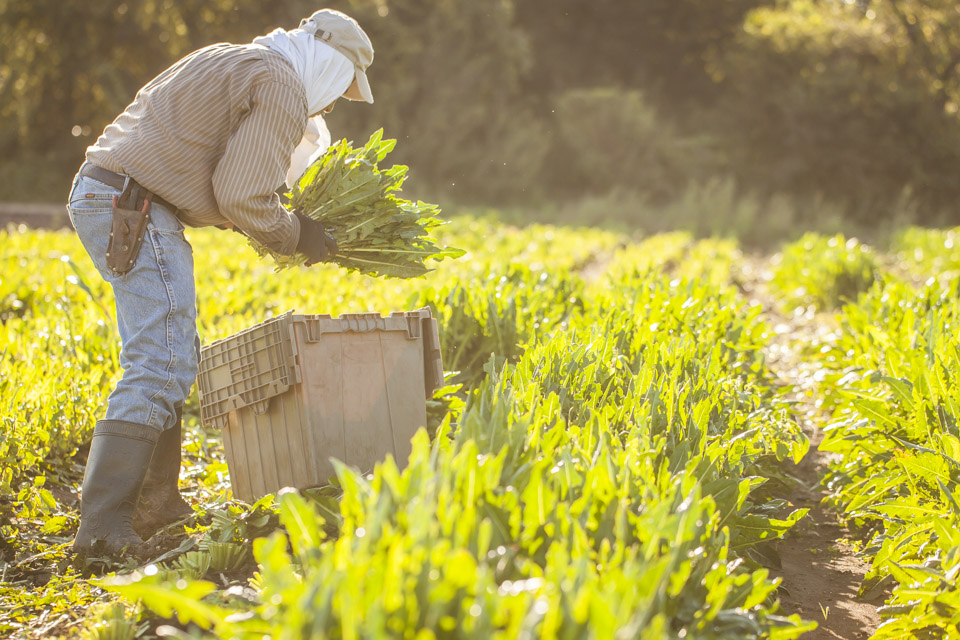 Dandelion greens harvest. Photo by Scott David Gordon.
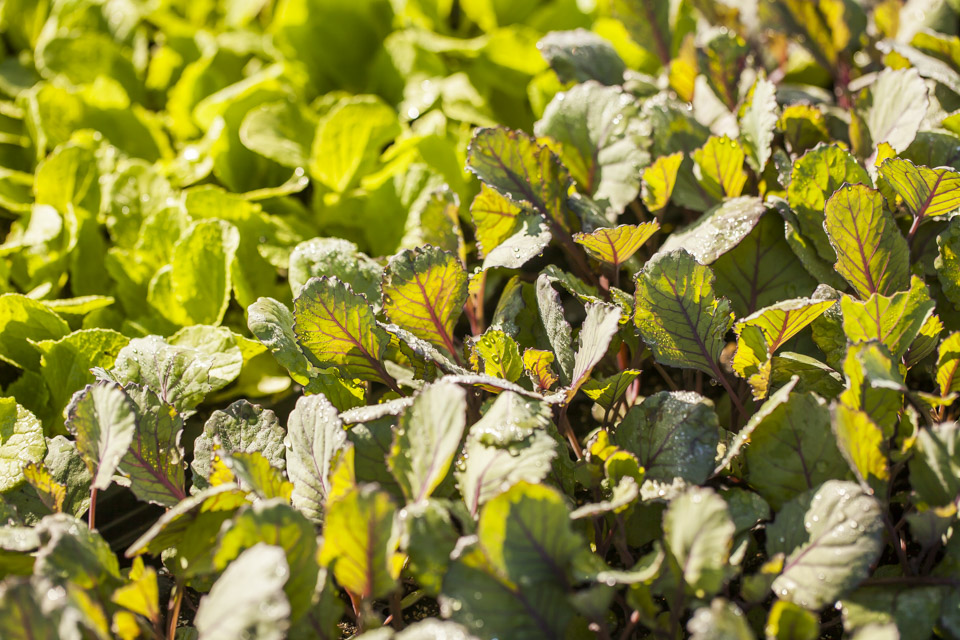 Growing. Photo by Scott David Gordon.
 Greenhouse construction. Photo by Scott David Gordon.
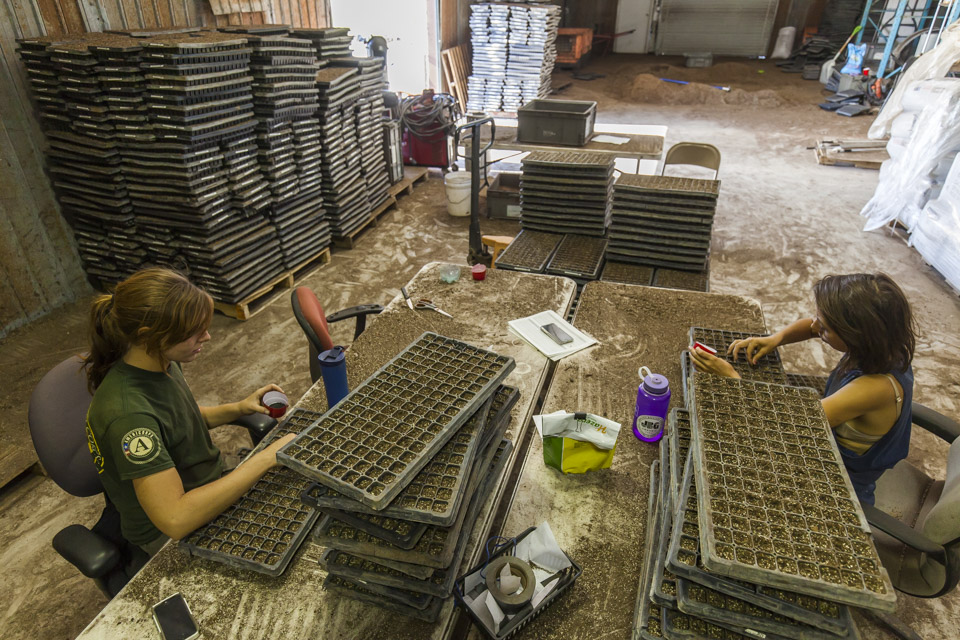 Seeding. Photo by Scott David Gordon.
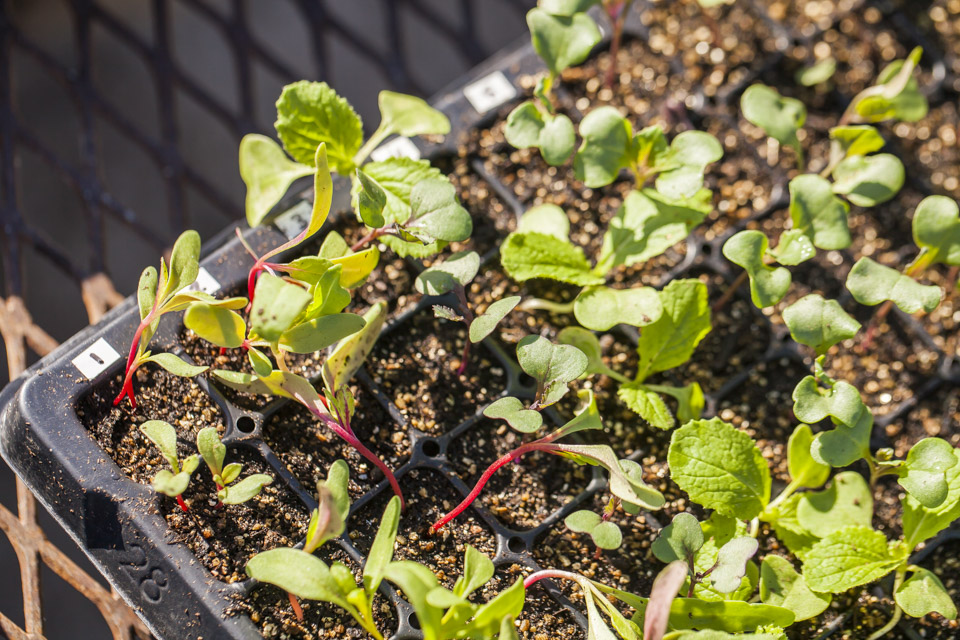 Transplants. Photo by Scott David Gordon.
 Transplanting. Photo by Scott David Gordon.
 Brenton in Sunn Hemp. Photo by Scott David Gordon.
 Roxy and Brenton in the Sunn Hemp. Photo by Scott David Gordon.
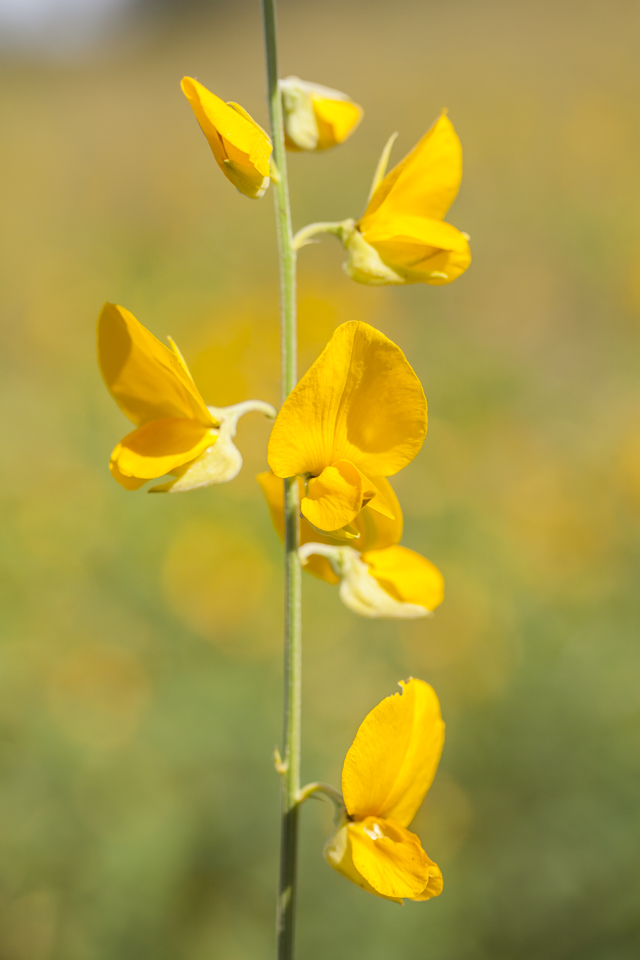 Sunn Hemp blooms. Photo by Scott David Gordon.
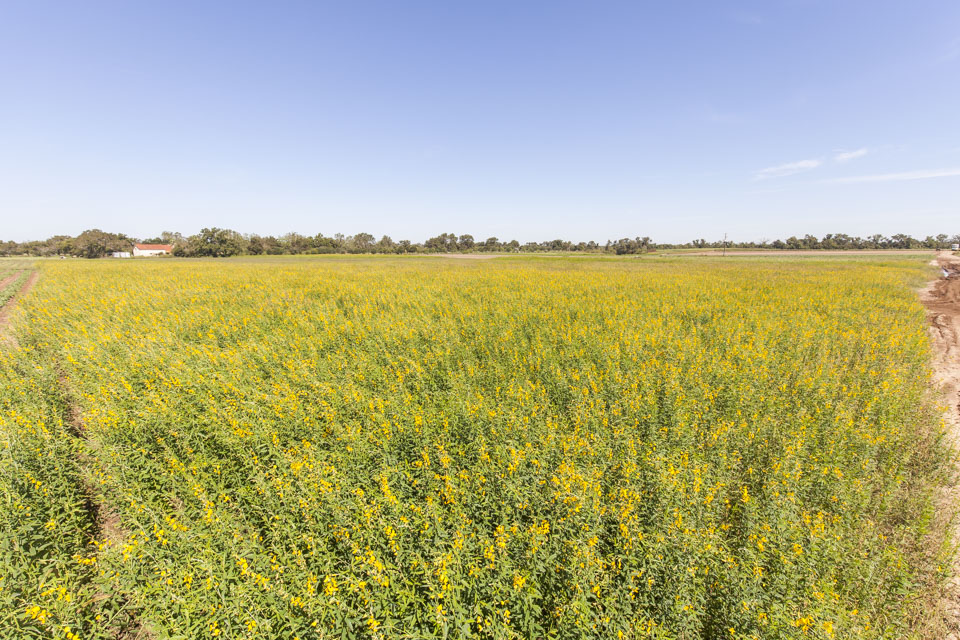 Sunn Hemp forever. Photo by Scott David Gordon.
 Watering transplants. Photo by Scott David Gordon.
CSA BOX CONTENTS WEEK OF SEPT 26TH
09/28/16 — Scott
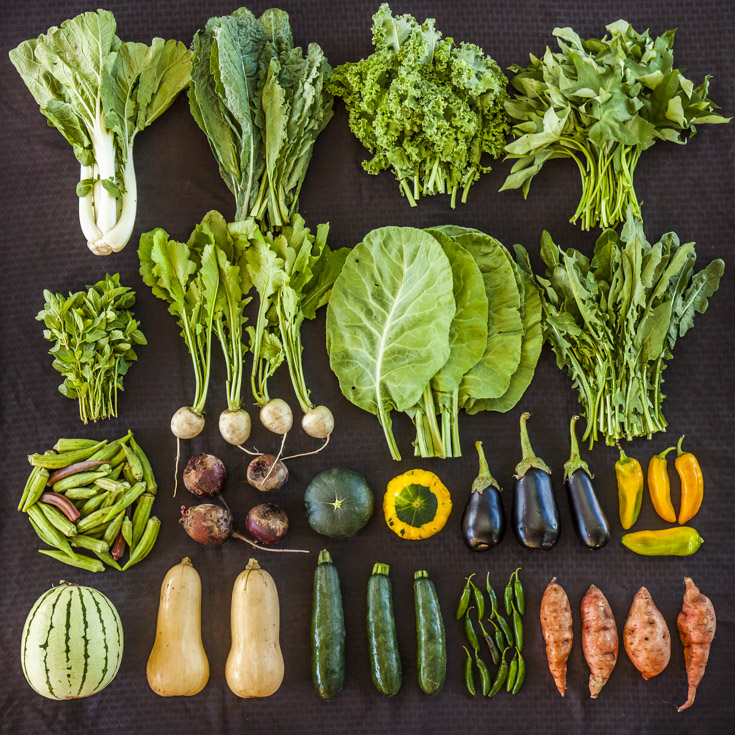 CSA Box Contents Week of Sept 26th
Large Box
Beet, Red
Eggplant , Black
Greens, Dandelion
Greens, Kale, Dino
Greens, Sweet Potato
Herb, Lemongrass
Melon, Watermelon, Red
Okra
Pepper, Italian Yellow
Pepper, Serrano
Potato, Sweet
Squash, Patty Pan
Turnip, White Japanese
Beet, Red
Eggplant , Black
Greens, Dandelion
Greens, Kale, Dino
Greens, Sweet Potato
Herb, Lemongrass
Melon, Watermelon, Red
Okra
Pepper, Italian Yellow
Pepper, Serrano
Potato, Sweet
Squash, Patty Pan
Turnip, White Japanese
Medium Box
Bok Choy
Eggplant , Black
Greens, Dandelion
Greens, Kale, Curly
Herb, Spearmint
Melon, Watermelon, Red
Okra
Potato, Sweet
Squash, Butternut
Squash, Zucchini
Bok Choy
Eggplant , Black
Greens, Dandelion
Greens, Kale, Curly
Herb, Spearmint
Melon, Watermelon, Red
Okra
Potato, Sweet
Squash, Butternut
Squash, Zucchini
Small Box
Beet, Red
Eggplant , Black
Greens, Collards
Greens, Dandelion
Melon, Watermelon, Red
Pepper, Serrano
Potato, Sweet
Squash, Butternut
Beet, Red
Eggplant , Black
Greens, Collards
Greens, Dandelion
Melon, Watermelon, Red
Pepper, Serrano
Potato, Sweet
Squash, Butternut
Individual Box
Beet, Red
Bok Choy
Greens, Sweet Potato
Melon, Watermelon, Red
Potato, Sweet
Turnip, White Japanese
Beet, Red
Bok Choy
Greens, Sweet Potato
Melon, Watermelon, Red
Potato, Sweet
Turnip, White Japanese
HONEYDEW MINT SORBET
09/28/16 — Heydon Hatcher
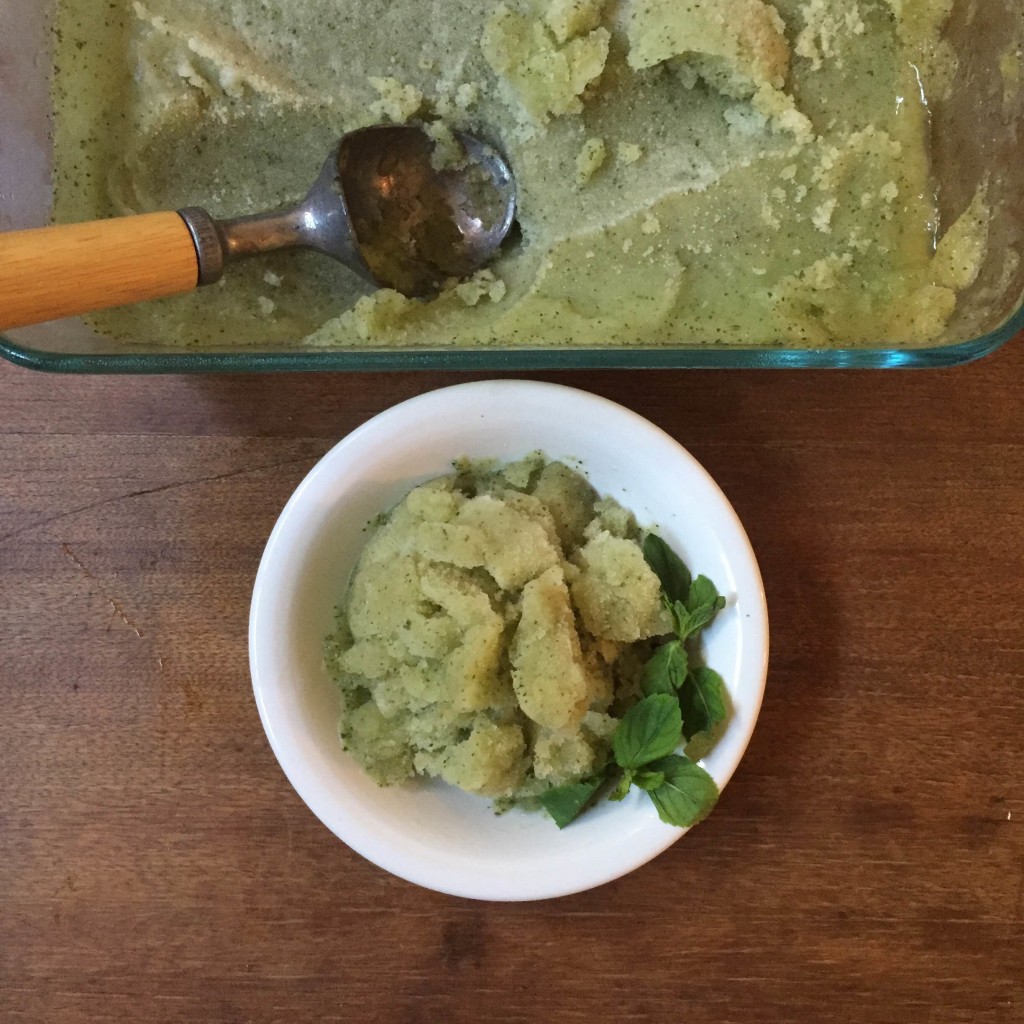 by Megan Winfrey
Fall has officially arrived, in our CSA boxes as well as in the cool breezes we've enjoyed this week. Hasn't it been amazing? My recipe for this week spans the seasonal gap and will give you one last taste of summer. So simple and refreshing, this will surely become one of your favorite ways to use your melon bounty until the actual end of the season (which we know can take awhile in Texas). There are tons of different combinations to experiment with such as cantaloupe and honey, watermelon and lime, honeydew and jasmine, the list goes on and on! So have fun with this one, and know you're not getting the added sugar of the store bought stuff.
Honeydew Mint Sorbet
- 1 honeydew melon
- 1 cup mint simple syrup
- 1/4 cup packed fresh mint leaves
- Juice of 1 lemon
- 1 cup water
- 1 cup white sugar
- 1 1/2 cup packed fresh mint (stems ok)
Cut the melon in half, scoop out the seeds, and cut away the rind. Dice the flesh into 1" pieces and lay out evenly on a sheet pan. Freeze for 1 hour and up to 6.
Prepare the mint simple syrup by adding the water and sugar to a sauce pan. Roughly chop the mint, add to the saucepan, and bring to a boil. Reduce to a simmer and let cook for 2 minutes. Let cool to room temperature, then strain into a clean bowl using a fine mesh strainer. Press down on the mint to release as much liquid as possible. Leftovers of this simple syrup will stay fresh for 2 weeks in the fridge, in a sealed container.
In a high powered blender or ice cream machine, combine the frozen melon, mint syrup, fresh mint leaves, and lemon juice. Blend on high until completely smooth. Pour into an airtight glass container and freeze until solid. Eat within the week for best results!
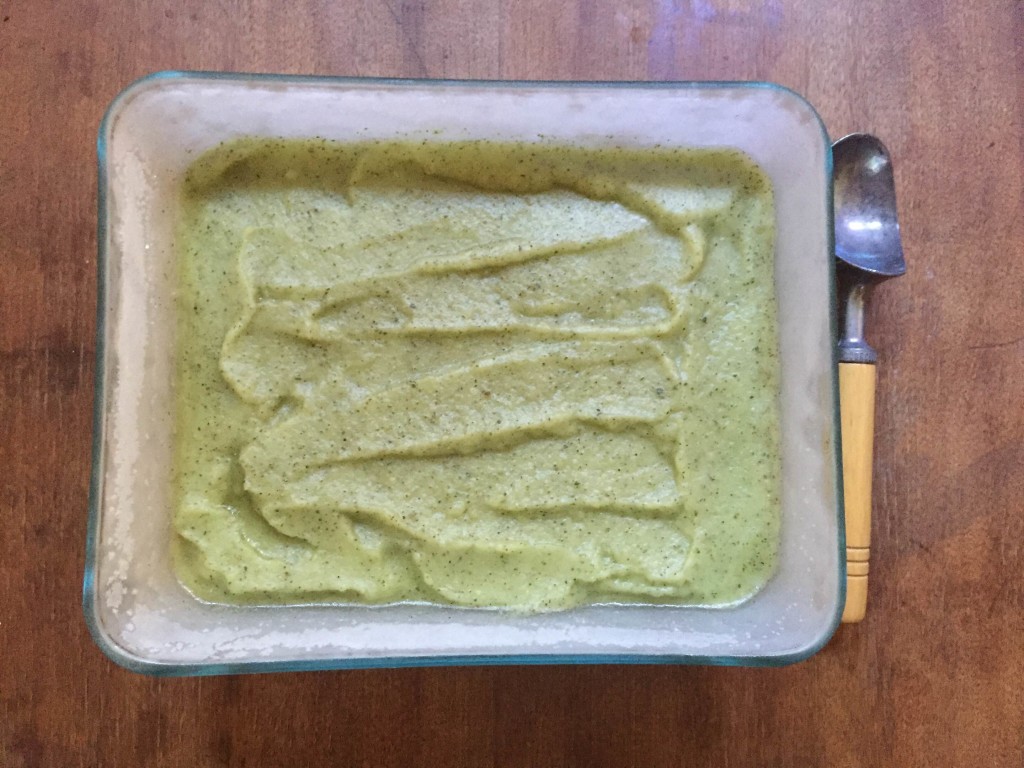
** I added about 1/4 cup of water to the blender in order to get everything smooth, and I shouldn't have. My final product was a bit ice-y and the flavor became somewhat muted. It was also difficult to scoop and I couldn't get pretty round scoops like I'd wanted. It is still DELICIOUS and I've mostly been sharing it with my toddler and making fizzy cocktails with it. Next time instead of water, I'll add more simple syrup, more lemon juice, or another fresh fruit juice.
**BONUS RECIPE**
 That's a lot of green on those plates! Photo by Kate Tynan.
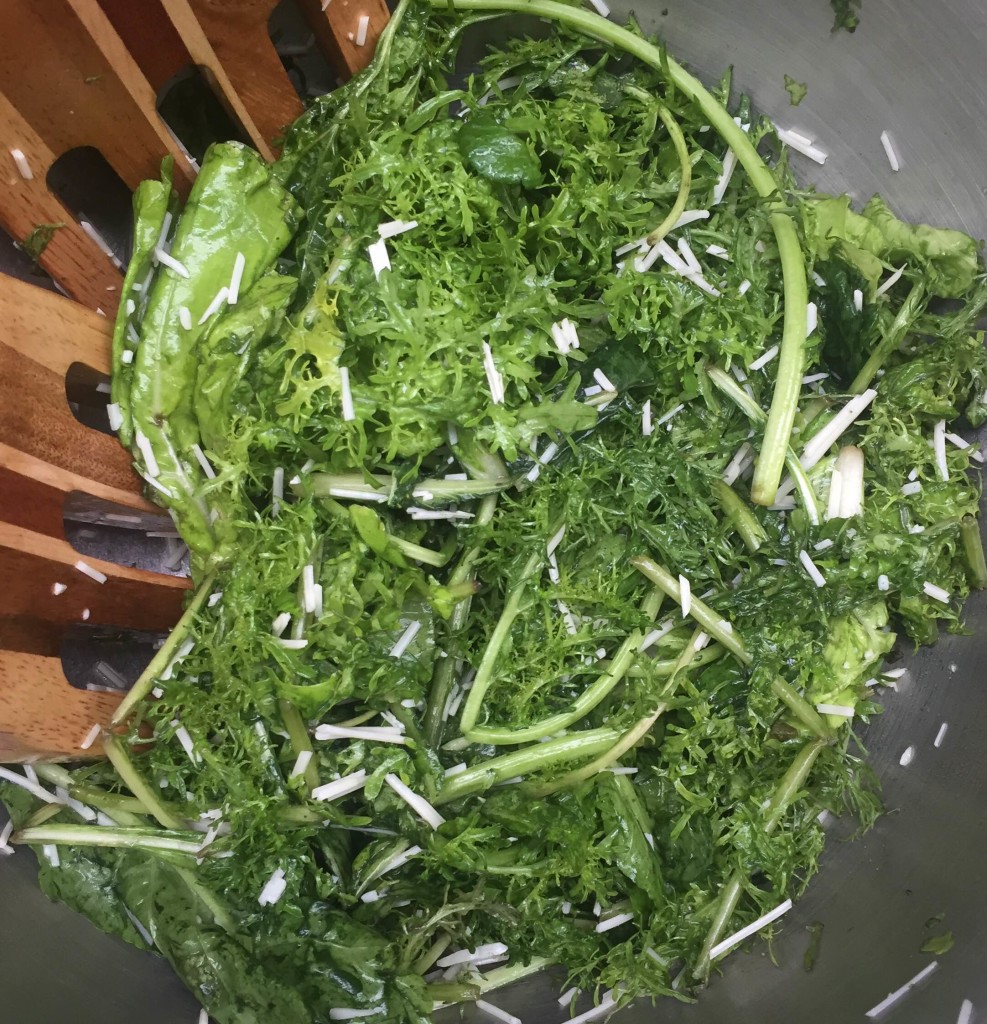
After Heydon's super informative blog post on Asian greens last week, I feel compelled to share the simplest, most delicious salad with y'all. It's a real crowd pleaser and literally has 5 ingredients - lemon, olive oil, salt, fresh grated parmesan, and greens. My friend made a GIANT bowl of this salad at her recent birthday celebration. Not one leaf went uneaten and I heard nearly every single person mention how utterly delicious it was. I know right, how can such a simple salad be so good? It's because it allows the flavor of the greens to really shine through. I wouldn't make this salad with iceberg, but pick any of the Asian greens JBG is offering and you'll be good to go.
I like to mix a bag of arugula with a bag of the braising mix - which consists of red mustard, green mustard, tatsoi, and Chinese cabbage - in a huge bowl, add the other ingredients to taste, and consume the entire thing in one sitting. Now that's getting your greens!
ASIAN GREENS: DEMYSTIFIED
09/23/16 — Heydon Hatcher
TGIF, y’all! If you’ve visited us at the farmers’ markets lately, you might have noticed the influx of leafy greens at our stand. Despite the steady face-melting temps, the crops are telling us that Fall is in fact on our doorstep. But, before you start pulling out your coziest Autumn sweaters in anticipation, let’s ponder a likely scenario... As you were perusing the medley of different greens this past weekend, grabbing a handful of kale, then moving onto the display of collards, you happen upon a mysterious and enticing bunch of greens. Perplexed by its shroud of enigma, you look around to your fellow market-goers for answers… What is it? Where did it come from? To your dismay, none of your market buddies know either! Fret not, farm friends, for what you most likely discovered was one of the many Asian greens that we have rolling out to market this season. This week, we hope to lay to rest some of your lingering inquiries, and make these puzzling and hard-to-identify leafy greens more accessible.
![Market greens. Photo by Scott David Gordon.]() Market greens. Photo by Scott David Gordon.
Market greens. Photo by Scott David Gordon.
We all know leafy greens are healthy... but why? Well, the nutritional value of the spectrum of dark, leafy greens boasts tons of potassium, folic acid, vitamin A, vitamin C, vitamin K, and the list goes on! Vegan or lactose intolerant? These greens are a great source of calcium and iron as well. Chock full of carotenoids, flavenoids + antioxidants, integrating any and all leafy greens into your diet can ultimately aid in immune function, and reduce your risk of heart disease, diabetes, and cancer. With tons of dietary fiber and low in calories, these veggies are great for weight maintenance, too. The USDA suggests that adults consume at least three cups of leafy greens per week, but with all that flavor, why not more? If these benefits aren’t a catalyst for you to step out of your “kale + collards comfort zone” (as Ada calls it) and explore the varying hues of green, we don’t know what else will!
![Bok choy. Photo by Scott David Gordon.]() Bok choy. Photo by Scott David Gordon.
Bok choy. Photo by Scott David Gordon.
Bok Choy - Translated directly from Cantonese, bok choy means ‘white vegetable’. Probably the most recognizable of all the Asian greens, this white-stemmed crop is a part of the Brassicaceae family (Fun fact: these guys are relatives of the turnip!) and also a type of Chinese cabbage. If you’ve been to a Chinese restaurant, you have probably seen this green offered on the menu as an ingredient augmenting a meaty dish or sauteed by itself. When cooking, the greens’ texture turns silky and the stems remain pretty crunchy. Ever had baby bok choy? This crop is delectable in any state of maturation. Grab a bunch of these mild greens next time you are at the market!
![Choi Sum. Photo by Scott David Gordon.]() Choi Sum. Photo by Scott David Gordon.
Choi Sum. Photo by Scott David Gordon.
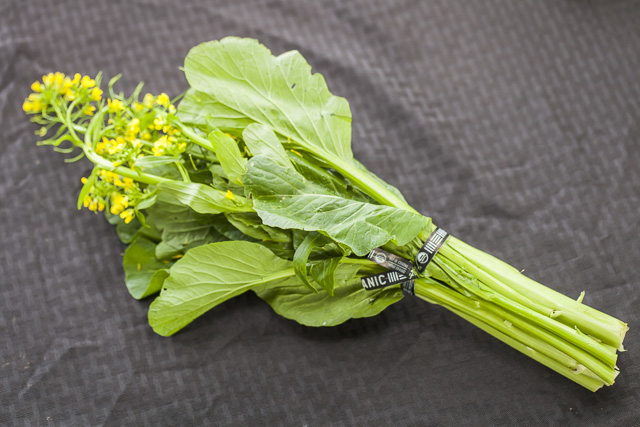
Choi Sum - Identified most easily by it’s dainty (and ever-so-tasty) yellow blooms and long stems, it is also a part of the Brassicaceae fam. Translated as “vegetable stem” from Cantonese, choy sum boasts “a flavor between cabbage and spinach, sweet with a kick” says Mike Mo. A staff favorite here at JBG, this crop is great raw in a salad, stir-fried with other veggies, or a quick saute. If you want to impress your dinner guests, add the flowers to any salad. Not only is it a beautiful embellishment, but also a tasty addition. Check out the Staff Survey below for some recipe ideas.
![Tatsoi. Photo by Scott David Gordon.]() Tatsoi. Photo by Scott David Gordon.
Tatsoi. Photo by Scott David Gordon.
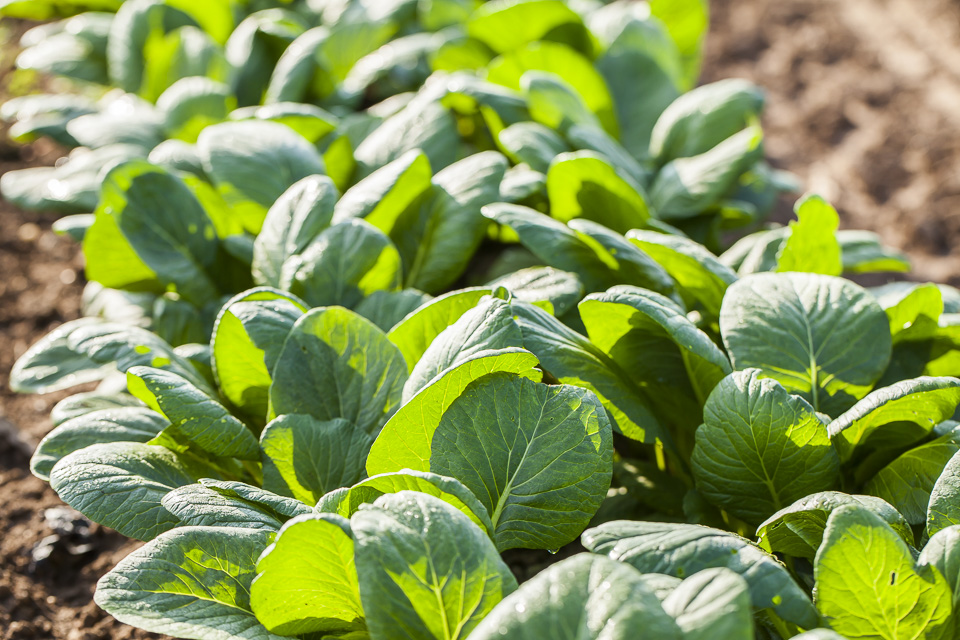
Tatsoi - With an aesthetic similar to that of a baby bok choy, these dark green and very round leaves with their mild taste have become increasingly popular in North American cuisine. Likened to spinach, tatsoi has an almost creamy texture when cooked. This tenacious little crop thrives in cooler temperatures, and can even survive below freezing! Our resident recipe-blogger delved into a cooking escapade with this green last week, check out this simple yet yummy dish!
![Komatsuna. Photo by Scott David Gordon.]() Komatsuna. Photo by Scott David Gordon.
Komatsuna. Photo by Scott David Gordon.
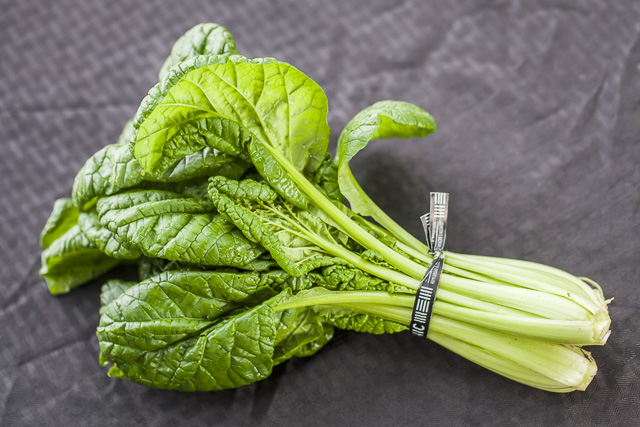
Komatsuna - Hailing from Japan, this crop translates literally as “greens of Komatsu” (fun fact: named after a town that used to heavily cultivate this leafy green in the 1600s, Komatsugawa). Sometimes confused for tatsoi, komatsuna has lighter green and glossier leaves, with thinner and longer stems. Otherwise known as Japanese mustard spinach, this vegetable is great steamed or added to a salad.
![Braising Mix. Photo by Scott David Gordon.]() Braising Mix. Photo by Scott David Gordon.
Braising Mix. Photo by Scott David Gordon.
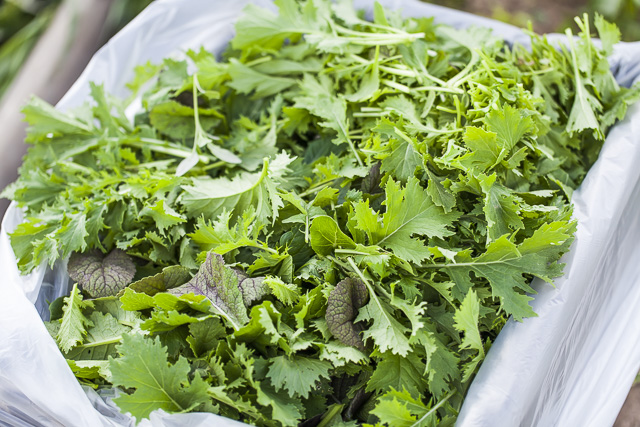
Braising Mix - We know that this little bag of unidentifiable greens can sometimes be daunting, but this mixture of leafy deliciousness could add tons of flavor to a soup, or just dump it out and eat it raw, simple as that! The perfect amalgam of mild and spicy, this power-green combo is a mix of red mustard, green mustard, tatsoi, and Chinese cabbage.
![Hon Tsai Tai. Photo by Scott David Gordon.]() Hon Tsai Tai. Photo by Scott David Gordon.
Hon Tsai Tai. Photo by Scott David Gordon.
Hon Tsai Tai - Identified most easily by it’s long, purple-y stems, hon tsai tai has a slightly sweet, mild taste. Like choi sum, this crop grows beautiful and sweet little yellow flowers that you will sometimes spot when you are sifting through the bin at market. This fun-to-say crop could be the new champion of your signature salad or soup! Give it a try!
Still confused? We hear ya, it can be super bewildering, but hopefully we painted a more understandable picture of the plethora of Asian greens we offer. If you are overwhelmed by all the recipes and are having a hard time utilizing any of the aforementioned greens, just treat ‘em like spinach (that’s what we do)!
![Photo by Scott David Gordon.]() Photo by Scott David Gordon.
Photo by Scott David Gordon.
Staff Survey: What is your favorite Asian green, and how do you use it?
Matt: Choi sum. I was eating the flowers raw last weekend. Tastes like broccoli. Great stir fried with other veggies.
Tracy: Braising mix. On a sandwich with horseradish white cheddar, spicy brown mustard, ham and pepperoni with a generous bed of braising mix. Super spicy!
Ada: Choi sum. Super quick saute, beginning with stems and followed by leaves and flowers. Quick dash of soy, squeeze of lemon, and black pepper. Put on everything, or eat alone. YUM.
Charlotte: I second Ada and Matt! Choi sum, raw or sauteed is mind-blowing.
Ciara Peacock: I like using the big Bok Choy leaves to make wraps, as an alternative to tortillas. So sturdy and flavorful!
Save the date! Don’t miss our CSA Members Only Potluck on 10/22 and a Farm Tour with Slow Food Austin on 10/23!
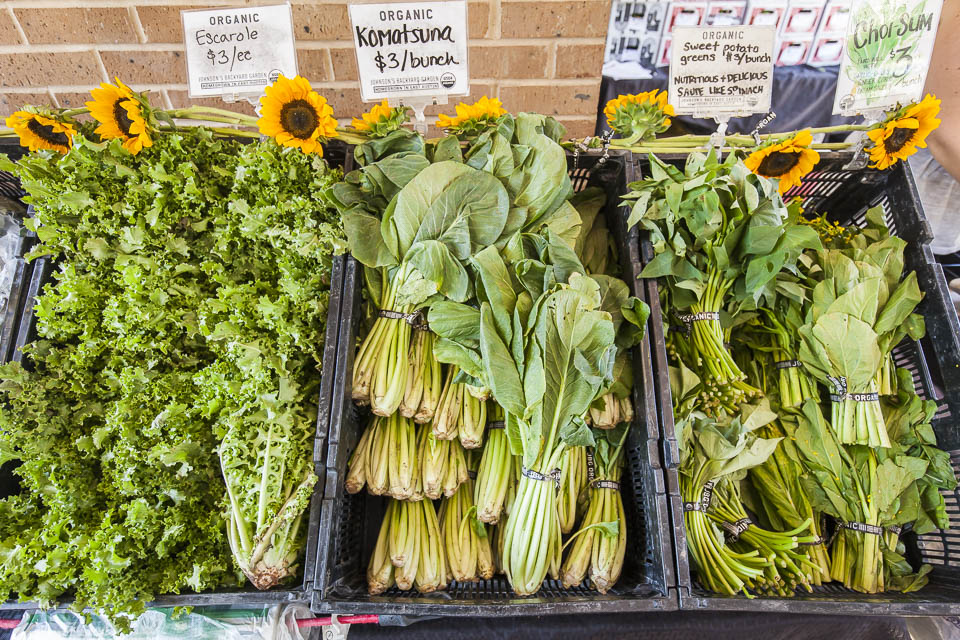 Market greens. Photo by Scott David Gordon.
We all know leafy greens are healthy... but why? Well, the nutritional value of the spectrum of dark, leafy greens boasts tons of potassium, folic acid, vitamin A, vitamin C, vitamin K, and the list goes on! Vegan or lactose intolerant? These greens are a great source of calcium and iron as well. Chock full of carotenoids, flavenoids + antioxidants, integrating any and all leafy greens into your diet can ultimately aid in immune function, and reduce your risk of heart disease, diabetes, and cancer. With tons of dietary fiber and low in calories, these veggies are great for weight maintenance, too. The USDA suggests that adults consume at least three cups of leafy greens per week, but with all that flavor, why not more? If these benefits aren’t a catalyst for you to step out of your “kale + collards comfort zone” (as Ada calls it) and explore the varying hues of green, we don’t know what else will!
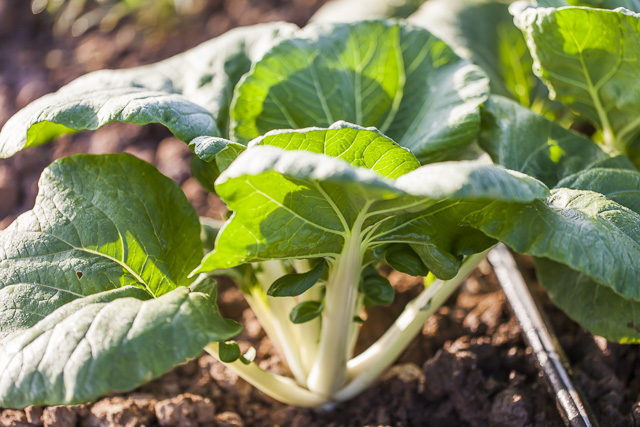 Bok choy. Photo by Scott David Gordon.
Bok Choy - Translated directly from Cantonese, bok choy means ‘white vegetable’. Probably the most recognizable of all the Asian greens, this white-stemmed crop is a part of the Brassicaceae family (Fun fact: these guys are relatives of the turnip!) and also a type of Chinese cabbage. If you’ve been to a Chinese restaurant, you have probably seen this green offered on the menu as an ingredient augmenting a meaty dish or sauteed by itself. When cooking, the greens’ texture turns silky and the stems remain pretty crunchy. Ever had baby bok choy? This crop is delectable in any state of maturation. Grab a bunch of these mild greens next time you are at the market!
 Choi Sum. Photo by Scott David Gordon.
Choi Sum - Identified most easily by it’s dainty (and ever-so-tasty) yellow blooms and long stems, it is also a part of the Brassicaceae fam. Translated as “vegetable stem” from Cantonese, choy sum boasts “a flavor between cabbage and spinach, sweet with a kick” says Mike Mo. A staff favorite here at JBG, this crop is great raw in a salad, stir-fried with other veggies, or a quick saute. If you want to impress your dinner guests, add the flowers to any salad. Not only is it a beautiful embellishment, but also a tasty addition. Check out the Staff Survey below for some recipe ideas.
 Tatsoi. Photo by Scott David Gordon.
Tatsoi - With an aesthetic similar to that of a baby bok choy, these dark green and very round leaves with their mild taste have become increasingly popular in North American cuisine. Likened to spinach, tatsoi has an almost creamy texture when cooked. This tenacious little crop thrives in cooler temperatures, and can even survive below freezing! Our resident recipe-blogger delved into a cooking escapade with this green last week, check out this simple yet yummy dish!
 Komatsuna. Photo by Scott David Gordon.
Komatsuna - Hailing from Japan, this crop translates literally as “greens of Komatsu” (fun fact: named after a town that used to heavily cultivate this leafy green in the 1600s, Komatsugawa). Sometimes confused for tatsoi, komatsuna has lighter green and glossier leaves, with thinner and longer stems. Otherwise known as Japanese mustard spinach, this vegetable is great steamed or added to a salad.
 Braising Mix. Photo by Scott David Gordon.
Braising Mix - We know that this little bag of unidentifiable greens can sometimes be daunting, but this mixture of leafy deliciousness could add tons of flavor to a soup, or just dump it out and eat it raw, simple as that! The perfect amalgam of mild and spicy, this power-green combo is a mix of red mustard, green mustard, tatsoi, and Chinese cabbage.
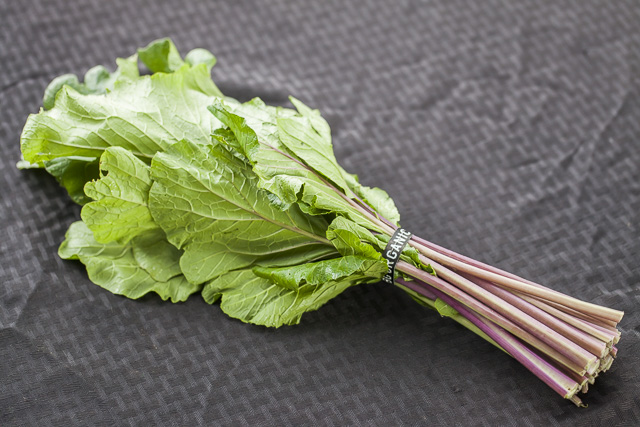 Hon Tsai Tai. Photo by Scott David Gordon.
Hon Tsai Tai - Identified most easily by it’s long, purple-y stems, hon tsai tai has a slightly sweet, mild taste. Like choi sum, this crop grows beautiful and sweet little yellow flowers that you will sometimes spot when you are sifting through the bin at market. This fun-to-say crop could be the new champion of your signature salad or soup! Give it a try!
Still confused? We hear ya, it can be super bewildering, but hopefully we painted a more understandable picture of the plethora of Asian greens we offer. If you are overwhelmed by all the recipes and are having a hard time utilizing any of the aforementioned greens, just treat ‘em like spinach (that’s what we do)!
 Photo by Scott David Gordon.
Staff Survey: What is your favorite Asian green, and how do you use it?
Matt: Choi sum. I was eating the flowers raw last weekend. Tastes like broccoli. Great stir fried with other veggies.
Tracy: Braising mix. On a sandwich with horseradish white cheddar, spicy brown mustard, ham and pepperoni with a generous bed of braising mix. Super spicy!
Ada: Choi sum. Super quick saute, beginning with stems and followed by leaves and flowers. Quick dash of soy, squeeze of lemon, and black pepper. Put on everything, or eat alone. YUM.
Charlotte: I second Ada and Matt! Choi sum, raw or sauteed is mind-blowing.
Ciara Peacock: I like using the big Bok Choy leaves to make wraps, as an alternative to tortillas. So sturdy and flavorful!
Save the date! Don’t miss our CSA Members Only Potluck on 10/22 and a Farm Tour with Slow Food Austin on 10/23!
WEEK 38 IN PHOTOS
09/23/16 — Heydon Hatcher
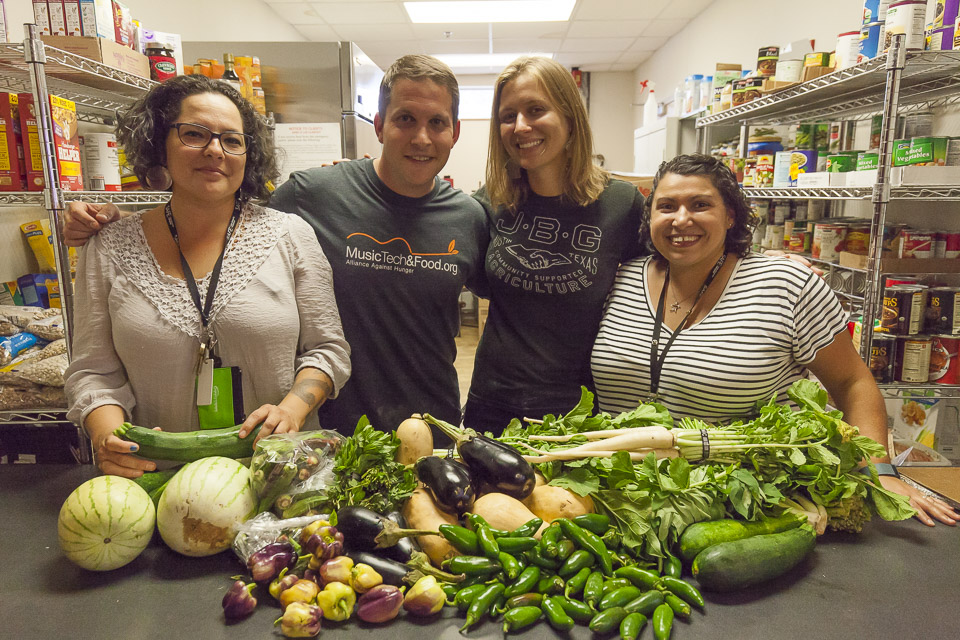
This week we went to SafePlace, an amazing organization doing critical work to keep women and families who have suffered from domestic abuse, nurtured and fed, with Jake Sussman, founder of Music, Tech & Food. From the money raised at Music, Tech & Food's various food drives, we were able to resume our sponsored share program donations to SafePlace (we've been delivering here for 5 years!). Each week, we deliver fresh veggies (a welcomed change of pace as most of the donations are in the form of canned goods) to the shelter so that clients have access to healthy meals. They are in constant need of volunteers to help out in the pantry if you want to get involved!
We also visited the ladies running the HOPE Farmers Market this past Sunday, listened to some live tunes, and vegged out. At River Road, we are busy planting cabbage, kale, broccoli, brussel sprouts, cauliflower, endive, bok choy, fennel, dill, beets, carrots, parsley, cilantro, and eleven (can you believe it?) new radish varieties. We are drowning in Asian greens, too! Check out the main post this week if you want to learn more about these interesting and new leafy greens!
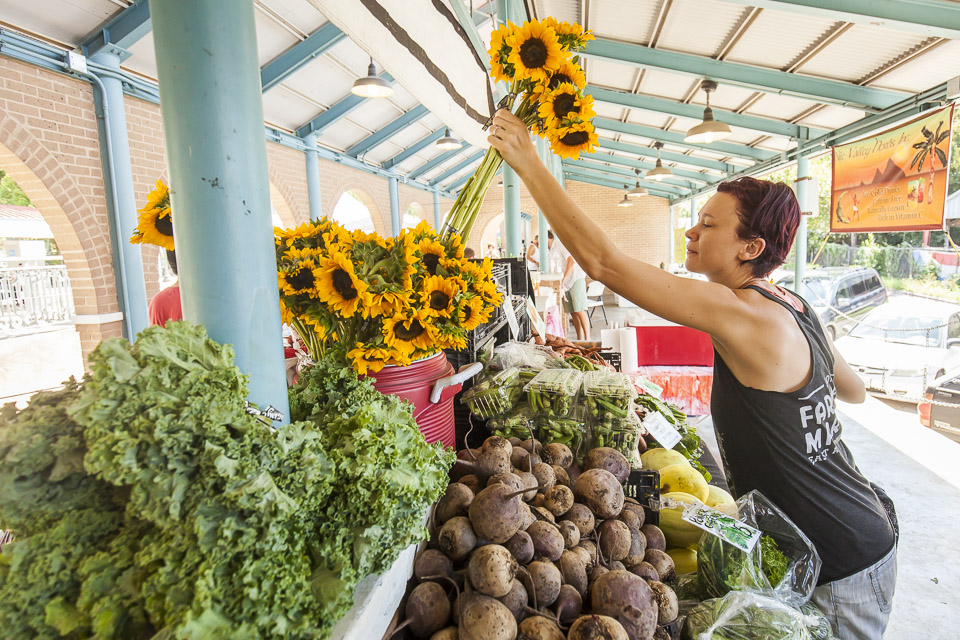 Racquel re-stocking sunflowers. Photo by Scott David Gordon.
 Family fun-times at market. Photo by Scott David Gordon.
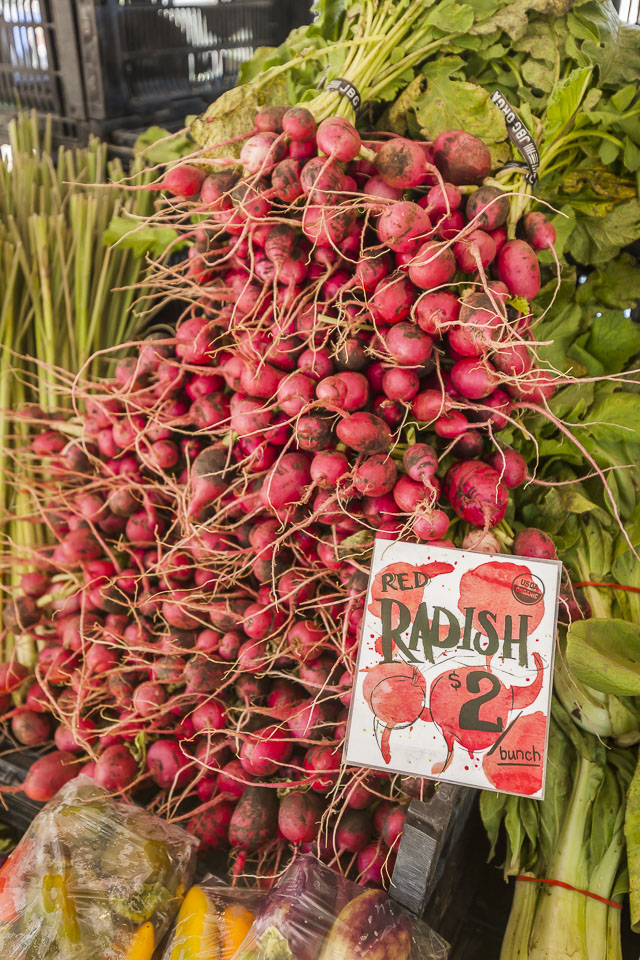 Looks radish-ing. Photo by Scott David Gordon.
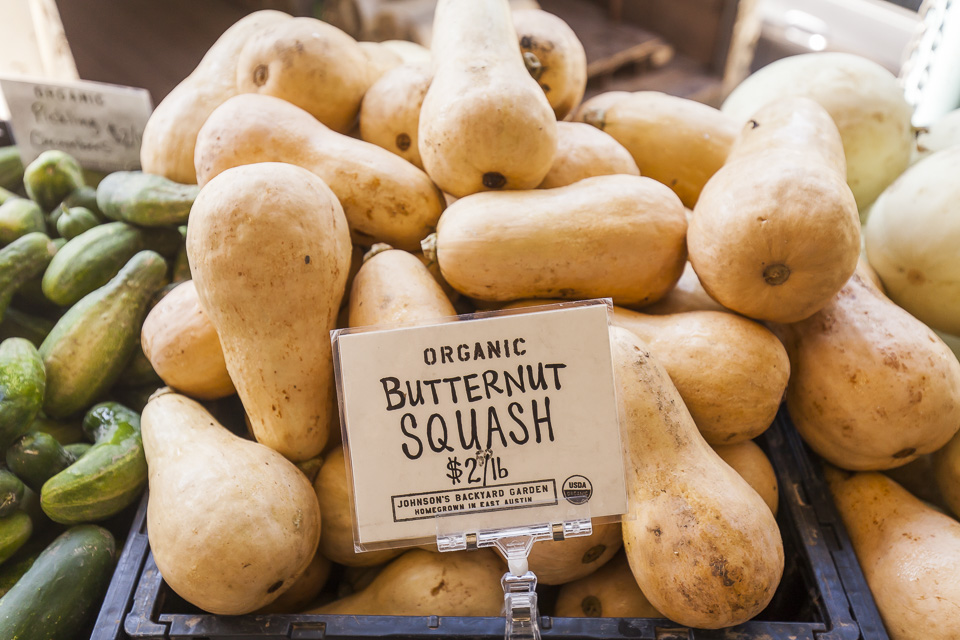 Soup, anyone? Photo by Scott David Gordon.
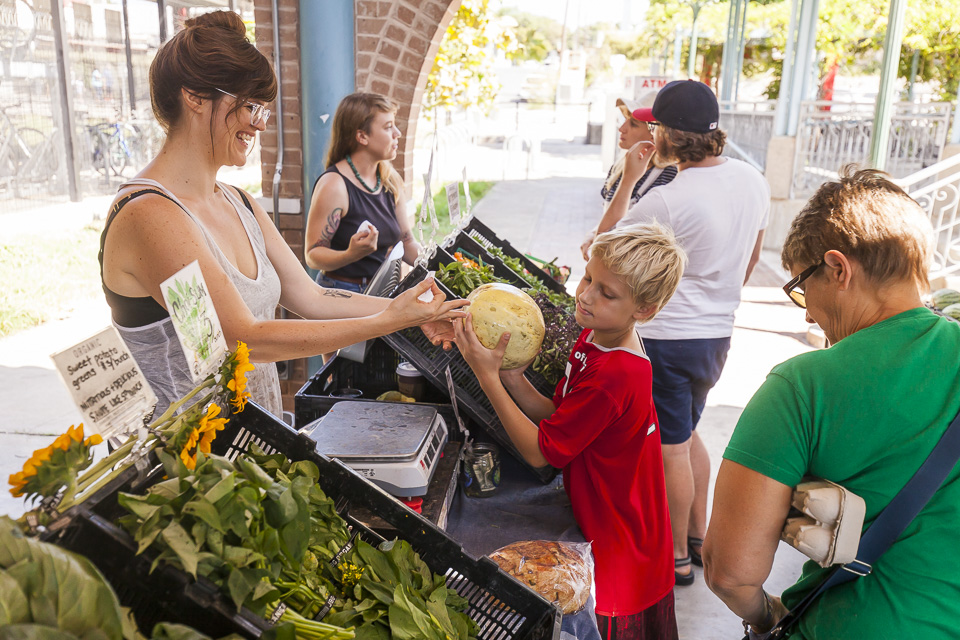 Morgan with a melon pass-off. Photo by Scott David Gordon.
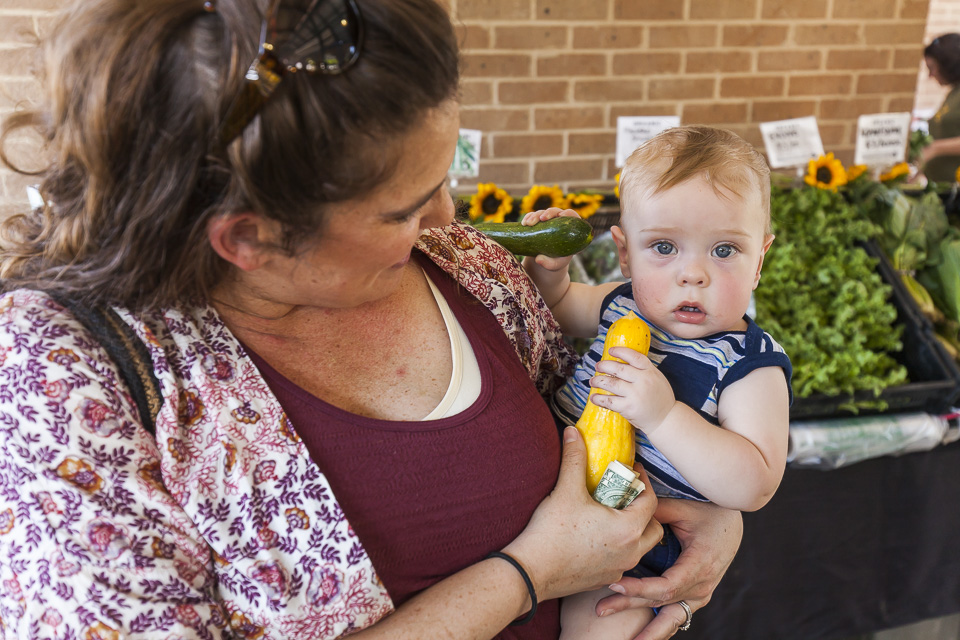 Startin' 'em young. Photo by Scott David Gordon.
 The HOPE crew, Morgan, Holly + Racquel, thanks for all the hard work in the heat! Photo by Scott David Gordon.
 Early morning harvest. Photo by Scott David Gordon.
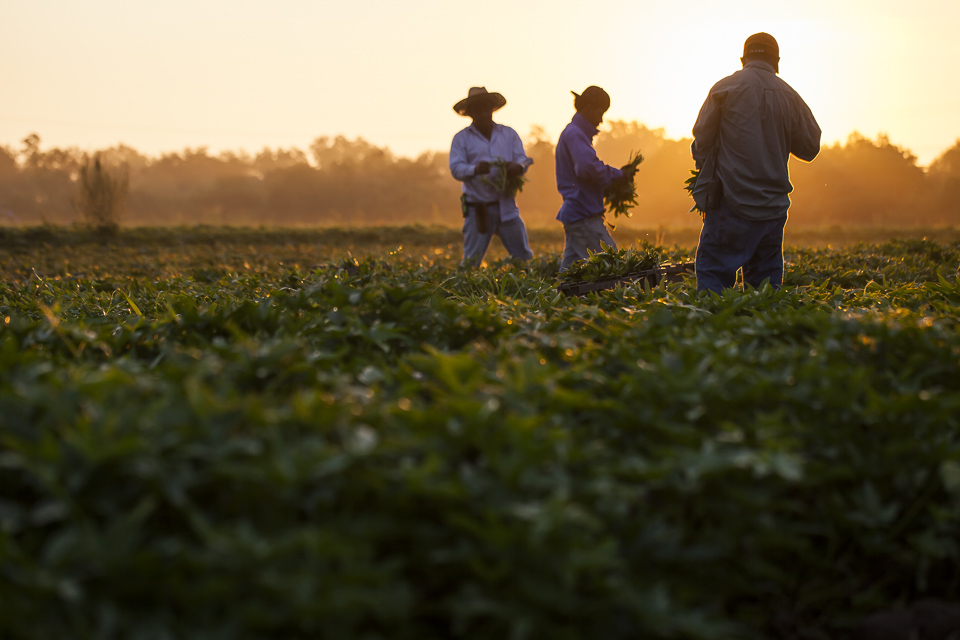 Sweet potato green sunrise. Photo by Scott David Gordon.
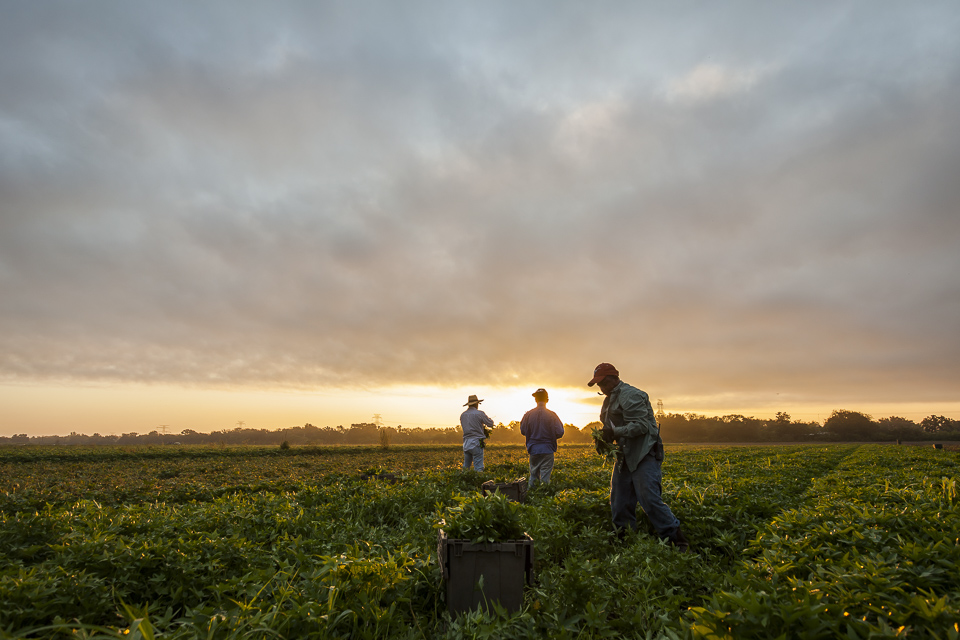 Sweet potato green sunrise. Photo by Scott David Gordon.
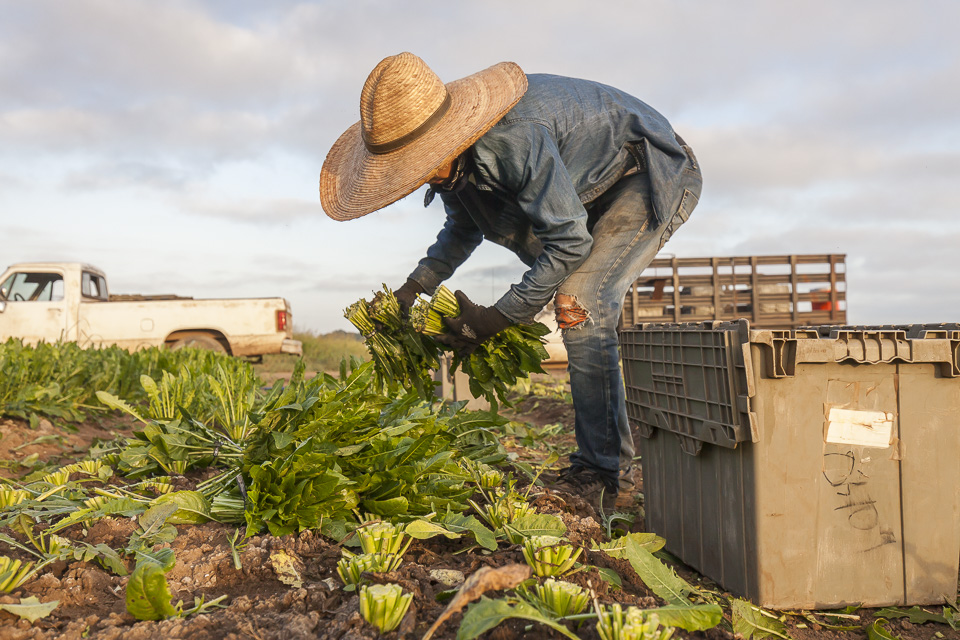 Dandelion green harvest. Photo by Scott David Gordon.
 Growin' greens. Photo by Scott David Gordon.
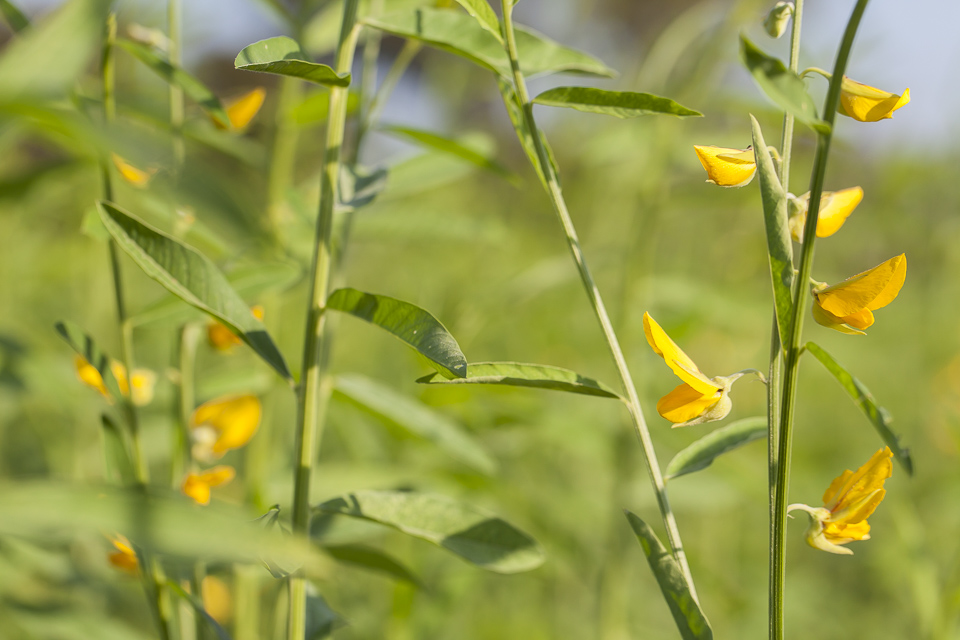 Dainty blooms. Photo by Scott David Gordon.
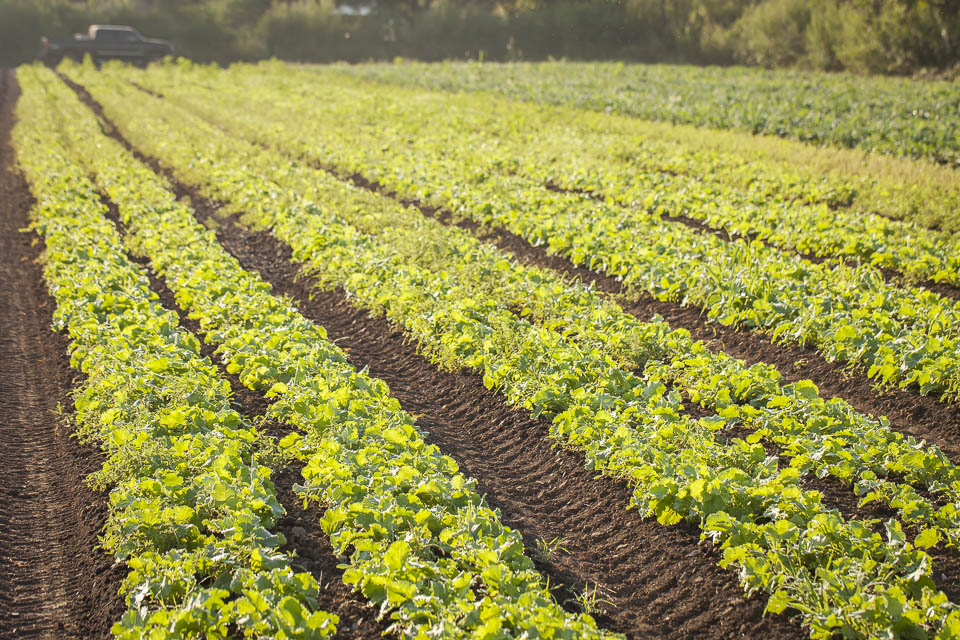 Fall crops. Photo by Scott David Gordon.
 Cheesin'. Photo by Scott David Gordon.
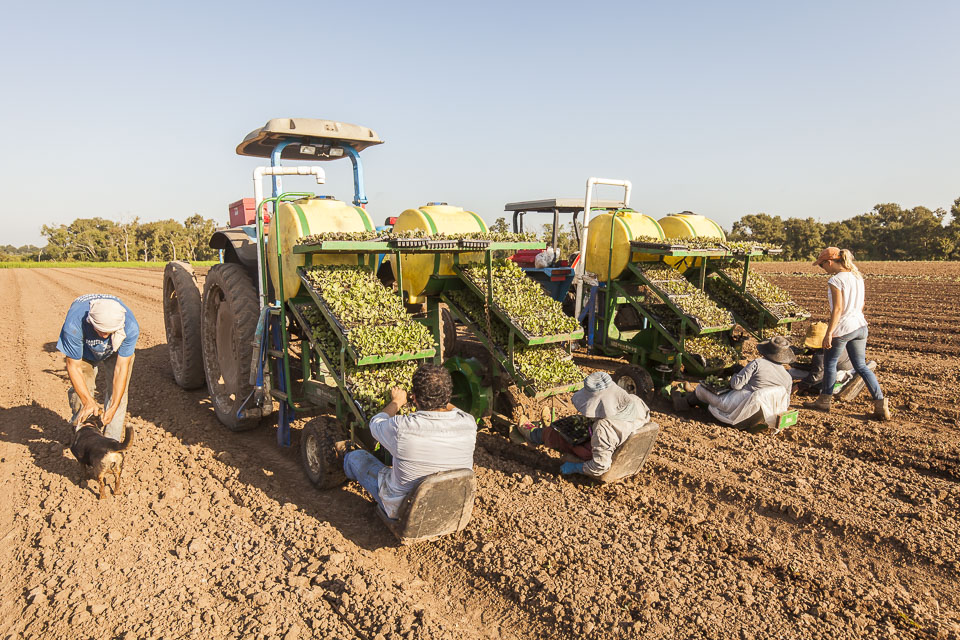 Transplants going in. Photo by Scott David Gordon.
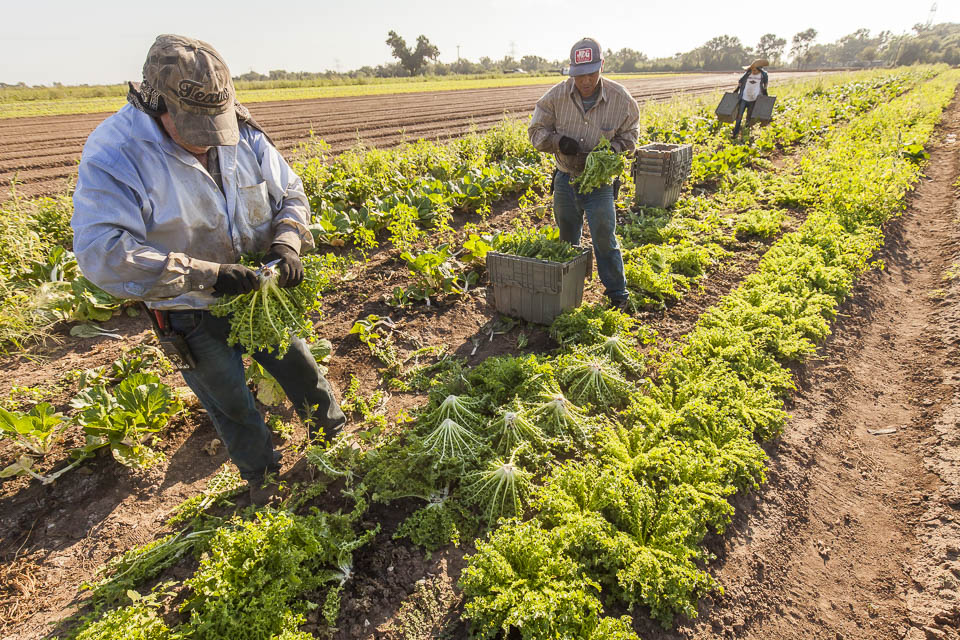 Escarole harvest. Photo by Scott David Gordon.
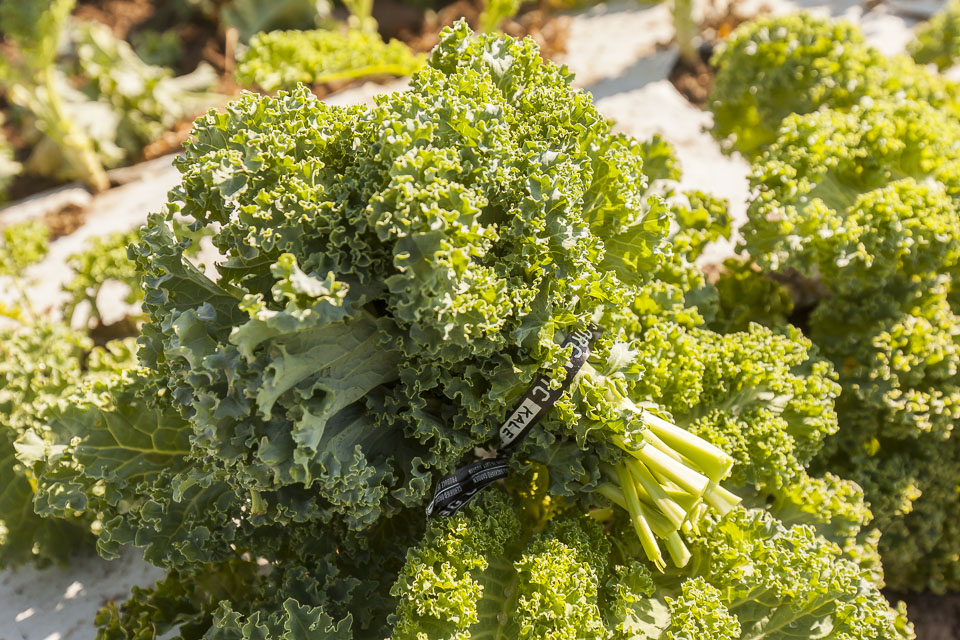 Curly kale. Photo by Scott David Gordon.
 Montana, checkin' out the situation. Photo by Scott David Gordon.
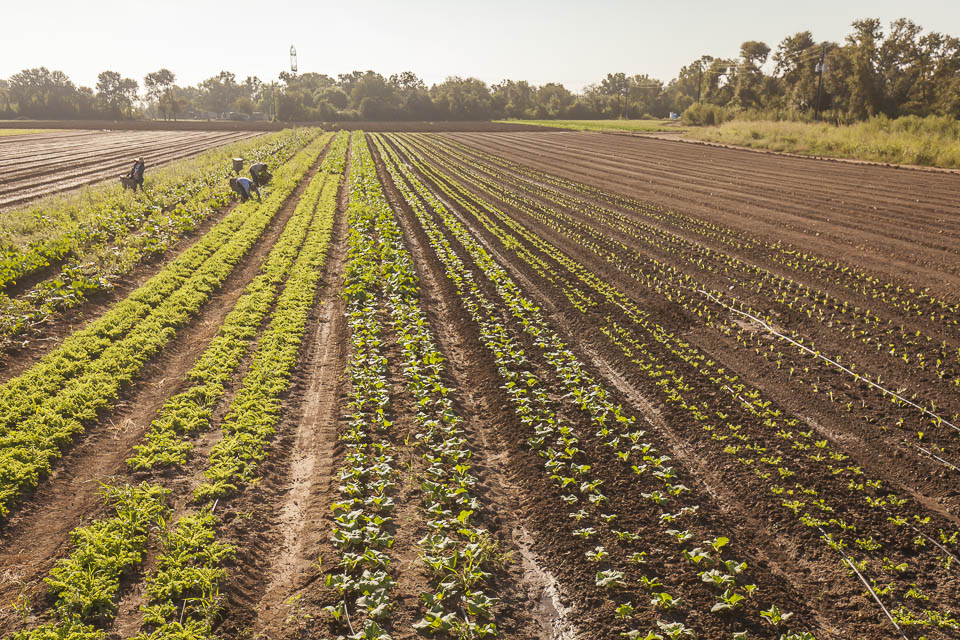 Fall crops filling in. Photo by Scott David Gordon.
 Tractor times at JBG. Photo by Scott David Gordon.
 Tractor portrait. Photo by Scott David Gordon.
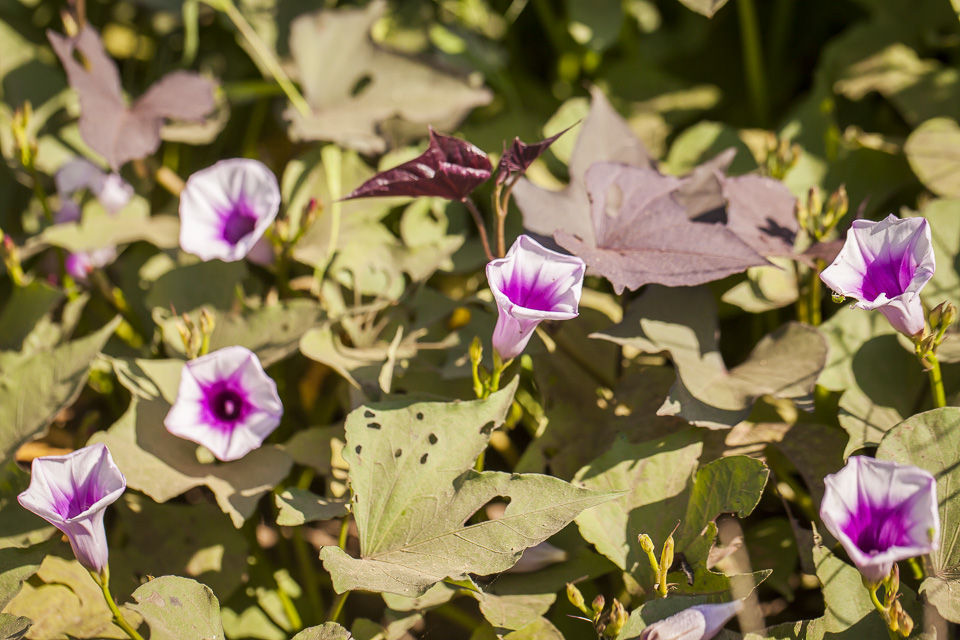 Sweet potato blooms. Photo by Scott David Gordon.