What is Community Supported Agriculture?
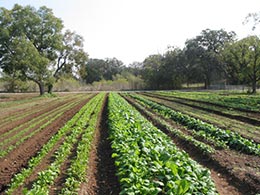
Community Supported Agriculture is much different than going to the local grocery and buying your vegetables. It is a direct partnership between you the consumer and our farm. CSA members pay in advance for a share of the upcoming harvest and are ensured high-quality local produce, and we the farm are ensured a consistent market. Produce is harvested direct from our fertile and certified organic vegetable fields located along the Colorado River just East of Austin. Immediately after harvest we deliver "CSA shares" to our members' homes, offices and over 30 community pick-up locations all on the same day.
What does a CSA Membership Include?
- A weekly or every-other-week delivery of seasonal certified organic vegetables, fruits and herbs bursting with flavor and freshly harvested from our fields.
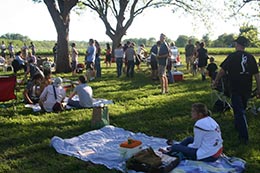
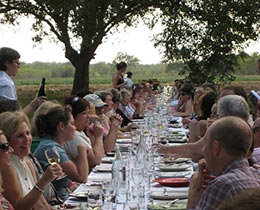
- Invitations to JBG Member events, farm workshops, gardening and cooking classes, potlucks, U-picks as well as our annual Spring and Fall farm open house so you can see where your food is grown and meet the people who produce it.
- A picture and recipe filled weekly newsletter that includes details about how to handle and store your produce. Each week we also share news from the farm and cover events and happenings in the local Austin food and farming community.
- Special member pricing on bulk-item purchases like heirloom tomatoes, seasonal organic Texas citrus and spring transplants.
- You will also have access to our online recipe database, cooking and storage tips, photos and member forums. You are also invited to join us on Facebook and follow us on Instagram or Twitter (@jbgorganic) .
- The option to add to your CSA share free-range eggs, fair-trade coffee and other selected artisanal foods from local producers.
What's in a CSA Box?
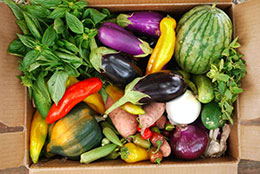
We grow over 60 different types of vegetables and herbs, and each week, members receive a "share" box filled with a variety of organically grown vegetables, fruits and herbs. The number of vegetables in your share is dependent on your box size... we have four sizes! All of the vegetables in our CSA shares come from Johnson's Backyard Garden directly and are certified organic. We select all of 100% of the vegetable varieties we grow based upon flavor, fruit abundance and adaptability. The contents of each week's box can be found on our home page, and recipes using those items are included in our weekly
blog,
Facebook,
Instagram and
Twitter posts. You can see photos of our recent CSA boxes in our
Vegetable Guide section.
What if I can't eat certain vegetables?
CSA members have spoken, and we have listened! Each week, you can login to your CSA account and customize your box during your specific "customization window". If you choose to go this route, you can swap out two items that you don't want with two items that you'd prefer from our swap list. To find out when your customization window is, call or e-mail the farm and we'll give you the details.
How much does it cost to become a member?
The cost of your CSA share depends on the box size you order. We have four sizes, and to have a share delivered to a community pickup site the prices are as follows: Individual ($22), Small ($27.50), Medium ($35), or Large ($41). For a delivery to your home, there is an additional $5 added to each box price.
How do I Sign-up?
Go to our
Join page and follow the steps to choose your membership option.
How do I identify, cook, and properly store the vegetables in my share?
We aim to grow the highest quality produce possible. Almost all of our vegetables except some storage crops are harvested the morning of delivery or the day before delivery; picking up your box as early as possible during the pick-up window will help ensure their freshness and nutritional quality. On the inside of each box is a label identifying each vegetable. Also, we post a picture of the contents of our weekly CSA share on our website. When you roll your mouse over each item, it is identified for you. Not only does it provide animated pictures with identification of the weekly offerings, but we have created a Veg Guide that includes a page for each type of produce we grow that includes information about the growing season, varieties, storage tips, cooking tips, and CSA member submitted recipes.
For more information on the Procedures and Policies please look at our
Frequently Asked Questions (FAQ's) page.



 0 ITEMS IN CART