Archive for April, 2009

Springtime Saturday Workshares Wanted

Tuesday, April 28th, 2009

Sunray summer squash.

Sunray summer squash.

Table of Contents:

1) In Your Box this Week

2) Farm News:

  • Do you have Saturday Open?
  • Field Report
  • Support Austin Community Gardens: Act Today!
  • No Trees/ No Votes — Stop the Barton Springs Tree Massacre
  • Outstanding in the Field at JBG
  • Log into your JBG CSA Membership Online

3) Events
  • Building Local Food Systems
  • Environment, Health and Food Safety
  • Going Native in the Garden
  • Spring Speaker Series
  • Austin Organic Gardeners
  • Travis County Master Gardeners Association

4) Quotable Food

5) Recipes

  • My mother’s Spicy Greens with Bulgur (Tchicha bel Khoubiz)
  • Raspberry Salsa Layered Dip
  • Kohlrabi Mint Slaw
  • Pissaladière
  • Whole Wheat Pizza Dough

6) Vegetable Storage Tips
7) Johnson’s Backyard Garden Contact Information

Please send newsletter feedback, suggestions and contributions to farm@jbgorganic.com

We’re on Facebook! We’re also on MySpace, be our friend!

Savoy cabbage.

Savoy cabbage.

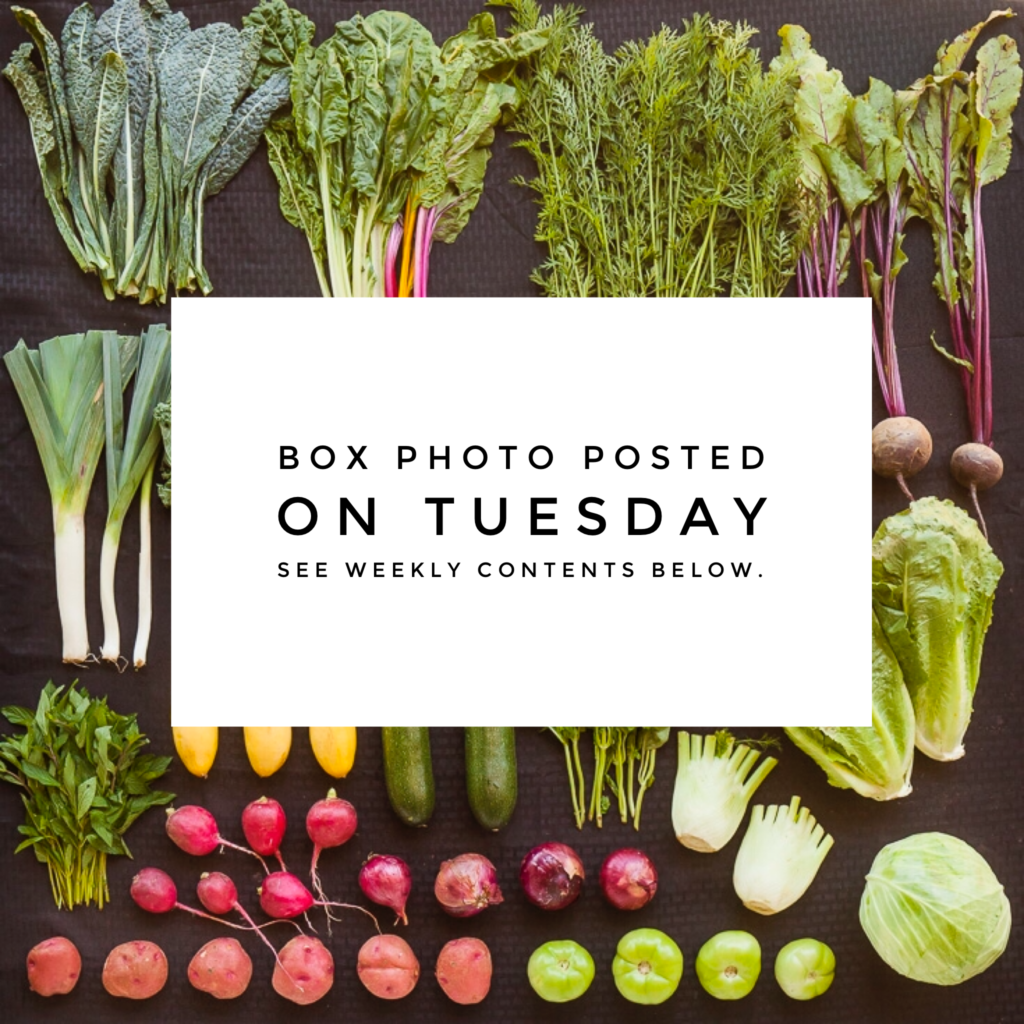
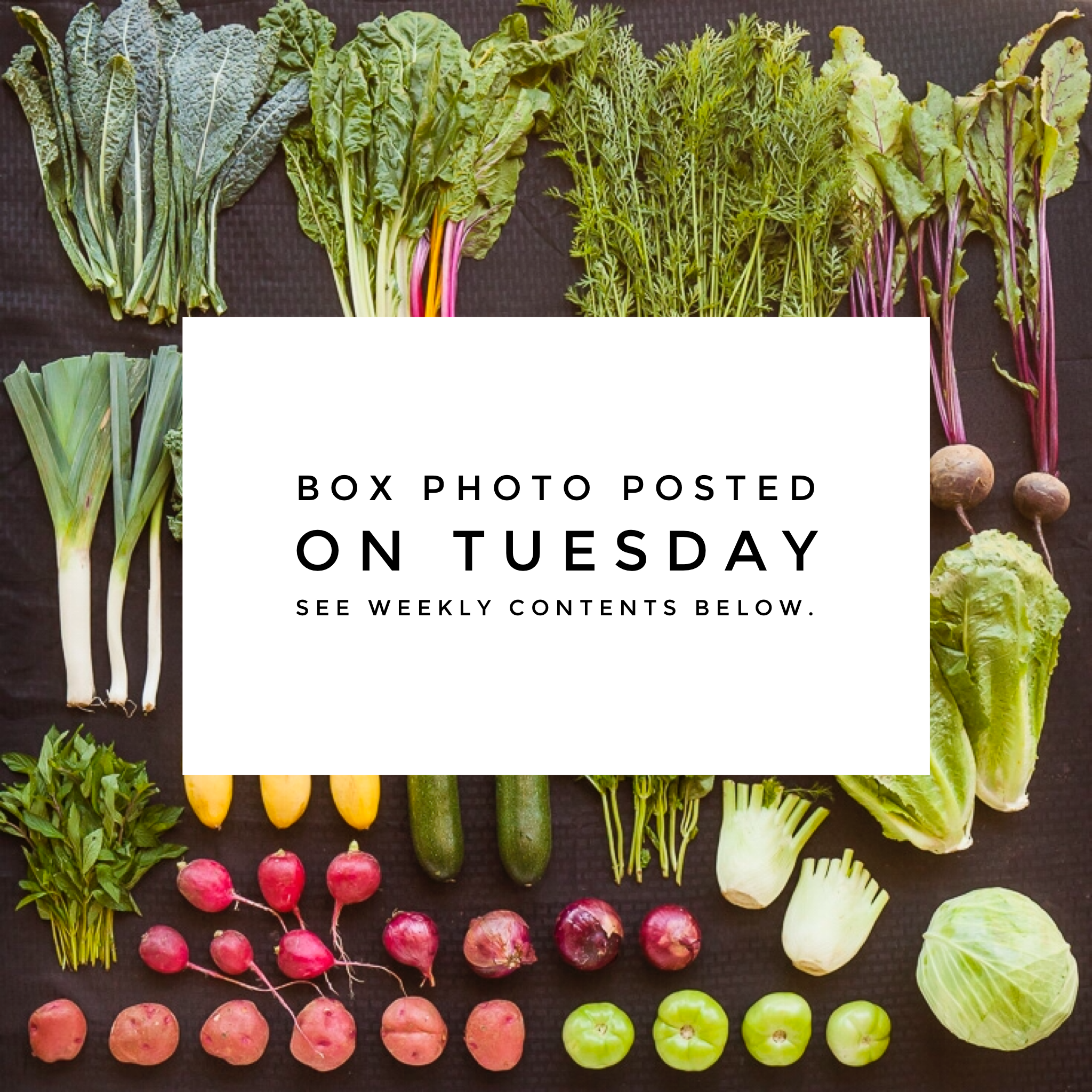
1) In Your Box this Week:

Radish
Lettuce
Arugula
Chard
Parsley
Kale
Kohlrabi
Green Garlic
Broccoli
Peas
Collards
Carrots
Beets
Summer Squash or Cabbage

This list is subject to change depending on availability and quality of crops on harvest day.  You’ll find the most accurate packing list on the homepage of our website.

2) Farm News:

  • Do you have Saturday Open?
We are looking for a several workshares to help us out on Saturday harvests. The hours are from 8am to 1pm each and every Saturday.  Now this doesn’t mean you have to be here every week but a few regular volunteers would be just what the fields need. In exchange for your volunteer time, you take home a CSA veggie box full of those wonderful just picked garden treats. Please drop Carrie an email and she will fill you in with all the details.
  • Field Report
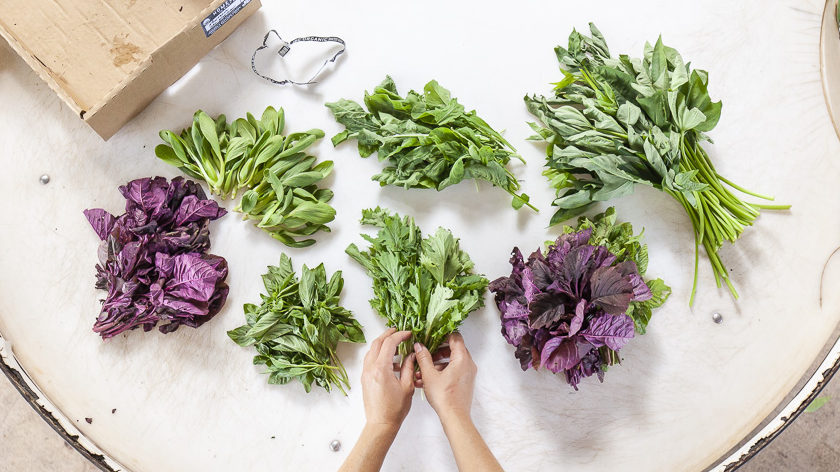
Right now we are busting at the seams with fields full of a wide array of greens, it’s that time of year.  But we also have that spring gush of growth that means your CSA box will have a bit more diversity very soon. Beets and carrots are close to harvest, some will be ready this week. Potatoes, summer squash and cabbage are coming on also. This week Will spent some time cultivating the tomatoes to keep competing weeds at bay.
img_8673-1
Freshly cultivated tomatoes will stay weed free for another month.
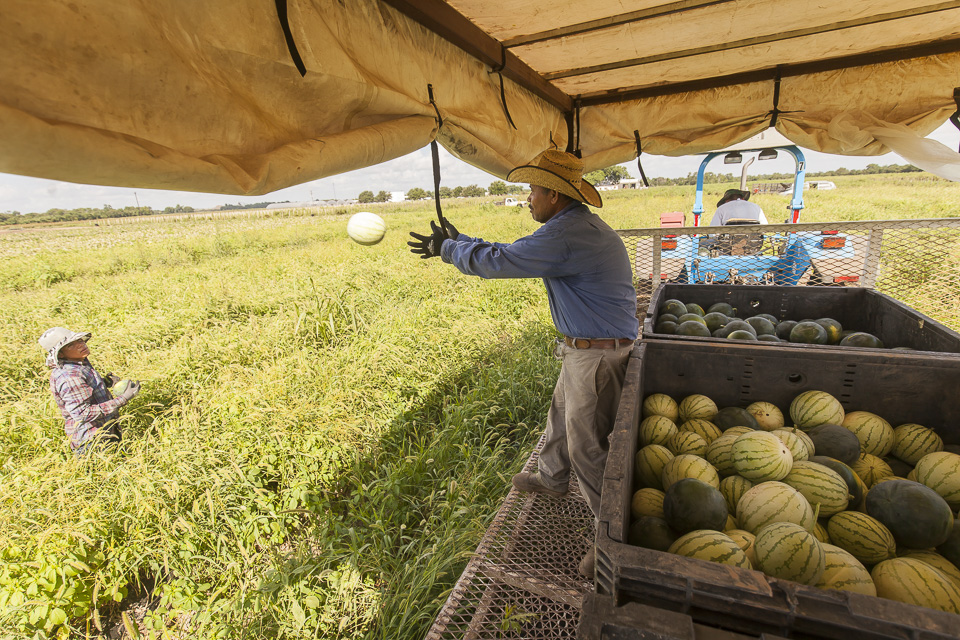
Other field maintenance included filling in rows of musk, honeydew and watermelon starts. Several weeks ago, we tried direct seeding the melons to the field and also seeding trays in the greenhouse. Luckily for us we did both. The melons seeded to the field had a miserable showing, only about 10 % of the crop germinated. I suppose a combination of problems including field mice and that late cold snap we had did not help. The greenhouse starts did wonderfully and we were able to fill in the existing rows with good size plants.

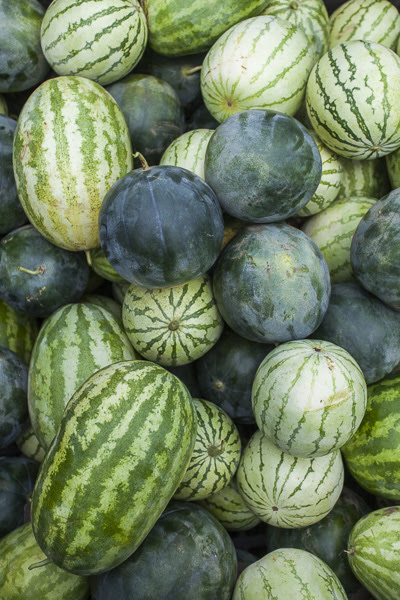
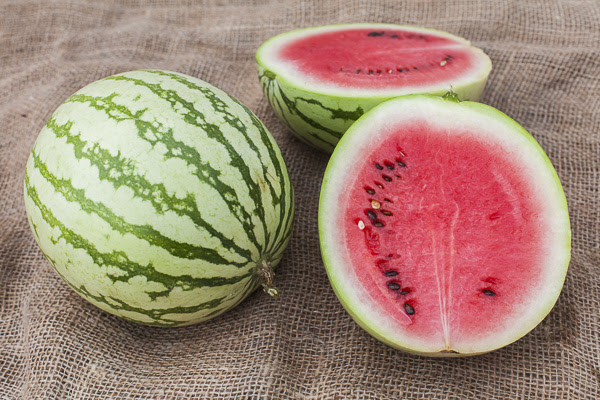
This year we are producing several varieties of melon. Sugar Baby watermelon, is an extremely sweet, small 4 to 5 pound melon. It’s size will fit into the CSA boxes perfectly. Cantaloupes include the other types of melons such as musk, honeydew and galia. This season you will receive Orange Sherbert, Hale’s Best Jumbo, Super 45, and Ambrosia muskmelons, Rocio honeydew, and Visa galias.

Galia melons were developed in Isreal and are a recent introduction to the States. Galias, if you are not yet familiar with them, basically look like cantaloupes but the rind is much more golden and the flesh is an appealing pale yellow to green, having a texture more like that of a honeydew. How do you tell a ripe galia? Well, not with softness at the stem end like many melons, but instead you should use the colour and fragrance. Ripe galias will be more yellow than green, and will give off a good melon fragrance from the stem end.

We spent a day figuring out the best practices for harvesting garlic and the rest of the week pulling up the garlic beds. We have just about 2/3 an acre planted in garlic this year. We settled on a process of trimming the roots off while in the field, but not the green shoots and leaves. Greens left in tact during the drying process help to concentrate the sugars in the garlic bulbs. If you have your own garlic growing at home, do not wash the dirt off the plants at this stage. You don’t want to add moisture at the start of the drying process. Green shoots and leaves will be trimmed when the garlic has cured for about three weeks in the barn. At this time any remaining dirt can easily be brushed off by hand.

All our available harvest bins are currently filled to the brim with drying garlic. This means we had to scramble around on Saturday to locate enough bins for harvesting other veggies but the pay off is well worth it. Walking anywhere near the barn this week fills your head with the scent of garlic, it’s not overpowering but it does smell like we’ve been doing a lot of Italian cooking. Aioli, all I can think about is Aioli.

We are also preparing for a large potato harvest. Potatoes have an odd harvest routine. While the vines will eventually die back naturally, they are sometimes drastically cut back 2 to 3 weeks before harvest to increase skin set, control late blight, facilitate mechanical harvest and stop tuber growth. Will cut the vines down last week, so we will be digging spuds with in the next few weeks.

  • Support Austin Community Gardens: Act Today!
Community gardens are an essential part of a vibrant, livable, and sustainable city. They offer space for residents who live in apartments or have a shady yard to grow fresh, healthy food. Community gardens help unite neighborhoods, contribute to neighborhood beautification, and connect urban dwellers with nature. They facilitate communication, foster intergenerational and cross-cultural connections, encourage physical activity and provide therapeutic benefits. The impact of these spaces is immeasurable and invaluable.
The number of community gardens in Austin is small compared to other cities of similar size and development pressures are putting community gardens in Austin in jeopardy. An opportunity though to promote community gardens in Austin is here. The Austin Parks and Recreation Department is seeking input about its Long Range Plan for Land, Facilities and Programs, 2010-2015. Let Austin PARD know that you want it to support community gardens by sending your comments to longrangeplan@ci.austin.tx.us. before April 30, 2009.

To read the Austin Parks and Recreation Department Long Range Plan for Land, Facilities, and Programs, visit: http://www.ci.austin.tx.us/parks/longrangeplan.htm.

Muskmelon seeded to trays.

Muskmelon seeded to trays.

  • No Trees/ No Votes — Stop the Barton Springs Tree Massacre

This email was forwarded to us from Evelise Sandidge, who hosts the South Central drop off site:

The more I learn about this, the worse it gets.The beautiful pecan canopy just outside the entrance to the springs — all but one of those will go. These trees are just bursting out and are vibrant with spring energy and beauty today. They are exactly in the same state as trees along the road, which are not scheduled for cuts. The rating system Daves used gives 4 “kill” points to trees beneath which there is a good deal of public traffic. One third of their rating system has nothing at all to do with the health of the tree. They say these trees have a useful life of 100 years, but every other source I find says that pecans live 300 – 350 years.The two cottonwoods behind the diving board are slated to go. These are healthy trees — I was standing there when Don Gardiner told the city that summer before last, when the Master Plan tree kills began.Two trees on the South hill nearest the water are on the hit list — trees that shade the water which reduced algae growth (algae grows to the light).The water temperature in Barton Springs has increased about 5 degrees, some days more, in the last two years. No shade on the water will make it worse. How will your experience of the pool be changed by the loss of shade?

The language the City is using to justify this most recent attack on the springs is that they have to protect public safety.  They have set up a fear equation — trees or people. A false dichotomy. There are ways to protect people from the possibility of falling limbs — cables, tree maintenance, fence off high risk trees.

A third of the trees slated for massacre are in the footprint for Master Plan construction projects. 28 trees all at once? That’s a catastrophe. Unthinkable.

The City Council will hear a briefing tonite — the city will show the slide show we saw Monday night — showing the trees that will be killed — one after another, I’ve seldom seen anything so mind numbingly horrible. Based on this bizarre rating system.  No public comment. How typical is this?

The final decision will come after (what a coincidence) Council elections.

So — use this link to tell council — no trees/no votes.  Starting today — tell Council Members every way you can that you will not vote for anyone who will not pledge to save the trees.

This is the address for all the council members:

  • Outstanding in the Field

Keep your fall calendar open for this event!  Outstanding in the Field will be hosting an elegant meal at JBG’’s on September 29 at 3pm in the pecan orchard. There are less than 50 seats left and will likely sell out. Local chef Jesse Griffiths will be preparing a farm-style five course meal. Get registered for this event before it’s too late!

  • Log into your JBG CSA Membership Online
You can manage your Johnson’s Backyard Garden CSA membership online. At CSA accounts,you can make payments, check schedule pick up times and dates, and renew or change your order. It’s the best way to stay up to date with your individual account. If you experience any difficulties managing you account, please contact Carrie at the farm Monday- Friday before 12:30 pm at 512.386.5273 or email her at farm@jbgorganic.com.

Zucinni is on the way.

Zucchini is on the way.

3) Events:

  • Building Local Food Systems

April 30, 7pm, MonkeyWrench Books (110 E. North Loop)
Meet individuals and organizations in Austin that are contributing to food access, efficacy and awareness that helps make a local, sustainable food system possible.

* Andrew Smiley, Sustainable Food Center
* Youth participants, Urban Roots
* Erin Flynn and Skip Connett, Green Gate Farms
* Moderator: Marla Camp, Edible Austin

  • Environment, Health and Food Safety

May 7, 7pm, Center for Community Engagement (1009 E. 11th Street)
Explore the impacts of the conventional food system on the environment, health, and food safety.

* Curt Ellis, filmmaker, “King Corn”
* Charlotte Herzele, University of Texas at Austin
* More speakers TBA
Sponsors: American Friends Service Committee, Fair Food Austin, MonkeyWrench Books, Oxfam-UT, PODER, Sustainable Food Center, Texas Fair Trade Coalition, Center for Community Engagement (UT-Austin), Urban Roots, Workers Defense Project

For more information, visit
http://fairfoodaustin.blogspot.com
http://monkeywrenchbooks.org

  • Going Native in the Garden

April 30, 7-9pm. Free seminar by Travis County Master Gardeners. More info at www.tcmastergardeners.org/what/edseminars.html

  • Spring Speaker Series

Varying times on select days through May 30. Check Web site for schedule. 10 a.m. today: Mixing It Up With Dave: Container Patio Gardening at its Best!’With Dave Mix, Pacific Home and Garden. Free. The Great Outdoors Garden Center Nursery, 2730 S. Congress Avenue. www.gonursery.com

  • Austin Organic Gardeners

The Austin Organic Gardeners meet the second Monday  of every month at Zilker Botanical Garden. www.austinorganicgardeners.org
Meetings start at 7 p.m.

  • Travis County Master Gardeners Association

The Travis County Master Gardeners Association holds it’s monthly meetings on the first Wednesday of each month. www.tcmastergardeners.org Meetings starts at 7 p.m.

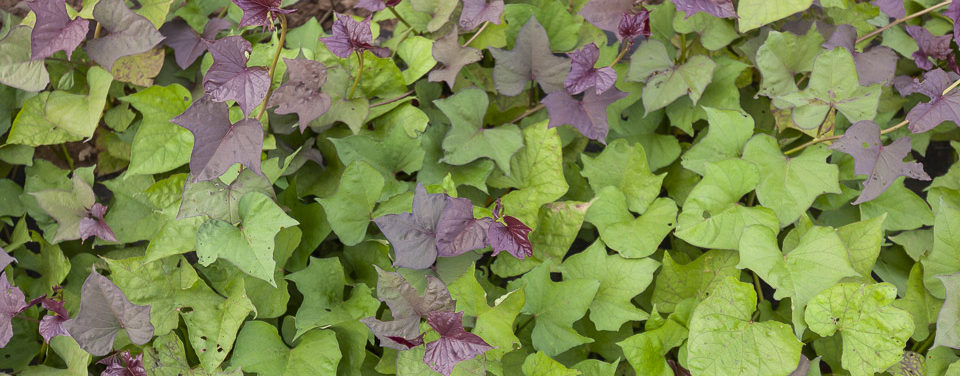
Sweet potatoes have sprouted. We will divide the starts to produce 'slips' and then replant them to produce the final crop.

Sweet potatoes have sprouted. We will divide the starts to produce 'slips' and then replant them to produce the final crop.

4) Quotable Food:

Organic farming has been shown to provide major benefits for wildlife and the wider environment. The best that can be said about genetically engineered crops is that they will now be monitored to see how much damage they cause. ~Prince Charles

5) Recipes:
Several of you sent in recipes from our recent potluck…….Thanks to you all.

Cynthia Riddle sent this recipe. My husband, son and I had a fantastic time at the picnic on Sunday! The music was great, the weather was beautiful and the people were so much fun. Thanks for inviting us to come check out where our yummy vegetables are from.

  • My mother’s Spicy Greens with Bulgur (Tchicha bel Khoubiz) Recipe: Serves 4

2 tbsp extra virgin olive oil
1 medium onion, peeled and finely chopped
3 garlic cloves, peeled
1 tsp cumin, freshly ground
1 tsp red chili pepper flakes
1/4 tsp turmeric
1 tbsp tomato paste
2 cups chicken or vegetable stock
2 tbsp fine bulgur
1 spinach bunch
1 arugula bunch
1 tbsp cilantro leaves, roughly chopped
1 tbsp parsley leaves, roughly chopped
Salt, Black Pepper

Wash the spinach and arugula.Drain off the excess water and put them in the basket section of a steamer. Cover and steam over simmering water until the greens just start to wilt, but still have their vibrant green color, about 5 – 7 minutes.When cold to handle, squeeze the water out of the greens and chop roughly. Set aside.

In a pan, heat the olive oil.Add the onions and cook on a medium heat until translucent but not brown, about 5 minutes.Meanwhile, pound the garlic with turmeric, cumin, and pepper flakes to a paste using a mortar and pestle.Add the garlic paste to the onions and stir to incorporate. Add The tomato paste and the stock and bring to a boil. Add the bulgur and stir again. Lower the heat to a gentle simmer and cook covered until the bulgur is tender, about 15 minutes, depending on the variety of your bulgur. Uncover the pan and add the steamed greens and the herbs to the sauce. Stir and cook for another 2 minutes and then remove from the heat. Season with salt and pepper and serve.

The dish keeps well in the fridge for up to 2 days, although I never recall keeping it longer than one day.

Norma Kelvin sent this message and recipe: Oh I’m so happy you guys will be offering/collecting the recipes! I loved a lot of the dishes and was saying that sharing would be a great idea!  Here’s the one I brought.

  • Raspberry Salsa Layered Dip

1 16oz can black beans, drained
8oz cream cheese thinly sliced
1 medium purple onion chopped
1 16oz jar raspberry salsa (or Newman’s Peach salsa, or your favorite salsa)
8oz. jalapeno monterrey jack cheese, grated

Layer in order – beans, cream cheese, onion, salsa, grated cheese

Bake at 350 for 30 mins.

This also came in from the potluck:

  • Kohlrabi Mint Slaw

Shred &/or sliver the following in a large bowl
1/2 head green or red cabbage
1 lg kohlrabi
4 or 5 radishes
1 apple – I used a Gala

Leave the slivers of apple on top and sprinkle with fresh lime juice – 1 TBL or more – then toss and mix with the rest of the vegetable.

Mince a bundle of mint – a great big handful (about a cup or more!) and toss with the rest.

Eureka cucumbers ready to be moved to the field.

Eureka cucumbers ready to be moved to the field.

Marian Schwartz sent this in response to my request for that ‘caramelized onion bread’:
Well, that would be me. It was actually a vegetarian pissaladiere from Martha Rose Shulman’s fabulous book, Mediterranean Harvest, a compendium I’ve shared with this group before. I’ve attached the two recipes of hers I used–a whole wheat pizza dough and the pissaladiere recipe itself–but my execution was slightly different:
–double the dough recipe to make the dish go further, but the thickness and fast, high-heat baking also made it nice and soft
–a rectangular baking sheet, again to make lots of small squares
–double the pissaladiere ingredients, so 4 pounds of onions for that one pan

I’ve been making pissaladiere for years, but this is the first recipe I’ve seen that calls for pureeing the capers, which I think is a great improvement. I’ve also never made it without the traditional anchovies before, but I didn’t think they were missed particularly. I had fresh thyme growing in a pot outside, so that may also have contributed to the great flavor.

Reid and I had a great time on Sunday. Pretty darned idyllic.

  • Pissaladière

3 T olive oil
2 lb sweet yellow onions, finely chopped
salt and freshly ground pepper
3 garlic cloves, minced
½ bay leaf
2 tsp fresh thyme leaves (or 1 tsp dried)
1 T capers, drained, rinsed, and puréed
One 12- to 14-inch pizza crust, ready for the oven
20-24 whole Niçoise olives

Set a baking stone on the center rack and heat the oven to 475°F.Heat 2 T olive oil in large, heavy, nonstick skillet over medium-low heat. Add onions and cook, stirring, until they begin to sizzle and soften about 3 minutes. Add a generous pinch of salt, some pepper, and the garlic, bay leaf, and thyme. Stir everything together, reduce the heat to low, cover, and cook slowly for 45 minutes, stirring often. The onions should melt down to a purée. If they begin to stick, add a few tablespoons of water. Stir in capers, taste, and adjust seasonings. If there is liquid in the pan, cook over medium heat, uncovered, until it evaporates. Discard the bay leaf. Brush 1 T oil over the pizza dough. Spread the onions over the dough in an even layer. Dot with the olives.

Place the pizza pan on the stone. Bake 15-20 minutes, until edges of the crust are brown and the onions are beginning to brown. Pull out the lower rack of the oven and carefully slide the pizza from the pan onto the lower rack. Return to the oven for 1 minute to get a nice crisp brown bottom on the crust. Slide the pizza back onto the pan, or onto a paddle, and serve hot or at room temperature.

  • Whole Wheat Pizza Dough

2 tsp dry active yeast
1 tsp sugar
1 c warm water
1 T extra virgin olive oil, plus additional for brushing the pizza crusts
¾ c whole wheat flour
2-2¼ c unbleached all-purpose flour
1¼ tsp salt

Mix together yeast, sugar, water, and olive oil in small bowl. Let sit 2-3 minutes, until water is cloudy. Place whole wheat flour and 2 c unbleached white flour in a food processor. Pulse once or twice, then with machine running, pour in yeast mixture. Process until dough forms a ball. Remove and knead on lightly floured surface for a couple of minutes, adding flour as necessary for a smooth dough.

Transfer dough to a clean, lightly oiled bowl, rounded side down, then turn so the rounded side is up. Cover bowl tightly with plastic wrap and let rise in warm spot for 1 hour. When ready, the dough will stretch as it is gently pulled.

Lightly oil two pizza pans and dust with semolina. Roll or press out the dough one ball at a time, to a circle 12-14 inches in diameter; alternatively, use a rolling pin. Place dough on pizza pin and form a slightly thicker raised rim around the edge. Brush everything but the rim with a little olive oil.

Tomatoes growing in the greenhouse.

Tomatoes growing in the greenhouse.

6) Produce Storage Tips:

We aim to grow and package our vegetables to maintain the highest taste and nutritional quality possible. However, once they’ve left the farm it’s up to you to keep them fresh and nutritious. There’s no refrigeration at the CSA drop points so it’s best to pick up your box as early as possible. Here are some additional tips on how to store this week’s share:

Spinach, Kale, Chard, Lettuce, Salad Greens, Pak Choi, Braising Mix and Cooking Greens will stay fresh in the crisper for 4-7 days and should be kept in plastic bags. Any bunch greens can be freshened by cutting an inch of the bottom stalks and soaking the entire bunch in cold water for 10 minutes. Place in a plastic bag in the fridge for a few hours to revive. Also, when you receive lettuces and other delicate greens like arugula, you will notice that we bag them wet. This helps keep them fresh until members can pickup and refrigerate them. The lettuce heads, lettuce mixes, and arugula should not be refrigerated wet, though. Once you bring these vegetables home, you should wash and dry them before bagging and refrigerating. If you follow these steps, you lettuce should stay fresh.

Carrots, Radishes, Turnips, Beets, and Parsnips should be stored in plastic bags. They’ll last two weeks in the fridge. Take tops off carrots before storing, leave greens on radishes, turnips and beets, with both roots and tops in the bag.

Broccoli, Brussels Sprouts, Scallions, and Summer Squash will last 4-7 days in plastic bags in the crisper.

It is best to store the Onions at 40 to 45 degrees F. Don’t whole store onions in the refrigerator because the moisture is bad for them. Don’t store potatoes near onions. The onions will absorb moisture from the potatoes.

To store Kohlrabi for several weeks, remove the leaf stems and place, unwashed, in sealed plastic bags in the refrigerator.

Checkout our storage tips on our website for a more complete guide, and of course, feel free to contact us with any questions. The National Center for Home Food Preservation is your guide for how to can, freeze, dry, pickle or ferment just about anything.

Patty pan squash and blossom.

Patty pan squash and blossom.

7) Johnson’s Backyard Garden Contact Info:

Johnson’s Backyard Garden
9515 Hergotz Lane, Box E
Austin, TX 78742

Office Phone: 512.386.5273
Office Hours: M-F 8am to 12:30pm

e-mail: farm@jbgorganic.com
website:
www.jbgorganic.com

The Florida Weave

Tuesday, April 21st, 2009

Our annual spring potluck in the pecan orchard.

Our annual spring potluck in the pecan orchard.

Table of Contents:

1) In Your Box this Week

2) Farm News

  • A Grand Time was had by All, Our Potluck was a Success
  • Outstanding in the Field at JBG: September 29th
  • The Florida Weave
  • Log into your JBG CSA Membership Online
  • The German Turnip- Kohlrabi

3) Events
  • Earth Day at Austin Farmers’ Market at Triangle Park
  • Garden to Market
  • Building Local Food Systems
  • Environment, Health and Food Safety
  • Spring Speaker Series
  • Austin Organic Gardeners
  • Travis County Master Gardeners Association

4) Quotable Food

5) Recipes

  • Scalloped Kohlrabi and Turnip

6) Vegetable Storage Tips
7) Johnson’s Backyard Garden Contact Information

Please send newsletter feedback, suggestions and contributions to farm@jbgorganic.com

We’re on Facebook! We’re also on MySpace, be our friend!

Radishes peek out from under thier greens.

Radishes peek out from under their sun-filled electric greens.

1) In Your Box this Week:

Radish
Lettuce
Arugula
Chard
Mint
Kale
Kohlrabi
Green Garlic
Mustard
Spinach
Broccoli
Peas
Collards

This list is subject to change depending on availability and quality of crops on harvest day.  You’ll find the most accurate packing list on the homepage of our website.

Onion Creek Crawdaddies produced a great evening of tunes for us. Thanks.

Onion Creek Crawdaddies produced a great evening of tunes for us. Thanks.

2) Farm News:

  • A Grand Time was had by All, Our Potluck was a Success:
Yesterday afternoon brought sunshine, cool breezes, and many people we appreciate together in our three acre pecan orchard.  The music was entertaining beyond compare.  The food was an amazing array of delights (more on that later). The community of folks who joined us for this annual event filled the farm with good karma for the season.
Relaxing in the shade of the pecans.

Relaxing in the shade of the pecans.

Everyone got to play farmer.

Everyone got to play farmer.

And then there was food.

And then there was food.

Now back to the food at the potluck. Several people asked for recipes of items brought to the potluck. So I’m putting out a call to collect said recipes from all of you. Next time around, we’ll see f I can get you to bring your recipes with you.  There was a caramelized onion dish atop a soft bread. Not knowing what it was I first thought it would be sweet and then was thrilled to find it savory. A salad of green and purple grapes, walnut, Gorgonzola and what was that dressing? Amazing brownies and cakes, one with a strawberry puree; another a scrumptious peach torte. Salads, breads, casseroles, you name it (did I mention homemade vanilla ice cream with pecans?). Please send your recipes from the potluck to the farm for us to share.

  • Outstanding in the Field at JBG: September 29th

Don’t forget our next big dinner this fall.  Outstanding in the Field will be hosting here at JBG’’s on September 29 at 3pm in the pecan orchard. There are only 70 seats left and will likely sell out. Local chef Jesse Griffiths will be preparing a farm-style five course meal. Get registered for this event before it’s too late!

  • The Florida Weave

Today Will and Evelyn did the Florida Weave. The tomatoes are growing quickly and need support for their ever burgeoning weight. The system for trellising our indeterminate tomatoes (the heirlooms) is commonly known as the Florida Weave. I realized, while watching Will weave his way across the field, that still photos could never do this display justice.

Both Evelyn and Will strapped a box of twine to their hips. They then threaded the twine through a pvc pipe that had two hoes drilled in either end of the three foot long piece. This allowed the twine to easily be wrapped around the tomato stake about 12 inches from the ground. The weaving began. Loop, sweep up the meandering vines, pull tight, step to the next stake, and loop again.

Harvesting is made easier by weaving each trellis only one-third the length of each row. First down one side of the row, circling back across the row at the one-third mark, and repeating the weaving pattern back to where they started.

evely

Using a box of twine attached to her hip and a pvc pipe threaded  much like a two ended needle, Evelyn winds her way through the tomato stakes.

The first pass of the Florida Weave.

The first pass of the Florida Weave.

The second pass of twine.

The second pass of twine.

The final support system for this week's tomatoe growth. We'll make a few more passes each month to guide the tomatoes upward.

The final support system for this week's tomato growth. We'll make a few more passes each month to guide the tomatoes upward.

  • Plant Sales will last One More Week

Our organic vegetable starts will be available for one more week through our website.  Get your order in soon.  This is not your last chance however, we’ll be selling plants starts at the Triangle Farmer’s Market in the next few weeks.  If you’re interested in raising some of your own vegetables this season, check out our web site to place your order.

We’ve also donated starts to the Capitol Area Food  Bank this week. If you know of any other organizations that might be interested in starts please let us know.

anaheim_hot_peppers_seeds1rosa-bianca-l74321

  • Log into your JBG CSA Membership Online
You can manage your Johnson’s Backyard Garden CSA membership online. At CSA accounts,you can make payments, check schedule pick up times and dates, and renew or change your order. It’s the best way to stay up to date with your individual account. If you experience any difficulties managing you account, please contact Carrie at the farm Monday- Friday before 12:30 pm at 512.386.5273 or email her at farm@jbgorganic.com.

We have fresh peas this week!

We have fresh peas this week!

  • The German Turnip- Kohlrabi

Many of you have been asking after kohlrabi……”What is this veggie and what do we do with it?    It is a Brassica oleracea, just like cabbage, broccoli, cauliflower, kale, collard greens and brussels sprouts. Last week, Jeff, a weekly voulenteer, brought up an interesting fact about the brassicas. They are all bred from and are the same species as, the wild cabbage. Through selection each species was bred to develope a given feature. Kohrabi was developed for its round bulb and mellow taste.

The greens are tasty when used as any other green. The bulb can be sliced and sauted in butter and garlic.  Kohlrabi is an easy substitution for potatoes in any dish and adds a refreshing texture and flavor. See the recipe below for Scalloped Kohlrabi and Turnips.

Kohlrabi in the field.

Kohlrabi growing in the field.

Kohrabi gathered while harvest notes are taken.

Kohlrabi gathered while harvest notes are taken.

The root system.

The root system is snipped off during harvest.

3) Events:

  • Earth Day at Austin Farmers’ Market at Triangle Park

Wednesday, April 22. 4 pm – 8 pm
Austin Farmers’ Market at The Triangle, 46th & Lamar
Free Parking in the garage immediately adjacent to Triangle Park.

The Wednesday in which we have the market at The Triangle is the actual Earth Day, so we’ll have some garden workshops for kids, The Little Kitchen cooking class, and some other low-impact kid-friendly activities. Planning an after sundown Earth-inspiring film too, so keep looking at this schedule.

  • Garden to Market

Wednesday, April 22. 6-7pm
Austin Farmers’ Market at The Triangle, 46th St. & Lamar

Learn to sell the produce you grow at a farmers’ market.

Kale.

Nagoya kale, one of the laciest greens out there.

The heart of a Nagoya kale.

The heart of a Nagoya kale.

  • Gourmet Magazine Green Market Tour

Saturday, April 25. Market: 9 am – 1 pm. Chef Jesse’s Demo: starts 10 am
Austin Farmers’ Market Downtown at Republic Square Park, 4th and Guadalupe

Like cooking, eating or shopping? Come, of course, to this special day. Featuring at chef demo and tasting tent with Chef Jesse Griffiths of Dai Due, a Gourmet Magazine tent with free give-aways, and a “Taste the Place” tent of volunteers tasting out AFM farmers’ produce for the season.

  • Building Local Food Systems

April 30, 7pm, MonkeyWrench Books (110 E. North Loop)
Meet individuals and organizations in Austin that are contributing to food access, efficacy and awareness that helps make a local, sustainable food system possible.

* Andrew Smiley, Sustainable Food Center
* Youth participants, Urban Roots
* Erin Flynn and Skip Connett, Green Gate Farms
* Moderator: Marla Camp, Edible Austin

Mustard greens are in thier prime.

Mustard greens are in their prime.

  • Environment, Health and Food Safety

May 7, 7pm, Center for Community Engagement (1009 E. 11th Street)
Explore the impacts of the conventional food system on the environment, health, and food safety.

* Curt Ellis, filmmaker, “King Corn”
* Charlotte Herzele, University of Texas at Austin
* More speakers TBA
Sponsors: American Friends Service Committee, Fair Food Austin, MonkeyWrench Books, Oxfam-UT, PODER, Sustainable Food Center, Texas Fair Trade Coalition, Center for Community Engagement (UT-Austin), Urban Roots, Workers Defense Project

For more information, visit
http://fairfoodaustin.blogspot.com
http://monkeywrenchbooks.org

  • Spring Speaker Series

Varying times on select days through May 30. Check Web site for schedule. 10 a.m. today: Mixing It Up With Dave: Container Patio Gardening at its Best!’With Dave Mix, Pacific Home and Garden. Free. The Great Outdoors Garden Center Nursery, 2730 S. Congress Avenue. www.gonursery.com

  • Austin Organic Gardeners

The Austin Organic Gardeners meet the second Monday  of every month at Zilker Botanical Garden. www.austinorganicgardeners.org
Meetings start at 7 p.m.

  • Travis County Master Gardeners Association

The Travis County Master Gardeners Association holds it’s monthly meetings on the first Wednesday of each month. www.tcmastergardeners.org Meetings starts at 7 p.m.

The results of walking the fields to see what's ready for harvest this week.

The results of walking the fields to see what's ready for harvest this week.

Front row left to right: Radish, mint, turnip ,arugula, baby carrot. Second row: Cabbage leaves, Rainbow chard, Nagoya kale, garlic, red onion. Third row: Broccoli and broccoli greens, kohlrabi,collards, beets.

4) Quotable Food:


If God had intended us to follow recipes, he wouldn’t have given us grandmothers. ~Linda Henley

5) Recipes:

  • Scalloped Kohlrabi and Turnip
This is something I adapted from Marion Cunningham’s version of ‘The Fanny Farmer Cookbook’. It’s a basic recipe for Scalloped Potatoes that interprets nicely with these mellow veggies.
5 Kohlrabi, remove, chop and save the greens, peel and slice the bulb
5 Hakurei Salad Turnips, slice
Salt
Freshly ground pepper
3 tablespoons flour
4 tablespoons butter
1 1/2 cups milk
Preheat oven to 350. Butter 1 1/2-quart casserole. Cover the bottom of the casserole with a single layer of Kohlrabi. Sprinkle generously with salt, pepper , flour and a few dots of butter. Repeat with a layer of Turnip, then repeat with a layer of  the Kohlrabi greens. You see the pattern here, keep going until all the veggies are used. Pour milk over the veggies until the top  is almost covered. Dot with the remaining butter. Bake for 1 hour or until veggies are soft.
Two rows of Winterbor kale. The one on the left was harvested last week, while the one on the right will be harvested this week. And both rows of kale will keep producing till the heat arrives.
Two rows of Winterbor kale. The one on the left was harvested last week, while the one on the right will be harvested this week. Both rows of kale will keep producing till the heat arrives.

6) Produce Storage Tips:

We aim to grow and package our vegetables to maintain the highest taste and nutritional quality possible. However, once they’ve left the farm it’s up to you to keep them fresh and nutritious. There’s no refrigeration at the CSA drop points so it’s best to pick up your box as early as possible. Here are some additional tips on how to store this week’s share:

Spinach, Kale, Chard, Lettuce, Salad Greens, Pak Choi, Braising Mix and Cooking Greens will stay fresh in the crisper for 4-7 days and should be kept in plastic bags. Any bunch greens can be freshened by cutting an inch of the bottom stalks and soaking the entire bunch in cold water for 10 minutes. Place in a plastic bag in the fridge for a few hours to revive. Also, when you receive lettuces and other delicate greens like arugula, you will notice that we bag them wet. This helps keep them fresh until members can pickup and refrigerate them. The lettuce heads, lettuce mixes, and arugula should not be refrigerated wet, though. Once you bring these vegetables home, you should wash and dry them before bagging and refrigerating. If you follow these steps, you lettuce should stay fresh.

Carrots, Radishes, Turnips, Beets, and Parsnips should be stored in plastic bags. They’ll last two weeks in the fridge. Take tops off carrots before storing, leave greens on radishes, turnips and beets, with both roots and tops in the bag.

Broccoli, Brussels Sprouts, Scallions, and Summer Squash will last 4-7 days in plastic bags in the crisper.

It is best to store the Onions at 40 to 45 degrees F. Don’t whole store onions in the refrigerator because the moisture is bad for them. Don’t store potatoes near onions. The onions will absorb moisture from the potatoes.

To store Kohlrabi for several weeks, remove the leaf stems and place, unwashed, in sealed plastic bags in the refrigerator.

Checkout our storage tips on our website for a more complete guide, and of course, feel free to contact us with any questions. The National Center for Home Food Preservation is your guide for how to can, freeze, dry, pickle or ferment just about anything.

Yummy, beets are on the way.

Yummy, beets are on the way.

7) Johnson’s Backyard Garden Contact Info:

Johnson’s Backyard Garden
9515 Hergotz Lane, Box E
Austin, TX 78742

Office Phone: 512.386.5273
Office Hours: M-F 8am to 12:30pm

e-mail: farm@jbgorganic.com
website:
www.jbgorganic.com

Join Us for Food and Music

Tuesday, April 14th, 2009
img_01421

Table of Contents:

1) In Your Box this Week

2) Farm News

  • Open House/ Potluck and The Onion Creek Crawdaddies: Sunday, April 19th!
  • Register now for Outstanding in the Field at JBG: September 29th
  • Interns Are Here
  • Manufacturers Must Use Organic Ingredients When Available- The Cornucopia Institute
  • Plant Sales
  • Eating Better
  • A New Generation of Farmers
  • Log into your JBG CSA Membership Online

3) Events

  • Earth Day, Gateway to the Green Economy
  • Earth Day at Austin Farmers’ Market at Triangle Park
  • Garden to Market
  • Fair Food Across Borders
  • Building Local Food Systems
  • Environment, Health and Food Safety
  • Spring Speaker Series
  • Austin Organic Gardeners
  • Travis County Master Gardeners Association

4) Quotable Food

5) Recipes

  • Navarin d’agneau

6) Vegetable Storage Tips
7) Johnson’s Backyard Garden Contact Information

Please send newsletter feedback, suggestions and contributions to farm@jbgorganic.com

We’re on Facebook! We’re also on MySpace, be our friend!

img_0143

Oakleaf Lettuce

1) In Your Box this Week:

Chard
Spinach
Lettuce
Salad Mix
Baby Arugula
Boc Choy
Kale or Collards
Broccoli
Parsley or Mint
Hakurei Salad Turnips
Kohlrabi
Radish
Green Garlic
1015 Sweet Onions

    This list is subject to change depending on availability and quality of crops on harvest day.  You’ll find the most accurate packing list on the homepage of our website.

img_0144

Green Towers Lettuce

2) Farm News

  • Open House/ Potluck and The Onion Creek Crawdaddies: This Sunday, April 19th!

That’s right, this Sunday April 19th is our annual spring potluck, from 4pm til dark. We will provide music and entertainment. Bring a dish to share, your own place settings and all the friends and family you can think of. Bring a chair or a blanket, and BYOB. You do not need to be a CSA member to attend, this is an event for everyone (except your canine friends, please leave them at home). We’ll meet in the orchard and have a walking tour of the farm with other local foodies.  The Onion Creek Crawdaddies will be our musical guests for the evening. Parking will be available along the pecan orchard road.

  • Register now for Outstanding in the Field at JBG: September 29th

Jim Denevan, author of a great farm to table cookbook Outstanding in the Field, will be hosting a dinner here at JBG on September 29 at 3pm in the pecan orchard. There are only 80 seats left and will likely sell out. Local chef Jesse Griffiths will be preparing a farm-style five course meal. Get registered for this event before it’s too late!

Jim Denevan's amazing cookbook.

Jim Denevan's amazing cookbook.

  • Interns Are Here

Well, the exchange continues. Eveyln Rosas, and her cat, arrived at the farm yesterday after an 18 hour drive from Chicago. This gave her just enough time to settle in before starting work today. Well rested, maybe not; but happy to be here all the same. Please stop by the potluck or volunteer for a workshare day and  meet Evelyn!

Evelyn Rosas

Evelyn Rosas

  • Manufacturers Must Use Organic Ingredients When Available- The Cornucopia Institute

To be labeled “ORGANIC,” and to carry the USDA organic seal, food has to be made up of at least 95% organic ingredients. The only non-organic ingredients are ones that are unavailable organically and cannot make up more than 5% of the product. Lecithin is one of those non-organic ingredients that is commonly used in many foods. Now that organic lecithin is commercially available, the National Organic Standards Board (NOSB) needs to determine whether to recommend removing lecithin from this list of conventional substances that are allowed in organic foods. This is the first time in organic regulatory history that an ingredient has been petitioned to be removed from the National List.

Unless the ingredients list specifically states “organic soy lecithin,” the lecithin was processed from hexane-extracted soybeans, which were grown conventionally and sprayed with pesticides in the fields. Hexane is a neurotoxic chemical by product of gasoline refinement.

There is more at stake than simply the type of lecithin you can expect to find in your organic foods in the future. If the regulations do not change when companies innovate and develop new organic ingredients, why should anyone bother investing in the expensive research and development that gives rise to the availability of new organic ingredients?

It’s easy to take action at www.cornucopia.org

  • Plant Sales only Two More Weeks

Our organic vegetable starts will be available for two more weeks, so get your order in now! Plenty of heirloom tomatoes, eggplant, and peppers are anxiously awaiting to spend some time in your home garden this summer and ultimately join you at the dinner table. If you’re interested in raising some of your own vegetables this season, check out our web site to place your order.

corodetoro1snowy2


  • Eating Better

Micheal Klug, our Hyde Park host, sent us another interesting story from the NY times, Eating Food that’s Better for you, Organic or Not. This article discusses some confusing aspects of food labeling and how we as consumers just aren’t well enough informed. Good information and good food for thought.

  • A New Generation of Farmers

Grit also forwarded a great series of 13 articles on  Young Farmers, published in Yes! magazine. Each short essay describes the farmers personal motivation for undertaking farming and briefly mentions  each persons background and specialty.

Arugula

Arugula

  • Log into your JBG CSA Membership Online
You can manage your Johnson’s Backyard Garden CSA membership online. At CSA accounts,you can make payments, check schedule pick up times and dates, and renew or change your order. It’s the best way to stay up to date with your individual account. If you experience any difficulties managing you account, please contact Carrie at the farm Monday- Friday before 12:30 pm at 512.386.5273 or email her at farm@jbgorganic.com.

3) Events:

  • Earth Day, Gateway to the Green Economy

Saturday, April 18.
Austin Farmers’ Market Downtown at Republic Square Park 9 am – 1 pm, then fun extends until late afternoon.

Presented by Austin Farmers’ Market and community partner Austin Green Art! The fun will extend in the market, at Republic Square Park, and in the future site of the Federal Courthouse for a three-block sensation of Earth-friendly products expo, arts with a green conscience, kid’s activities, cooking demos, music and the array of farmers’ Earth-rich harvests for taking home.

  • Earth Day at Austin Farmers’ Market at Triangle Park

Wednesday, April 22. 4 pm – 8 pm
Austin Farmers’ Market at The Triangle, 46th & Lamar
Free Parking in the garage immediately adjacent to Triangle Park.

The Wednesday in which we have the market at The Triangle is the actual Earth Day, so we’ll have some garden workshops for kids, The Little Kitchen cooking class, and some other low-impact kid-friendly activities. Planning an after sundown Earth-inspiring film too, so keep looking at this schedule.

  • Garden to Market

Wednesday, April 22. 6-7pm
Austin Farmers’ Market at The Triangle, 46th St. & Lamar

Learn to sell the produce you grow at a farmers’ market.

  • Gourmet Magazine Green Market Tour

Saturday, April 25. Market: 9 am – 1 pm. Chef Jesse’s Demo: starts 10 am
Austin Farmers’ Market Downtown at Republic Square Park, 4th and Guadalupe

Like cooking, eating or shopping? Come, of course, to this special day. Featuring at chef demo and tasting tent with Chef Jesse Griffiths of Dai Due, a Gourmet Magazine tent with free give-aways, and a “Taste the Place” tent of volunteers tasting out AFM farmers’ produce for the season.

  • Fair Food Across Borders

April 16, 7pm, MonkeyWrench Books (110 E. North Loop)
Film screening (”Paying the Price”) and discussion on migrant agricultural workers in the U.S. and Mexico.

* Melody Gonzalez, Chiapas Media Project
* Fair Food Austin
* Moderator: Cristina Tzintzún, Workers Defense Project

  • Building Local Food Systems

April 30, 7pm, MonkeyWrench Books (110 E. North Loop)
Meet individuals and organizations in Austin that are contributing to food access, efficacy and awareness that helps make a local, sustainable food system possible.

* Andrew Smiley, Sustainable Food Center
* Youth participants, Urban Roots
* Erin Flynn and Skip Connett, Green Gate Farms
* Moderator: Marla Camp, Edible Austin

  • Environment, Health and Food Safety

May 7, 7pm, Center for Community Engagement (1009 E. 11th Street)
Explore the impacts of the conventional food system on the environment, health, and food safety.

* Curt Ellis, filmmaker, “King Corn”
* Charlotte Herzele, University of Texas at Austin
* More speakers TBA
Sponsors: American Friends Service Committee, Fair Food Austin, MonkeyWrench Books, Oxfam-UT, PODER, Sustainable Food Center, Texas Fair Trade Coalition, Center for Community Engagement (UT-Austin), Urban Roots, Workers Defense Project

For more information, visit
http://fairfoodaustin.blogspot.com
http://monkeywrenchbooks.org

  • Spring Speaker Series

Varying times on select days through May 30. Check Web site for schedule. 10 a.m. today: Mixing It Up With Dave: Container Patio Gardening at its Best!’With Dave Mix, Pacific Home and Garden. Free. The Great Outdoors Garden Center Nursery, 2730 S. Congress Avenue. www.gonursery.com

  • Austin Organic Gardeners

The Austin Organic Gardeners meet the second Monday  of every month at Zilker Botanical Garden. www.austinorganicgardeners.org
Meetings start at 7 p.m.

  • Travis County Master Gardeners Association

The Travis County Master Gardeners Association holds it’s monthly meetings on the first Wednesday of each month. www.tcmastergardeners.org Meetings starts at 7 p.m.

Rainbow Chard

Rainbow Chard

4) Quotable Food:

Chemicals, n:  Noxious substances from which modern foods are made.  ~Author Unknown

5) Recipes:

  • Navarin d’agneau

Jane Stavinoha, a regular Saturday workshare, was very excited about getting turnips so she could make this dish. A delicious lamb, potato and vegetable dish – a hearty seasonal meal that you can make a day ahead.

Serves 6
Preparation and cooking times 2-2¼ hours

6 large boned leg lamb steaks , total weight about 2lb 12oz
2 tbsp vegetable oil
12 oz Charlotte potatoes , scrubbed or peeled and halved lengthwise if large
2 large leeks, trimmed (with some green left on) and halved both lengthwise and crosswise, then washed
3 large carrots, peeled and halved both lengthwise and crosswise
6 small or 2 medium turnips, peeled, cut into thick rounds
1 lamb stock cube
4 tsp plain flour
4 oz dry white wine
about 12 fat continental spring onions, white and green parts
several sprigs of flat leaf parsley and lemon thyme

3 tbsp single or whipping cream
1 unwaxed lemon
chopped fresh parsley and/or lemon thyme

1. Halve the lamb steaks and cut off any excess fat. Heat 1 tbsp of the oil over a medium heat in a large flameproof casserole that has a tight-fitting lid. Fry the lamb until it ’seizes’ – it should be a little colored all over but not charred. Bring a kettle of water to the boil.
2. Transfer the lamb to a plate and rinse out the casserole. Add the veg (but not the spring onions) and cover with boiling water. Season and cook for 15 minutes, then drain into a colander over a bowl. Measure 16fl oz of the cooking liquid, crumble in the stock cube and stir to dissolve.
3. Mop the fatty juices from the lamb with kitchen paper. Heat the remaining oil in the casserole over a medium-high heat. Add the lamb, season and sprinkle with the flour, then stir for a minute. Tip in the stock, wine, onions and herbs and bring to a simmer. Turn the heat to low, cover and cook gently for 1 hour, stirring a few times.
4. Add the veg and stir well, cover and cook for a further 15-20 minutes or until the potatoes are tender. (Cool then freeze for up to 1 month or keep chilled for up to 24 hours.)
5. Lift out the meat and veg into a warm serving bowl.With the casserole over a low heat, stir in the cream, grate in the lemon zest and squeeze in the juice. Adjust the seasoning, spoon over the lamb and veg, sprinkle with herbs and serve.

Try a different cut:

If you can’t get lamb leg steaks, buy a 2lb 12oz boned leg of lamb and cut into six.

Beet Greens

Beet Greens

6) Produce Storage Tips:

We aim to grow and package our vegetables to maintain the highest taste and nutritional quality possible. However, once they’ve left the farm it’s up to you to keep them fresh and nutritious. There’s no refrigeration at the CSA drop points so it’s best to pick up your box as early as possible. Here are some additional tips on how to store this week’s share:

Spinach, Kale, Chard, Lettuce, Salad Greens, Pak Choi, Braising Mix and Cooking Greens will stay fresh in the crisper for 4-7 days and should be kept in plastic bags. Any bunch greens can be freshened by cutting an inch of the bottom stalks and soaking the entire bunch in cold water for 10 minutes. Place in a plastic bag in the fridge for a few hours to revive. Also, when you receive lettuces and other delicate greens like arugula, you will notice that we bag them wet. This helps keep them fresh until members can pickup and refrigerate them. The lettuce heads, lettuce mixes, and arugula should not be refrigerated wet, though. Once you bring these vegetables home, you should wash and dry them before bagging and refrigerating. If you follow these steps, you lettuce should stay fresh.

Carrots, Radishes, Turnips, Beets, and Parsnips should be stored in plastic bags. They’ll last two weeks in the fridge. Take tops off carrots before storing, leave greens on radishes, turnips and beets, with both roots and tops in the bag.

Parsley and Cilantro are best with bottoms of stems trimmed, placed upright in a jar of water in the fridge. Basil can be stored upright in a jar of water at room temperature, or in an open bag on the counter. These three all do well frozen also (they will loose texture but not taste).Broccoli, Brussels Sprouts, Scallions, and Summer Squash will last 4-7 days in plastic bags in the crisper.

It is best to store the Onions at 40 to 45 degrees F. Don’t whole store onions in the refrigerator because the moisture is bad for them. Don’t store potatoes near onions. The onions will absorb moisture from the potatoes.

To store Kohlrabi for several weeks, remove the leaf stems and place, unwashed, in sealed plastic bags in the refrigerator.

Checkout our storage tips on our website for a more complete guide, and of course, feel free to contact us with any questions. The National Center for Home Food Preservation is your guide for how to can, freeze, dry, pickle or ferment just about anything.

Spinach

Spinach

7) Johnson’s Backyard Garden Contact Info:

Johnson’s Backyard Garden
9515 Hergotz Lane, Box E
Austin, TX 78742

Office Phone: 512.386.5273
Office Hours: M-F 8am to 12:30pm

e-mail: farm@jbgorganic.com
website:
www.jbgorganic.com

I say Sweet Potatoes, You say Batatas

Tuesday, April 7th, 2009
Table of Contents:

1) In Your Box this Week

2) Farm News

  • Open House/ Potluck and The Onion Creek Crawdaddies: April 19th!
  • A bit about our Hakurei Salad Turnips
  • I say Sweet Potatoes, You say Batatas
  • Intern exchange
  • Plant Sales
  • Log into your JBG CSA Membership Online

3) Events
  • Food Justice Speaker Series
  • Concentration of Power in the Global Food System
  • Fair Food Across Borders
  • Building Local Food Systems
  • Environment, Health and Food Safety
  • Spring Speaker Series
  • Permaculture Winter 2009 Series
  • Austin Organic Gardeners
  • Travis County Master Gardeners Association

4) Quotable Food

5) Recipes

  • Beets with Walnut Vinaigrette
  • Supreme Turnip Salad

6) Vegetable Storage Tips
7) Johnson’s Backyard Garden Contact Information

Please send newsletter feedback, suggestions and contributions to farm@jbgorganic.com

We’re on Facebook! We’re also on MySpace, be our friend!

Haruki salad turnips. A wonderful addition to your box this week.

Hakurei Salad turnips on a bed of Green Towers lettuce. A wonderful addition to your box this week.


1) In Your Box this Week:

Chard
Spinach
Lettuce
Baby Arugula or Salad Mix
Pac Choi
Kale or Collards
Parsley or Mint
Hakurei Salad Turnips
Kohlrabi
Radish
Green Garlic
1015 Sweet Onions
Last of the Citrus

    This list is subject to change depending on availability and quality of crops on harvest day.  You’ll find the most accurate packing list on the homepage of our website.

    2209-1191

2) Farm News

  • Open House/ Potluck and The Onion Creek Crawdaddies: April 19th!

We have picked a date for the special occasion, please joins us at the farm on Sunday April 19th from 4pm til dark. We will provide music and entertainment. Bring a dish to share, your own place settings and all the friends and family you can think of. Bring a chair or a blanket, and BYOB. You do not need to be a CSA member to attend, this is an event for everyone (except your canine friends, please leave them at home). So mark your calenders and peruse your favorite recipes in preparation for this annual event. We’ll meet in the orchard and have a walking tour of the farm with other local foodies.  The Onion Creek Crawdaddies will be our musical guests for the evening.

  • A bit about our Hakurei Salad Turnips

This white “salad turnip” sets the standard for flavor. The flat-round, smooth white roots mature early, just after radishes, and are best harvested young. The flavor is great raw – sweet and fruity – and the texture is crisp and tender. The dark green hairless tops are useful raw or lightly cooked with the roots. Compared with other early white turnips, Hakurei (Brassica rapa) tastes better and stays smoother as it sizes. The  Hakurei gourmet Japanese turnip is probably my favorite winter vegetable.  It’s a small (radish-sized) white turnip that is mature in about 5 weeks.  Rinse the bottoms, remove the taproots, halve and cook in chicken stock for a half-hour or so. A few minutes before serving toss in the chopped greens. Great stuff.

  • I say Sweet Potatoes, You say Batatas
Planting sweet potatoes has been our big project this week, so I thought I’d do a little research on the plant. Much to my surprise, there is a great deal of conflicting information out there. Though most sources agree that the plant originated in the West Indies, there is also a fair amount of discussion claiming Central and South America or South Asia or Polynesia as possible locations of origin. One errant source cited Columbus as actually bringing sweet potatoes to the Americas (proof that you can’t believe everything you read).

What current popular culture calls the sweet potato (Ipomoea batatas), actually belongs to the morning-glory family Convolvulaceae, was known in pre-Columbian days as Batatas. This name, from the Arawak language family included the regions of the West Indies, Florida and Louisiana, the Caribbean, Mexico, Central America and as far south as the coastal regions of Brazil.

Sweet potatoes are botanically unrelated to the Irish potato (Solanaceae family, which includes tomatoes, peppers, eggplant, and the weedy nightshades). While sweet potatoes are often referred to as ‘yams’, the true yam is the tuber of an African tropical vine (Dioscorea batatas) and is not even distantly related to the sweet potato. True yams are still a curiosity in the United States.

When researching plants I always start with one of my favorite growing guides, a set of four volumes, entitled Audels Gardeners and Growers Guide: Good Vegetables and Market Gardening published in 1928. The information is still useful, the illustrations are beautiful. Here are a few examples of info they hold about sweet potatoes.

sp-dry_page_2sp-moistsweet-potato-plow2sp-storage

Generally speaking, folks in the northern states prefer the so-called “dry-fleshed” type of sweet potato, such as Big Stem Jersey and Little Stem Jersey, while the southerners prefer the “moist-fleshed” type. This category of sweet potatoes includes the variety Beauregard that we are growing at the Farm.The soft, rich, “moist” varieties are the ones erroneously called “yams” in the United States. A strange fact about these two types of sweet potato is that the “dry-fleshed” ones have more water in them than the “moist-fleshed” ones do!

This week I made a trip to Grand  Saline, Texas, where we purchased 1800 pounds of Beauregard sweet potatoes from Lyn and Betty Melton. They, along with their sons, have been growing sweet potatoes (and hay, summer squash, peas and red potatoes and raising heifers) since 1971. Over the years, they have sold their sweet potatoes at Dallas farmer’s markets, to canneries, and to regional grocery stores.

Lyn Melton, sweet potato farmer.

Lyn Melton, sweet potato farmer.

We will use Melton’s sweet potatoes to grow our own ’slips’ or ‘draws’. These are early root cuttings that we will replant, in six to eight weeks, to actually produce the sweet potatoes you will eat. Sweet potatoes are one of the few vegetables where true seeds are used for breeding only.

Will finely tilled and hilled two beds of soil in preparation of laying out our sweet potatoes.  Like carrots, sweet potatoes require a bed of soil that is completely free of clumps which would drastically distort the final shape of the veggie. Adam, Jeff, Dylan and I placed the sweet potatoes in a solid path down the center of each bed, with about a one inch space between each potato. This layer was then covered with two inches of soil followed by a layer of plastic mulch that will help generate the heat needed to produce good growth. The plastic mulch, however, will be used only for the short term. When the sweet potatoes begin to sprout enough to raise the plastic we will poke holes in it to create proper ventilation for a few days then completely remove the mulch. Soon after we will be able to harvest the ’slips’ and plant our production crop.

Empty crates and rows of sweet potatoes.

Empty crates and rows of sweet potatoes.

Dylan plants our sweet potatoes for 'slip' production.

Dylan plants our sweet potatoes for 'slip' production.

Lyn's Sweet potato harvester. It's just a little more advanced than what Audels recommends.

Lyn's sweet potato harvester, much more advanced than what Audels recommended in 1928.

  • Intern exchange

Lucas left about ten days ago for Los Angeles with his final destination being home in Germany. We keep joking that he’s late for work and has become such the slacker. However, a few days ago Adam moved in and he has eagerly jumped in to fill Lucas’ shoes. Adam is a local Austinite, musician, stone mason and would be farmer.

Dylan will be leaving for Wisconcin on April 15th. He will be working on a CSA farm, where he has worked before, and then plans to relocate to parts unknown. A few days before he leaves, Evelyn will be arriving from Chicago to spend some time with us at the Farm. So, on your next visit to JBG you are likely to see new faces (mixed in with the old faces you already know). Please stop and say hello to Adam and Evelyn.

Adam Davis, our new intern.

Adam Davis, our new intern.

And while were at it, here is Adam's 'new' abode.

And while we’re at it, here is Adam’s ‘new’ abode.

  • Plant Sales:

We’ve added three varieties of organic tomatillo, four varieties of eggplant, and ten varieties of peppers to our list of starts available for your home garden.

Heirloom tomatoes continue to sell at a fast pace as home gardeners get that spring itch to start planting. If you’re interested in enriching your family’s diet and garden experience, check out our web site to place your order. CSA members can have vegetable starts delivered to your weekly drop off site for the next couple of weeks.  General public orders may be picked up at the farm stand, in front of the greenhouse, at 9515 Hergotz Lane. All transplants are seeded to 1? plugs and cost $1.00 each for Johnson’s Backyard Garden CSA members and $1.75 for the general public. We require a $20.00 minimum order, and this minimum can include any combination of the plants we have available.

Remember, these starts have been produced in our greenhouse and need to be hardened off for a few days before planting in your garden. Place the starts, still in their tray, under your house eaves or a patio awning. This practice will allow the greenhouse plants to gradually adjust to the colder temperatures of the great outdoors. Water the starts a few times each day to prevent them from wilting in their small 1? plugs.  If a late season frost is in the forecast, be sure to cover your veggie starts with row cover, an old sheet, or a layer of newspaper.

Eggplant

irene1 Irene – This traditional egg-shaped, purple black eggplant sets heavily, producing medium-sized firm fruit. Irene is one of the very few eggplant varieties with intermediate resistance to Verticillium races Va & Vd.
eggplant_long_green Louisiana Long Green – Attractive 7? banana-shaped fruits average 6 oz. each. At edible harvest the fruits are light green with creamy-green stripes at the blossom end. Spineless plants average 3-1/2? tall, withstand light frost. 100 days.
rosa-bianca-l7432 Bianca – Prized by chefs and gardeners alike for its creamy, mild flesh and lovely appearance, this Italian heirloom eggplant has become very popular. Well-filled, round to tear-drop-shaped fruit is white with soft lavender streaks outside, and inside flesh white and sweet with no trace of bitterness. Delicious for slicing, stuffing, or any eggplant use. 75 days.
snowy Snowy – Non-bitter fruit enjoyed in a long, uniform 8-10? sharp-white fruit. Earlier to bear fruit than others and will enhance any collection of eggplant when displayed with others of varying colors. 65-80 days.

Tomatillo

Verdetom-verde
Purpletoma-purple
Goldieyellow_husk_ground_cherry_seeds

Peppers

anaheim_hot_peppers_seeds Anaheim – Also know as the ‘New Mexican Chile,’ this moderately pungent fruit is deep green, but turns red at full maturity. Very smooth peppers are 7-1/2 inches long and 2 inches wide and borne on tall, productive plants that offer good foliage cover for the fruit. Tobacco mosaic virus resistant. Excellent for canning, freezing or drying. 75 days
corodetoro Corno di Torro – Italian ‘bull’s horn’ colorful sweet peppers are 8 to 10 inches long and curved like a bull’s horn. Ripen to deep red or bright yellow and are delicious fresh in salads, but more often are sauted or grilled. Prolific tall plants. 68 days.
cubanelle_sweet_pepperr Cubanelle – This is a large sweet pepper. It is yellow-green in and matures to red. This variety of sweet pepper is very popular among home gardeners. Cubanelle Sweet Pepper is great for frying, stuffing, dipping and on salads. 12 inches. They’re high in vitamin C .
numex_big_jim_hot_peppers_seeds Numex-Big Jim – The largest of New Mexican varieties, this pepper has pods up to 12 inches long that weigh as much as 4 ounces. Their size makes them a favorite for chiles rellenos. Medium hot pungency. As an advantage, plants are able to set fruit under hot, dry conditions. 80 days.
pepper_orion_organic Orion – This is a huge blocky pepper, up to 5 inches long and wide, with thick, heavy walls and 4-lobed shape. Widely adapted, it does well even in warm locations, where its heavy foliage cover shields fruit from the sun. This very high quality Dutch pepper has excellent disease protection with resistance to 3 races of bacterial leaf spot and tobacco mosaic virus. 75 days.
queen-l5718 Queen – Brightly colored bell pepper with a delicious sweet and mild thick flesh. Queen consistently produces big, green, blocky 4 lobed bells that mature to orange. The sturdy plants have resistance to tobacco mosaic virus. 70-74 days.
ringo Ringo – Produces large plants laden with elongated, pointed fruit measuring about 5cm in diameter at the top and reaching almost 30cm in length. With a shape that is somewhat reminiscent of a bull’s horn, they turn from green to a stunning bright yellow as they ripen.This is a later maturing variety better eaten after it turns yellow. At that point it is mildly sweet and perfect grilled and peeled, fried, or used fresh in salads.
serrano-del-sol Serrano del Sol – Very impressive new version of open-pollinated Serrano pepper, this one boasts fruit that is twice the size and two to three weeks earlier than the original. Peppers are fleshy and meaty with the unique Serrano flavor so popular in Mexican cuisine. Measuring about 5,000 Scoville units, they are about the same pungency as a jalapeno, and are quite versatile for sauces, salsas, or flavoring. 64 to 67 days.
tabasco Tabasco – Fiery hot, this is the one that has made Tabasco sauce famous. Green leaf strain that grows best in the South and East. Light yellow-green peppers turn to red and grow on tall plants. 80 days.
telica_hot_peppers_seeds Telica – Plant produces heavy yields of extra large 4 ¾” long by 1 ¾” wide Jalapeno peppers. Peppers are hot, have thick flesh, and turn from shiny green to red when mature. 75 days.
  • Log into your JBG CSA Membership Online:
You can manage your Johnson’s Backyard Garden CSA membership online. At CSA accounts,you can make payments, check schedule pick up times and dates, and renew or change your order. It’s the best way to stay up to date with your individual account. If you experience any difficulties managing you account, please contact Carrie at the farm Monday- Friday before 12:30 pm at 512.386.5273 or email her at farm@jbgorganic.com.

Farmer Johnson with his crop of new Yukon Gold potatoes. They should be ready for harvest in just a few weeks

Farmer Johnson with his crop of new Yukon Gold potatoes. They should be ready for harvest in just a few weeks.

3) Events:

  • Food Justice Speaker Series

Grit sent in this list of upcoming events being held at Monkey Wrench Books.  She writes, ‘People are paying attention to food like never before. These conversations are raising questions about where our food comes from and its impacts on health, the environment, and human rights. This series highlights efforts towards a more fair and sustainable food system in Austin and elsewhere.’

  • Concentration of Power in the Global Food System

April 9, 7pm, MonkeyWrench Books (110 E. North Loop)
Discussion on how free trade agreements — partnerships between governments and corporations — centralize food production and concentrate market power.
* Paul Martin, Siempre Sustainable Network
* Carmen Llanes, PODER & Texas Fair Trade Coalition
* Eva Hershaw, Photojournalist
* Moderator: Sthea Mason, American Friends Service Committee

  • Fair Food Across Borders

April 16, 7pm, MonkeyWrench Books (110 E. North Loop)
Film screening (“Paying the Price”) and discussion on migrant agricultural workers in the U.S. and Mexico.

* Melody Gonzalez, Chiapas Media Project
* Fair Food Austin
* Moderator: Cristina Tzintzún, Workers Defense Project

  • Building Local Food Systems

April 30, 7pm, MonkeyWrench Books (110 E. North Loop)
Meet individuals and organizations in Austin that are contributing to food access, efficacy and awareness that helps make a local, sustainable food system possible.

* Andrew Smiley, Sustainable Food Center
* Youth participants, Urban Roots
* Erin Flynn and Skip Connett, Green Gate Farms
* Moderator: Marla Camp, Edible Austin

  • Environment, Health and Food Safety

May 7, 7pm, Center for Community Engagement (1009 E. 11th Street)
Explore the impacts of the conventional food system on the environment, health, and food safety.

* Curt Ellis, filmmaker, “King Corn”
* Charlotte Herzele, University of Texas at Austin
* More speakers TBA
Sponsors: American Friends Service Committee, Fair Food Austin, MonkeyWrench Books, Oxfam-UT, PODER, Sustainable Food Center, Texas Fair Trade Coalition, Center for Community Engagement (UT-Austin), Urban Roots, Workers Defense Project

For more information, visit
http://fairfoodaustin.blogspot.com
http://monkeywrenchbooks.org

  • Spring Speaker Series

Varying times on select days through May 30. Check Web site for schedule. 10 a.m. today: Mixing It Up With Dave: Container Patio Gardening at its Best!’With Dave Mix, Pacific Home and Garden. Free. The Great Outdoors Garden Center Nursery, 2730 S. Congress Avenue. www.gonursery.com

  • Permaculture Winter 2009 Series

7 to 9 p.m. Wednesdays, through April 8. Permaculture talks and videos about sustainability. Habitat Suites, 500 E. Highland Mall Drive. Free. 619-5363. www.permie.us.

  • Austin Organic Gardeners:

The Austin Organic Gardeners meet the second Monday  of every month at Zilker Botanical Garden. www.austinorganicgardeners.org
Meetings start at 7 p.m.

  • Travis County Master Gardeners Association:

The Travis County Master Gardeners Association holds it’s monthly meetings on the first Wednesday of each month. www.tcmastergardeners.org Meetings starts at 7 p.m.

Sweet potatoes waiting to be planted.

Sweet potatoes waiting to be planted.

4) Quotable Food:

Sharing food with another human being is an intimate act that should not be indulged in lightly. ~M. F. K. Fisher

5) Recipes:

A recipe from Sandra Martin:

‘I am normally not one to enjoy beets, but I found this recipe which made a believer out of me, and I wanted to share it with other JBG CSAers. You can also use your CSA parsley in it. I have adapted the recipe from The Greens Cook Book by Deborah Madison with Edward Espe Brown. Enjoy!’

  • Beets with Walnut Vinaigrette

serves 4

1 lb. beets

Walnut Vinaigrette
1 T. sherry vinegar
1 T. balsamic vinegar
1/4 tsp. salt
1 T. walnut oil
1-2 T. olive oil

feta or goat cheese crumbles
Italian parsley
black pepper

Preheat oven to 400 deg. Peel beets and cut them into roughly the size of a medium radish. Dress with olive oil and salt and pepper, and bake for approx. 50 minutes or until tender but not too soft, turning once.

While beets are baking, prepare vinaigrette. Combine the vinegars and salt, and add the oils. While the beets are still warm, dress them with the vinaigette and the parsley. Taste for tartness, adding more balsamic vinegar if needed. Season with black pepper. Sprinkle with feta or goat cheese crumbles.

  • Supreme Turnip Salad from cooks.com

3 turnips
2 tart red apples
1/2 c. chopped raisins
1/8 c. grated orange rind
1 tsp. sugar
1/2 tsp. salt
3/4 c. alfalfa sprouts (optional)
Parsley bits
3/4 c. mayonnaise
3 tbsp. fresh orange juice

Fresh pulled turnips add a delicious zesty flavor to this nutritious salad.

Peel and grate turnips. Core and coarsely chop unpeeled apples. Combine mayonnaise, sugar and orange juice. Pour over turnips and apples. Add remaining ingredients and toss. Serve immediately or chill.

An Alabama joke for Aaron and Brenton. Quess which one is the computer programmer and which is the farmer.........

An Alabama joke for Aaron and Brenton. Guess which one is the computer programmer and which is the farmer.........

6) Produce Storage Tips:

We aim to grow and package our vegetables to maintain the highest taste and nutritional quality possible. However, once they’ve left the farm it’s up to you to keep them fresh and nutritious. There’s no refrigeration at the CSA drop points so it’s best to pick up your box as early as possible. Here are some additional tips on how to store this week’s share:

Spinach, Kale, Chard, Lettuce, Salad Greens, Pak Choi, Braising Mix and Cooking Greens will stay fresh in the crisper for 4-7 days and should be kept in plastic bags. Any bunch greens can be freshened by cutting an inch of the bottom stalks and soaking the entire bunch in cold water for 10 minutes. Place in a plastic bag in the fridge for a few hours to revive.

Carrots, Radishes, Turnips, Beets, and Parsnips should be stored in plastic bags. They’ll last two weeks in the fridge. Take tops off carrots before storing, leave greens on radishes, turnips and beets, with both roots and tops in the bag.

Oranges and Grapefruit are best kept at room temperature of 60-70 degrees and used within two weeks. Do not store in plastic bags.

Parsley and Cilantro are best with bottoms of stems trimmed, placed upright in a jar of water in the fridge. Basil can be stored upright in a jar of water at room temperature, or in an open bag on the counter. These three all do well frozen also (they will loose texture but not taste).

Checkout our storage tips on our website for a more complete guide, and of course, feel free to contact us with any questions. The National Center for Home Food Preservation is your guide for how to can, freeze, dry, pickle or ferment just about anything.

Brenton and Hea discuss 'potting up' the pepper starts. This means they will be removing the 1-inch starts to flats with 2-inch cells to accomodate the growing root system.

Brenton and Hea discuss 'potting up' the pepper starts. This means they will be removing the 1-inch starts to flats with 2-inch cells to accommodate the growing root system.

7) Johnson’s Backyard Garden Contact Info:

Johnson’s Backyard Garden
9515 Hergotz Lane, Box E
Austin, TX 78742

Office Phone: 512.386.5273
Office Hours: M-F 8am to 12:30pm

e-mail: farm@jbgorganic.com
website:
www.jbgorganic.com